
Reviewed · JERUSALEM OLD CITY TOURS
Jerusalem Old City & Mount Zion Day Tour
Jerusalem’s biggest sights arrive in one long, well-packed day on this late-start tour, which begins at 10:00 am instead of asking you to meet before breakfast. You’ll take in Mount Scopus, the Garden of Gethsemane, the Old City, the Western Wall, the Via Dolorosa, the Church of the Holy Sepulchre, and Mount Zion.
I like the easy central meeting point and the air-conditioned vehicle. I also like the strong guide record, with guides such as Yoav Malachi, Hava, Eitan Amitai, and Avi praised for clear explanations, humor, good organization, and respect for different faiths. The main drawback is the pace: seven to eight hours and considerable walking leave little room for lingering.
Key points to know before booking
- The 10:00 am start lets you sleep later while still covering Jerusalem’s main sights.
- Mount Scopus gives you an early city view before the tour moves into the narrow lanes of the Old City.
- Four hours in the Old City covers several quarters and sacred sites, but the schedule is tight.
- Guide quality matters here, and named guides including Yoav, Hava, Eitan, and Avi have been singled out for clear, respectful commentary.
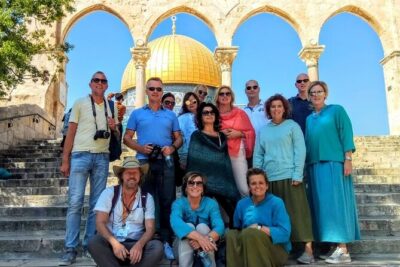
- The group can reach 40 people, so expect a shared experience rather than a private walk.
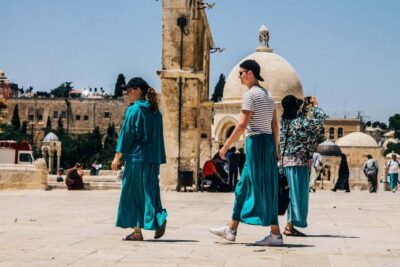
- Modest clothing and good shoes are essential for the holy sites and uneven streets.
Why the 10:00 am start changes the day
A late start is the clearest selling point. Jerusalem sightseeing often begins early, especially when a full day includes both the city center and Mount Zion. Here, you meet at the Grand Court Hotel on St George Street at 10:00 am, giving you a more forgiving morning.
That timing suits you if you dislike rushed breakfasts or are staying in Jerusalem for several days and want one easy day of organized sightseeing. It also works well if you arrive in the city late the previous day. The trade-off is simple: you gain sleep, but the afternoon and early evening schedule has to carry a lot of ground.
The tour ends at Giv’at Hamivtar Light Rail Station, or at one of Jerusalem’s light rail stations. That is useful for continuing independently, though it is not hotel drop-off. You should plan your return from the ending station before setting out.
The group is capped at 40 people. That is not a small walking party, but it is still manageable if the guide uses a clear meeting point and gives firm instructions. The supplied guide information points to a real strength here. Yoav Malachi is praised for organization and passionate explanations, Hava for her humor and tour management, Eitan Amitai for being attentive and respectful, and Avi for friendly, informative guiding.
Guides can change, so you should not book expecting one named person. Still, the repeated praise for organization and respect is important. Jerusalem’s holy places require more than a list of dates and names. A guide who explains several religious traditions without turning the visit into a sermon can make the day far more useful.
More walks through the Old City:
- Jerusalem: Guided Walking Tour of the Old City
★ 4.7 · 386 reviews - Best seller! Jerusalem old city four quarters tour
★ 5.0 · 123 reviews - Private Tour Jerusalem Old City
★ 5.0 · 118 reviews
Mount Scopus gives you the right opening view
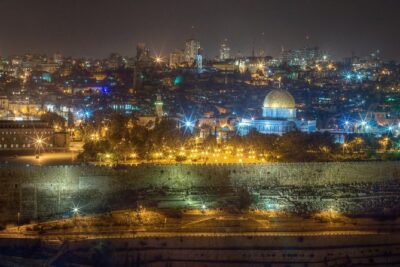
The first stop is Mount Scopus, with about 30 minutes to look across Jerusalem. This is a smart beginning because you see the city as a whole before entering its dense, walled center.
The view helps you understand Jerusalem’s shape and position. After this, the Old City’s alleys can feel confusing, especially when you move between the Jewish and Christian quarters. From above, you get a basic sense of the city before the close-up work begins.
There is no admission fee listed for the stop. The time is short, so think of Mount Scopus as an orientation point rather than a full visit. You will have a chance to take in the view and listen to the guide, but this is not the place for a long, quiet pause.
Gethsemane adds a quieter moment
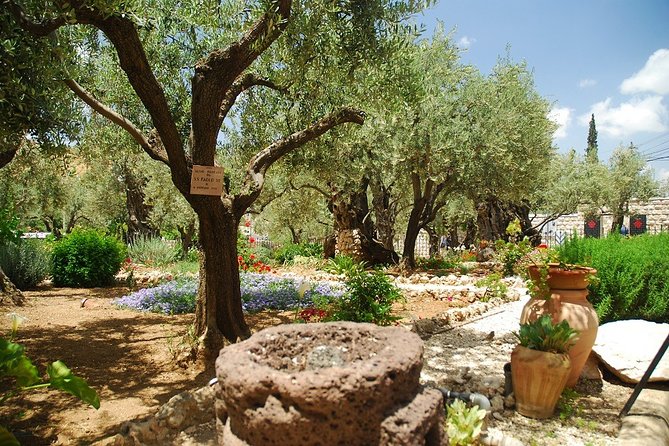
The Garden of Gethsemane follows, with roughly 20 minutes on site. Its importance comes from its place in Christian tradition, and the stop gives the day a calmer interval before the longer walk through the Old City.
Twenty minutes is enough for an introduction and a look around, but not for extensive independent exploration. The overall tour is designed to connect major places, not to offer long stays at each one.
You should also remember that this is a religious site. The dress rule is modest clothing with covered shoulders and knees. That standard applies to the holy places throughout the day, so it is easier to dress appropriately from the start rather than adjust later.
Four hours inside the Old City
The Old City receives the largest block of time, about four hours. That makes sense. The walled center is not one single attraction but a collection of quarters, lanes, churches, remains, and places of worship.
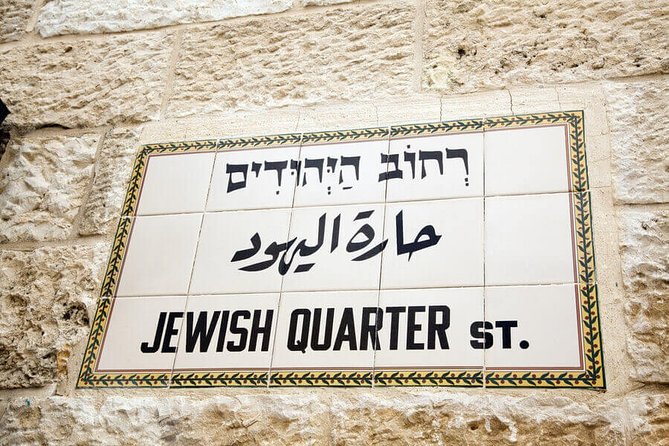
You will walk through the Jewish Quarter and visit the Byzantine Cardo, the Western Wall, parts of the Via Dolorosa, and the Church of the Holy Sepulchre. The order may vary, but the value of the tour is the way these places fit together.
Expect narrow streets, uneven paving, standing, and frequent stops. Comfortable walking shoes are not a minor suggestion here. If you prefer slow photography, long visits inside churches, or time to browse on your own, the fixed schedule may feel restrictive.
The guide’s role is especially useful in this part of Jerusalem. Without context, the Old City can become a blur of stone lanes and sacred buildings. With clear explanations, each quarter begins to feel distinct. The strongest guide comments supplied for this experience focus on clear speaking, organization, humor, and respect for different religions. Those qualities matter when the schedule moves quickly.
A few more Jerusalem half-days to weigh up
- From Tel Aviv: Jerusalem Old & New City Bus Tour
★ 4.2 · 824 reviews - Full Day City Tour of Jerusalem
★ 4.1 · 367 reviews - Old and New Jerusalem Day Trip from Tel Aviv
★ 4.5 · 296 reviews - Old and New Jerusalem Full-Day Tour
★ 4.0 · 273 reviews
The Jewish Quarter and Byzantine Cardo
The Jewish Quarter receives about 30 minutes. It is one of the places where the tour can show you how modern Jerusalem sits on top of much older layers. You will not get a long archaeological visit, but you will have time to see the quarter and hear how it fits into the city’s story.
The Cardo follows for around 20 minutes. This Byzantine-era street is a useful contrast to the religious sites. It reminds you that Jerusalem was also a Roman and Byzantine city, shaped by trade, building, and urban life.
The short timing is both useful and limiting. You can cover more ground, but you may leave wanting extra time. I would treat these stops as a guided introduction, then return independently if one area catches your attention.
The Western Wall requires attention and respect
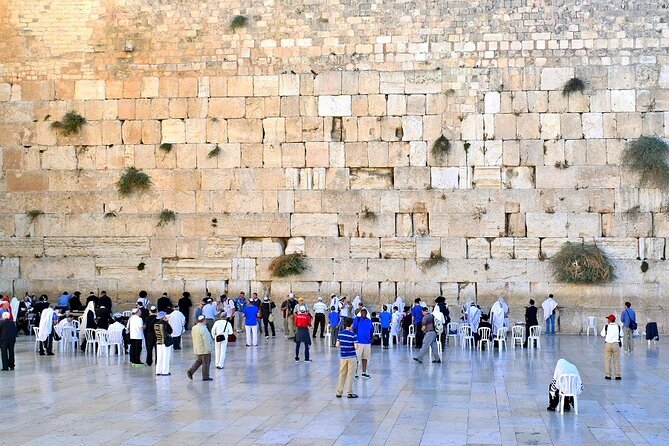
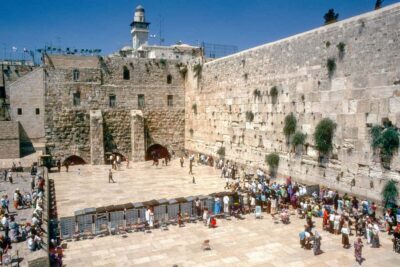
The Western Wall is scheduled for about 20 minutes. This is one of the day’s most important stops, and the visit calls for patience and appropriate behavior.
The wall is a Jewish place of prayer, not simply a photo stop. Your guide can help explain what you are seeing, but you should also follow the site’s expectations and keep your clothing modest. The tour information specifically requires covered knees and shoulders for holy places.
Twenty minutes is enough to reach the wall, observe the setting, and receive an explanation. It may not be enough if you hope to spend a long time in personal prayer or reflection. That is a practical limitation of a group schedule, not a flaw in the site itself.
Walking the Via Dolorosa
The tour includes some Stations of the Cross along the Via Dolorosa, with about 30 minutes set aside. This section takes you through the Christian Quarter and links the street itself with the story of Jesus’s final journey.
The phrase some Stations matters. You should not expect a slow, complete pilgrimage through every station. Instead, the guide introduces selected points as you walk through the Old City.
This is where good commentary makes a real difference. The route can be crowded and visually confusing, and several religious traditions overlap in a small area. A guide who explains the meaning of each stop while keeping the group together is more valuable than a guide who simply points out buildings.
The Church of the Holy Sepulchre
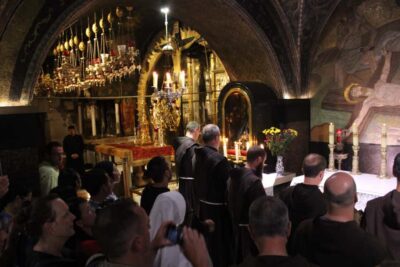
The Church of the Holy Sepulchre receives about 30 minutes. For many Christian visitors, this will be the emotional center of the day. The church is associated with the crucifixion and burial of Jesus, and it contains several important traditional sites within one complex.
The visit is necessarily brief. Thirty minutes gives you an introduction and a chance to see the main areas included by the group, but you may encounter lines or a crowded interior. The schedule cannot promise a quiet visit.
You should approach this stop with realistic expectations. The tour can bring you to a major sacred place and explain its role, but it cannot control the pace inside a working place of worship. The guide’s respectful manner matters here, particularly for anyone who wants religious context rather than a rushed checklist.
Mount Zion connects the day to biblical tradition
After the Old City, the experience moves to Mount Zion. The Cenacle, traditionally identified as the room of the Last Supper, receives about 20 minutes. The site is important in Christian tradition and is often linked with other biblical events.
The short visit lets you see the room and hear the traditional interpretation. The wording traditionally identified is worth keeping in mind. Jerusalem contains many places whose importance comes from long religious tradition, and a good guide should explain that distinction clearly.
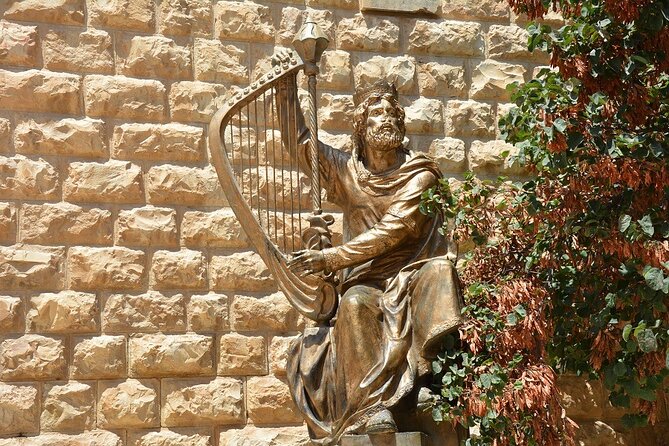
King David’s Tomb follows, also with about 20 minutes. The site is associated with King David and carries importance for Jewish visitors. Together, the Cenacle and the tomb show how Mount Zion brings several traditions into close contact.
This final section is valuable because it broadens the day beyond the Old City’s main lanes. It also reinforces the need for respectful dress and behavior. You are moving between sites important to different faiths, so sensitivity is part of the experience.
Is $70 a fair price?
At $70 per person, the tour offers a solid package if you want transport between areas, a professional guide, and a full day of organized sightseeing. The listed admission fees are included, and an air-conditioned vehicle helps with the longer movements between Mount Scopus, the Old City, and Mount Zion.
The strongest value is time management. You could visit many of these sites independently, but you would need to plan the route, understand the religious context, and manage transport yourself. The tour saves you that work.
The price is less compelling if you are already comfortable navigating Jerusalem and want to spend half a day at only one or two sites. You are paying for a broad introduction, not a slow specialist tour.
Food and drinks are not included. Hotel pickup and drop-off are also not included, so budget for getting to St George Street before 10:00 am and arranging your route after the tour ends. The central meeting point is near public transport, which keeps that part fairly simple.
Who will enjoy this day most?
I would recommend this experience to a first-time visitor who wants a clear introduction to Jerusalem’s main religious and historic locations. It also suits you if you have only one full day available or prefer a guide to handle the route.
The tour is a good fit if you appreciate explanation, structure, and a later start. The named guides associated with the experience have been praised for being clear, friendly, organized, attentive, and respectful toward different religions. Those are exactly the qualities you want in Jerusalem.
It is less suited to you if you need a slow pace, dislike groups, or want to choose every stop yourself. A group of up to 40 can also make it harder to hear or move quickly through tight streets. Children under four cannot join, and anyone with mobility concerns should note the reasonable amount of walking.
The pickup communication deserves care. One person reported not being collected at the hotel and described poor follow-up. The company response apologized and said the matter would be checked. Since hotel pickup is not included in the stated arrangement, you should rely on the confirmed meeting point, arrive early, and identify the designated vehicle or group clearly.
What to wear and bring
Wear shoes you can comfortably use for several hours. The Old City includes narrow streets and uneven surfaces, while the number of stops means you will spend plenty of time on your feet.
Choose clothing that covers your shoulders and knees. This is obligatory at the holy sites, and it is easier to meet the rule all day than to carry a last-minute cover-up.
Bring water and plan to buy or carry food, since meals and drinks are not included. Keep your booking confirmation available on your phone because the ticket is mobile.
Should you book this Jerusalem tour?
Book it if you want the major Jerusalem highlights in one organized day, value a 10:00 am start, and prefer a guide to explain the religious and historic setting. At $70, the combination of transport, guiding, and included entrance fees is reasonable for a first visit.
Skip it if you want long, quiet time at the Western Wall or Church of the Holy Sepulchre, or if you prefer exploring the Old City at your own speed. The tour is broad rather than leisurely.
My practical verdict: this is a useful first look at Jerusalem, especially when your time is limited. Wear modest clothing, bring good shoes, accept the busy pace, and treat the day as an informed introduction rather than the final word on the city.
FAQ
What time does the tour start?
The tour starts at 10:00 am.
Where does the tour begin?
It begins at the Grand Court Hotel Jerusalem, 15 St George Street, Jerusalem.
Where does the tour end?
It ends at Giv’at Hamivtar Light Rail Station, or at one of the light rail stations in Jerusalem.
How long does the tour last?
The experience lasts approximately seven to eight hours.
How many people can join the tour?
The maximum group size is 40 people.
Is hotel pickup and drop-off included?
No. Hotel pickup and drop-off are not included.
Is transportation provided during the tour?
Yes. An air-conditioned vehicle is included.
What sites are visited?
The route includes Mount Scopus, the Garden of Gethsemane, the Old City, the Jewish Quarter, the Byzantine Cardo, the Western Wall, parts of the Via Dolorosa, the Church of the Holy Sepulchre, the Cenacle, and King David’s Tomb.
What should I wear?
Modest dress is required at the holy sites, with covered knees and shoulders.
Is the tour suitable for young children?
The tour is not suitable for children under four years old.
Just added around Jerusalem
- Tel Aviv & Old City of Jaffa – Tiny group from Tel Aviv★ 4.5 · 9 reviews
- Tel Aviv; Jaffa Old City, Port & Shuk Hapishpishim Walking Tour★ 4.5 · 11 reviews
- Discover the Secrets of the Underground Jerusalem with a private tour★ 5.0 · 4 reviews
- Private Tour from Tel Aviv to Jerusalem★ 5.0 · 3 reviews
- Private Tour : Jerusalem Old City Day Trip from Tel Aviv★ 5.0 · 19 reviews
- Luxury Private Tour to Jerusalem from Tel Aviv★ 5.0 · 22 reviews
- Tel Aviv Airport (TLV) to Jerusalem Hotels – Private Transfer★ 4.0 · 19 reviews
- Palm Sunday in Jerusalem: Mass at Bethpage and Via Dolorosa Procession with Transport from Tel Aviv★ 5.0 · 3 reviews
Jerusalem Old City Tours, compared.
City of David and Underground Jerusalem Day Tour
Read our review →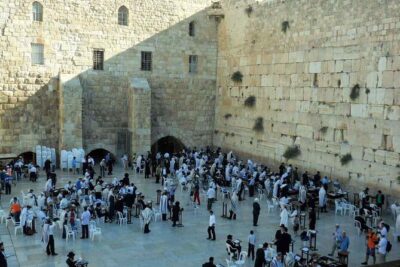
Browse the lists this tour appears in