
Reviewed · JERUSALEM OLD CITY TOURS
From Tel Aviv: Jerusalem Old City & Dead Sea Guided Day Tour
Jerusalem’s Old City and the Dead Sea make an ambitious pair for one day. This tour gives you the big sacred sights, sweeping views from the Mount of Olives, and time to float in mineral-rich water before returning to Tel Aviv. I especially like the hotel pickup and the way a strong guide, such as Liat, Ezer, Sigal, or Lorne, can turn a crowded route into a clear story.
I also like the useful mix of walking, history, and scenery. You see the Western Wall, Via Dolorosa, the Church of the Holy Sepulcher, the Cardo, and the Judean Hills without arranging several transfers yourself. The trade-off is pace: you may want more free time in Jerusalem, and the prearranged shop and restaurant stops can feel commercial.
Key points at a glance
- Mount of Olives first: Begin with a broad view of Jerusalem’s old and new sections before walking into the Old City.
- A dense Old City route: Follow the Armenian Quarter, bazaar, Christian Quarter, Via Dolorosa, Western Wall, Cardo, and Jewish Quarter.
- The Church of the Holy Sepulcher: Allow for crowds and possible lines, especially on major religious feast days.
- The Dead Sea finish: Float, swim, or use mineral mud at a shore facility after the Jerusalem walking tour.
- Qumran from the road: You get a roadside view of the caves linked with the discovery of the Dead Sea Scrolls, not a full site visit.
- A long but efficient day: The 10-hour schedule works best if you want a first look at both places and accept limited independent exploring.
Why this day works from Tel Aviv

Jerusalem and the Dead Sea are two of Israel’s most important stops, but they are not simple to combine by local transport in one day. This organized coach trip removes the route planning, hotel transfer questions, and parking problems. You spend the morning with Jerusalem’s sacred center and the afternoon near the lowest point on Earth.
The price is $133 per person. That is fair if you value door-to-door transport, a professional guide, an air-conditioned coach, and the Dead Sea entrance fee. Food and drinks are extra, and the day includes commercial stops that you may not choose for yourself.
The format suits you best if you have only a short stay in Israel. It is less suitable if you want long museum visits, quiet time in the Old City, or a slow afternoon beside the water. Think of it as a well-packed introduction, not a relaxed study of Jerusalem.
More walks through the Old City:
- Jerusalem: Guided Walking Tour of the Old City
★ 4.7 · 386 reviews - Best seller! Jerusalem old city four quarters tour
★ 5.0 · 123 reviews - Private Tour Jerusalem Old City
★ 5.0 · 118 reviews
The morning ride through the Judean Hills
Pickup is included from your accommodation in Tel Aviv. The supplier sends the final pickup time and hotel details by email, so read that message carefully and contact the company if it does not arrive.
The coach drive takes you toward Jerusalem through the Judean Hills. The road itself gives the day a useful sense of place as the urban coast gives way to dry hills and the approach to Jerusalem. The coach is air-conditioned, an important comfort during hot weather and after several hours on foot.
The full trip lasts about 10 hours. That sounds generous, but the route covers two major destinations, so the schedule is carefully managed. Guides such as Moti, Itamar, Michael Altshuler, and Zahi have been praised for keeping large groups moving while adding stories and context. Your exact guide depends on the departure.
Mount of Olives: Jerusalem from above
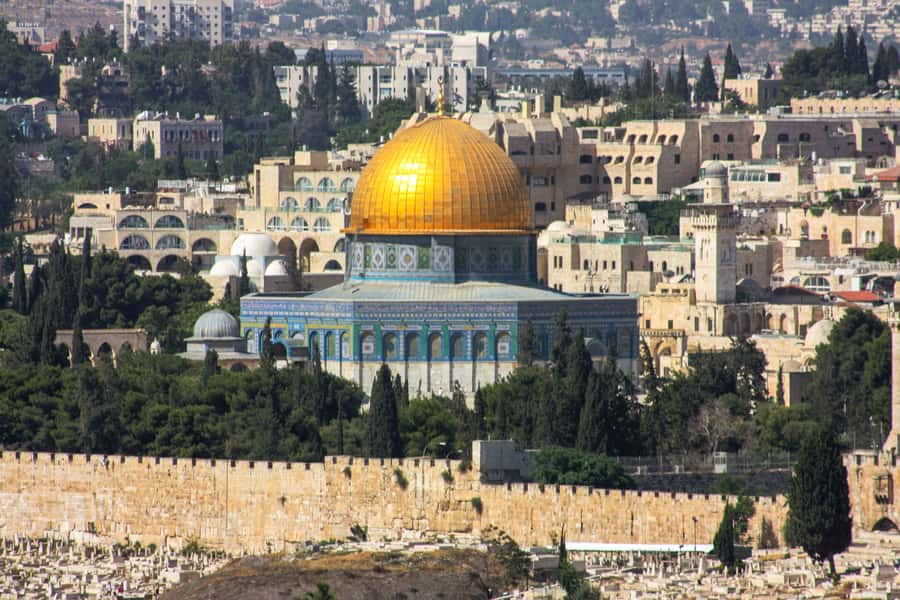
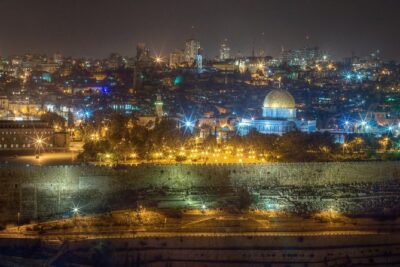
Your first major stop is the Mount of Olives, one of Jerusalem’s highest points. From here, you get a panoramic view toward the Old City, its walls, and the newer parts of Jerusalem.
This is a smart opening stop. Jerusalem can feel confusing at street level, with religious sites and narrow lanes packed into a small area. From above, you can see how the Old City sits within the wider setting and better understand the route ahead.
Take your hat out here and keep your camera ready. The stop is more about orientation and views than detailed exploration, so do not expect a long, quiet walk across the mountaintop.
Down the Kidron Valley to Gethsemane
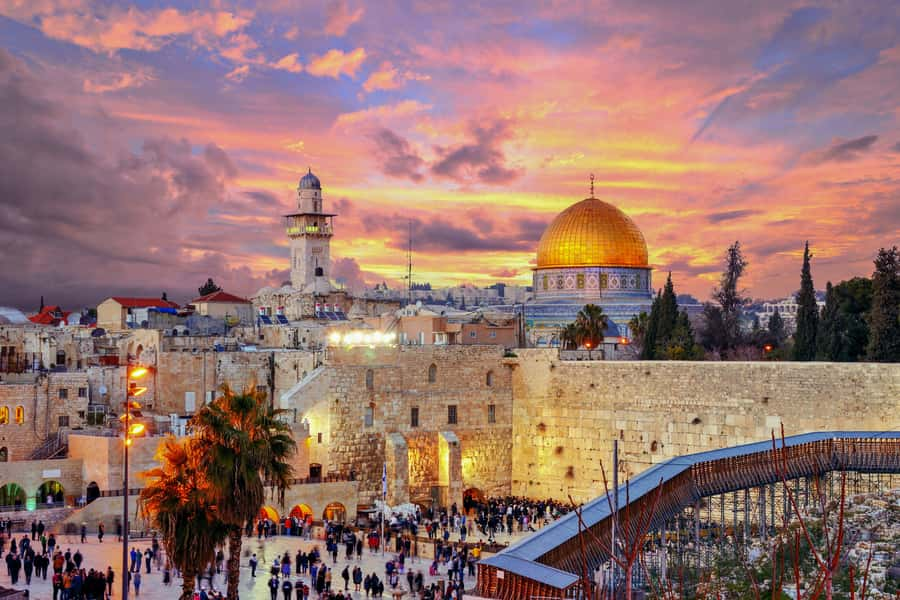
The route continues along the Kidron Valley toward the Garden of Gethsemane and the walls of the Old City. The garden is linked with the final hours of Jesus, making it an important Christian pilgrimage site.
This part of the itinerary also helps connect the modern city, the valley, the ancient walls, and the Old City into one readable route. Your guide provides the religious and historical background, with the strongest guides adding personal stories and explanations rather than simply naming each location.
The walk begins to matter here. Comfortable shoes are essential, since the day includes uneven streets, stone paving, steps, and plenty of standing. The tour is not suitable for wheelchair users or people with mobility impairments.
A few more Tel Aviv half-days to weigh up
- From Tel Aviv: Masada & Dead Sea Full Day Tour with Pick Up
★ 4.5 · 1,496 reviews - Masada and the Dead Sea Day Trip from Tel Aviv
★ 4.5 · 1,014 reviews - Tel Aviv: Jerusalem, Bethlehem & Dead Sea
★ 4.0 · 881 reviews - From Jerusalem: Masada & Dead Sea Full Day Tour with Pick Up
★ 4.5 · 815 reviews
Entering the Old City through the Armenian Quarter
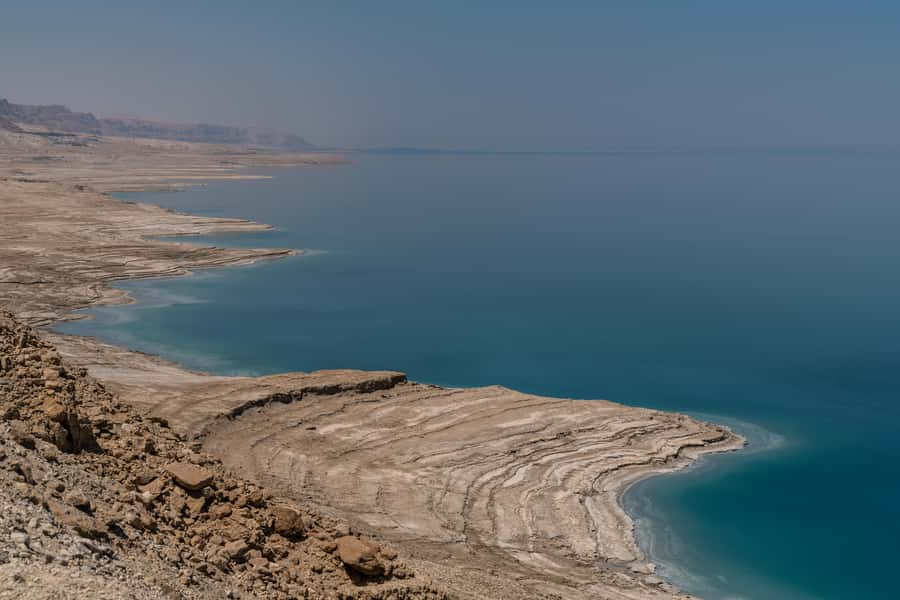
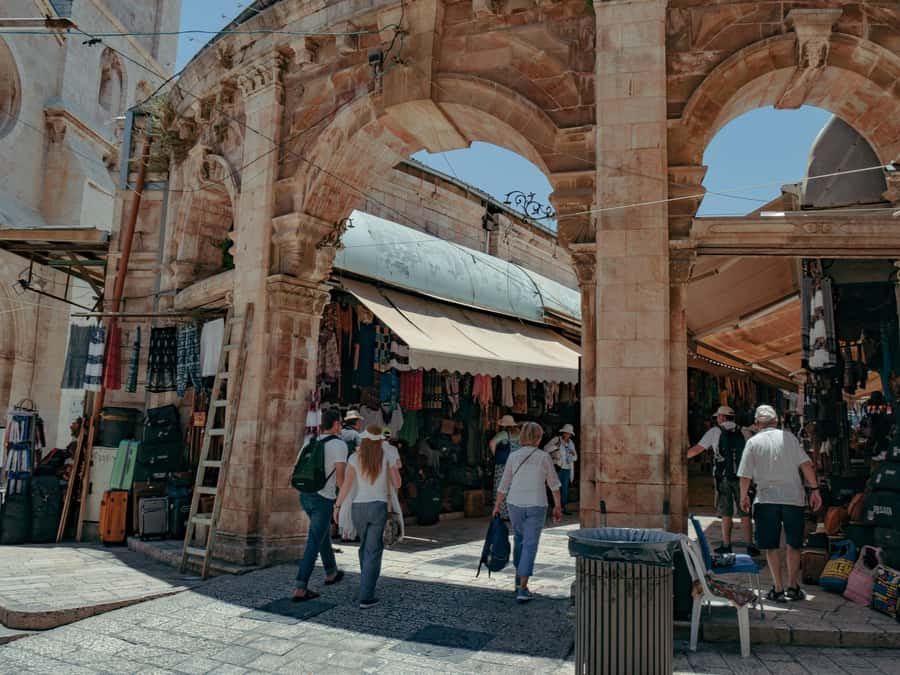
The Old City portion moves through the Armenian Quarter toward the Western Wall Square. You then pass through the bazaar into the Christian Quarter.
This route gives you a quick look at several distinct parts of Jerusalem rather than keeping you in one monument. The Armenian Quarter has its own identity, while the market streets bring you into the commercial heart of the Old City. You will see shops selling souvenirs and religious goods along the way.
Here is where the tour’s tight timing becomes clear. Some departures include a stop at a selected shop, with a sales presentation and prices in US dollars. I would treat it as optional shopping time, not a required part of your Jerusalem experience. If you prefer local browsing, use any free minutes to compare prices elsewhere in the market.
The Western Wall and the sacred center
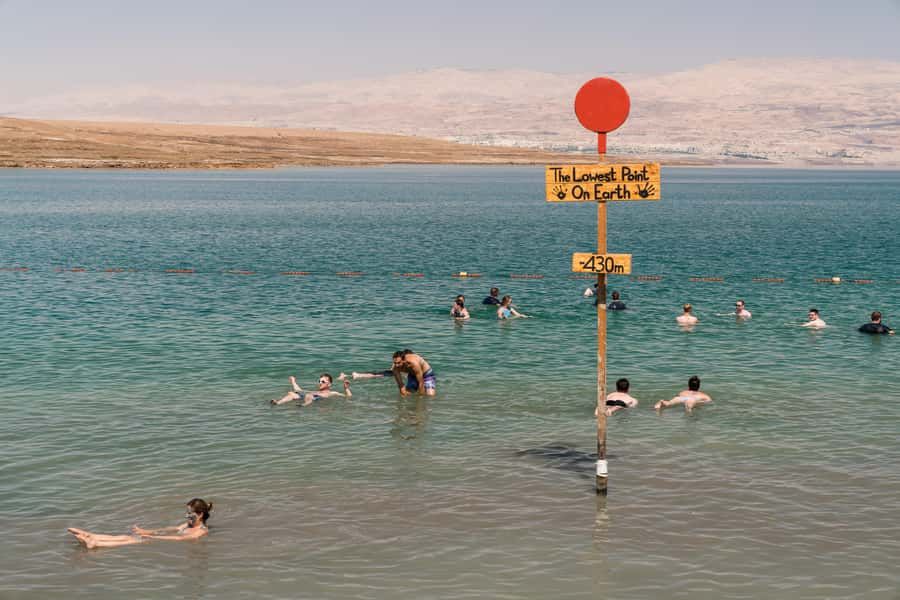
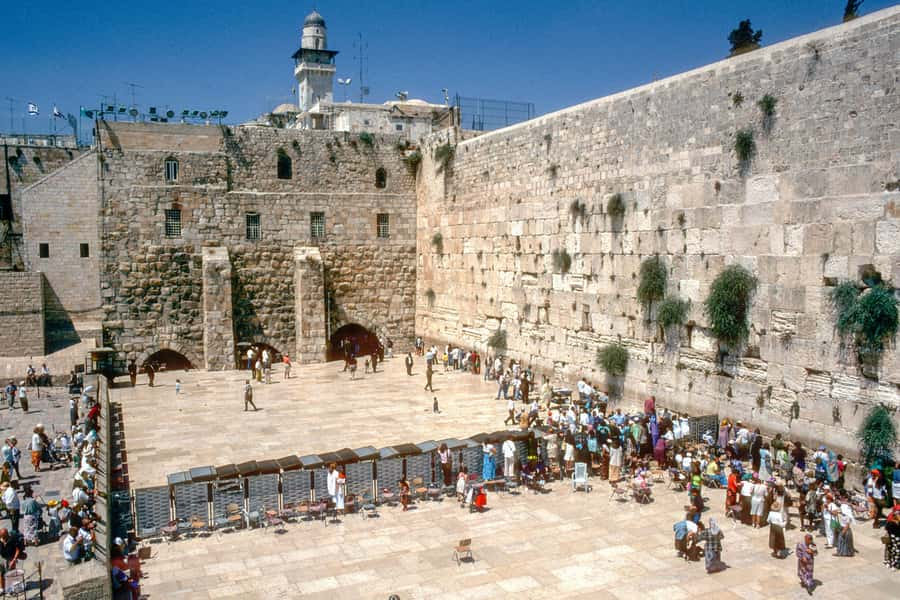
The Western Wall is one of the most important Jewish holy sites in Jerusalem. You enter the square and have a chance to see the prayer area before continuing through the Old City.
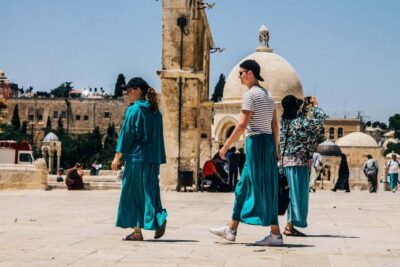
Dress modestly for the religious sites. Bring clothing that covers shoulders and knees, and follow instructions about the separate prayer areas. The wall is not simply a photo stop. Give yourself a moment to watch the prayers, notes placed in the stones, and the steady movement of people arriving for worship.
The schedule may not offer the long, reflective pause you would have on an independent visit. Still, a guide gives you context and helps you understand why this section of the Old City matters to several faiths.
Via Dolorosa and the Church of the Holy Sepulcher
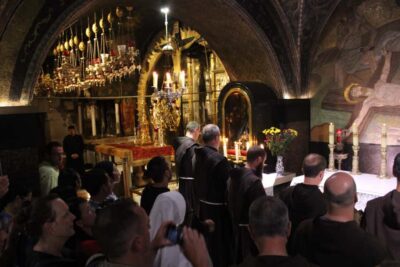
The route follows sections of the Via Dolorosa, associated with the Stations of the Cross, and reaches the Church of the Holy Sepulcher. The church marks the traditional site of Jesus’ crucifixion and burial, making it the emotional center of the Christian portion of the walk.
Inside, the setting can be crowded and intense. The church is shared by several Christian communities, and lines can build quickly. On a religious celebration day, waiting to enter the Aedicule, the small shrine associated with Jesus’ tomb, can take much longer than expected.
The planned stop may feel short if you want to study every chapel and shrine. Some departures give roughly 40 minutes inside, which is enough for an introduction but not a leisurely visit. Keep your expectations realistic, and stay close to your guide because the lanes and crowds make it easy to lose sight of the group.
The Cardo and the renovated Jewish Quarter
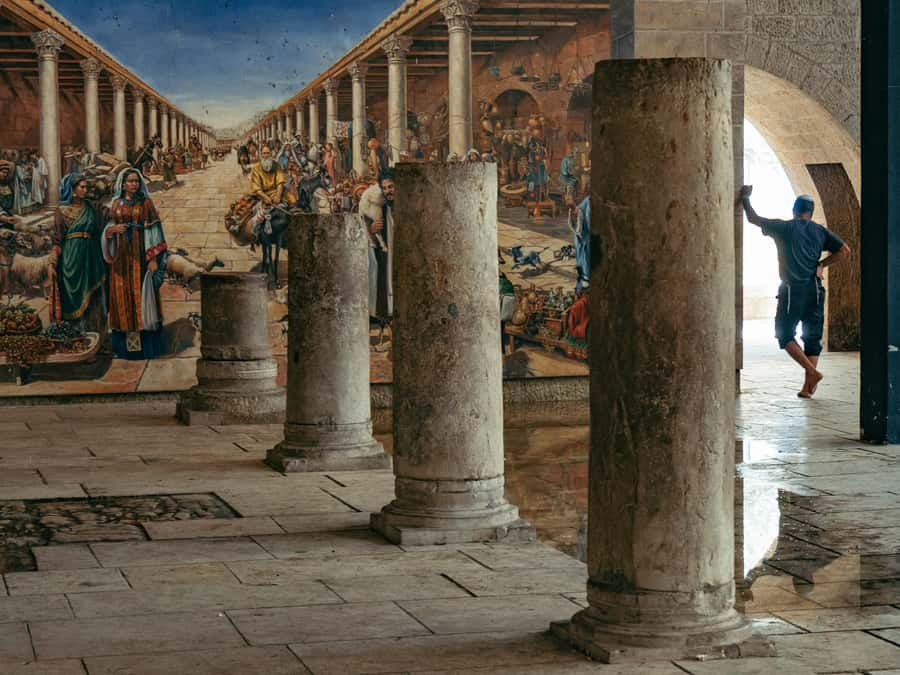
The itinerary continues along the Cardo, the old Byzantine main street and Roman road. Parts of the route have been restored, allowing you to see how Jerusalem’s commercial center once worked.
You also pass through the renovated Jewish Quarter. This adds a different layer to the Old City after the religious focus of the Western Wall and Church of the Holy Sepulcher. The value here is not one single dramatic monument. It is the chance to see how the city’s quarters, roads, markets, and sacred spaces fit together.
The guide-led walk gives you more background than you would get by simply wandering for an hour. The downside is that you have limited time to stop for independent shopping, coffee, or a second look at a favorite site.
Lunch and the shop stop
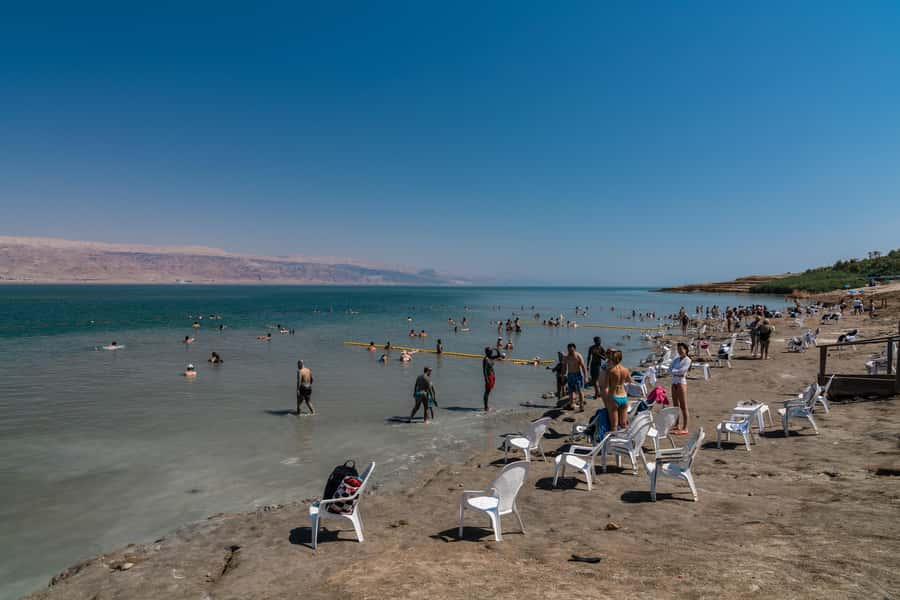
Food is not included. A restaurant stop is part of the day’s practical rhythm, but the chosen restaurant may not suit every budget or taste. Prices can feel high, and one dining stop has drawn criticism for offering mediocre food at tourist-oriented prices.
You can use the available break to choose another nearby place if the schedule allows. One useful detail from past departures is that the planned stop may leave enough time to find a different restaurant or browse other shops, but you must watch the meeting time closely.
The same advice applies to the selected Christian Quarter shop. Compare prices before buying religious items, jewelry, or souvenirs. The sales pitch may suggest a special bargain, but that does not mean it is the best price in the market.
The road to the Dead Sea and Qumran
After Jerusalem, the coach descends through the Judean Hills toward the Dead Sea. This part of the drive is without a guide, so you should not expect a running explanation of every view.
You do get a roadside view of the Qumran Caves, associated with the discovery of the Dead Sea Scrolls. It is a useful glimpse connected to one of the region’s major archaeological stories, but it is not a full Qumran visit. If seeing the caves up close is a top priority, this itinerary will not provide enough time.
The drive also changes the mood of the day. Jerusalem is crowded, layered, and highly symbolic. The Dead Sea section is simpler: change clothes, follow the safety instructions, and enjoy the water.
Floating at the Dead Sea
The entrance fee to the Dead Sea is included. At the shore, you can float, swim, or apply mineral mud. The water’s high salt content makes floating easy, though you should avoid getting it in your eyes or on cuts.
Bring a bathing suit, towel, hat, and comfortable shoes. The shore can be stony, and one reported departure found the facilities and showers poorly maintained. Conditions may vary, but you should not picture a polished spa resort. This is a practical bathing stop, and the quality of the changing and shower areas may be the weakest part of the day.
The water can remain warm even in winter. One December visit found it comfortable enough for swimming, and another January departure also noted warm water. Summer heat, however, can make the stop tiring after a full morning of walking, so drink water before and after entering the sea.
Do not shave immediately before the visit, since salt water can sting small cuts. That tip is practical rather than glamorous, but it can make the difference between enjoying the stop and rushing back to the coach.
Guides, group rhythm, and language options
The guide is central to this experience. The strongest guides have included Liat, Ezer, Sigal, Lorne, Moti, Itamar, Ami, and Zahi, each praised for clear explanations, humor, organization, or genuine care with the group. Your guide may be someone else, but the company operates in English, German, French, and Spanish.
A good guide also helps with the practical side of sacred places: where to stand, how to dress, when to regroup, and how to keep moving through crowded lanes. One past guide even helped visitors from another group who had become lost, a small example of the kind of attentiveness that can matter in Jerusalem.
Large-group touring requires discipline from you, too. Listen for the meeting time, keep sight of the guide, and do not wander far during free moments. A flag or clear meeting point would help, and some past participants found it easy to lose the group.
Who should book this tour
I would choose this tour if you have one free day from Tel Aviv and want to see the main Christian and Jewish sights in Jerusalem before adding the Dead Sea. It is especially useful for first-time visitors who want history explained as they walk.
It also works well for a Saturday visit, when independent transport options may be limited. Hotel pickup and drop-off save time, and the coach lets you cover ground that would be awkward to manage on your own.
I would choose a different plan if you want to visit Al-Aqsa Mosque and the Dome of the Rock. They are not included. I would also look elsewhere if your priority is a slow market stroll, a long church visit, or a carefully chosen Dead Sea spa.
The free cancellation window is 24 hours before departure, and you can reserve now and pay later. That makes the booking less rigid, but the key decision is still the pace.
Should you book it?
Book this tour if you want a practical first look at Jerusalem and the Dead Sea in one long day. The best parts are the Mount of Olives view, the concentrated Old City route, and the unmistakable experience of floating in the Dead Sea.
Go in expecting a schedule, not a private exploration. Bring modest clothing, good shoes, sun protection, a bathing suit, and patience for crowds, shop stops, and basic facilities. At $133, it offers solid value for transport, guiding, and access to two major destinations, as long as you accept that convenience comes with less freedom.
FAQ
How long does the tour last?
The tour lasts about 10 hours, including transport from Tel Aviv, the Jerusalem sightseeing route, the drive to the Dead Sea, and the return to Tel Aviv.
Is hotel pickup included?
Yes. Pickup and drop-off at your accommodation are included. The supplier sends the final pickup time and hotel details by email.
Which languages are available?
The tour is offered with live guides in English, German, French, and Spanish.
Is food included?
No. Food and drinks are not included. A restaurant stop is scheduled, but you pay for your own meal.
What should I bring to the Dead Sea?
Bring a bathing suit, towel, hat, and comfortable shoes. Modest clothing is also needed for the holy sites in Jerusalem.
Do I visit the Qumran Caves?
You get a roadside view of the Qumran Caves, where the Dead Sea Scrolls were found. The itinerary does not provide a full visit inside the Qumran site.
Is the tour suitable for wheelchair users or young children?
The tour is not suitable for wheelchair users or people with mobility impairments. Children under four cannot take part.
Just added around Tel Aviv
- Private wine tour of Northern Israel★ 5.0 · 4 reviews
- Package VIP Skip Line Services in BGN Airport with Transfer to Tel aviv Hotels★ 5.0 · 3 reviews
- Israel Holy Land Christian Tour Package 7 days – Private Tour Package★ 5.0 · 31 reviews
- VIP Tel Aviv airport Terminal 3 Fast Track Skip Line From plane★ 4.5 · 9 reviews
- Tel Aviv and Jaffa Most Exciting Private Tour★ 4.5 · 13 reviews
- Food & Drink Private Guided Tour in Tel Aviv★ 5.0 · 3 reviews
- Urban Walking & Food Tour in Tel Aviv★ 5.0 · 7 reviews
- Tel Aviv & Jaffa Urban Bike Expedition★ 5.0 · 33 reviews
Jerusalem Old City Tours, compared.
City of David and Underground Jerusalem Day Tour
Read our review →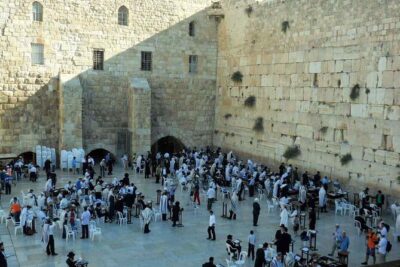
Full-Day Private and Guided Tour of the Jerusalem’s Old City
Read our review →Browse the lists this tour appears in