
Reviewed · MASADA TOURS
From Jerusalem: Masada & Dead Sea Full Day Tour with Pick Up
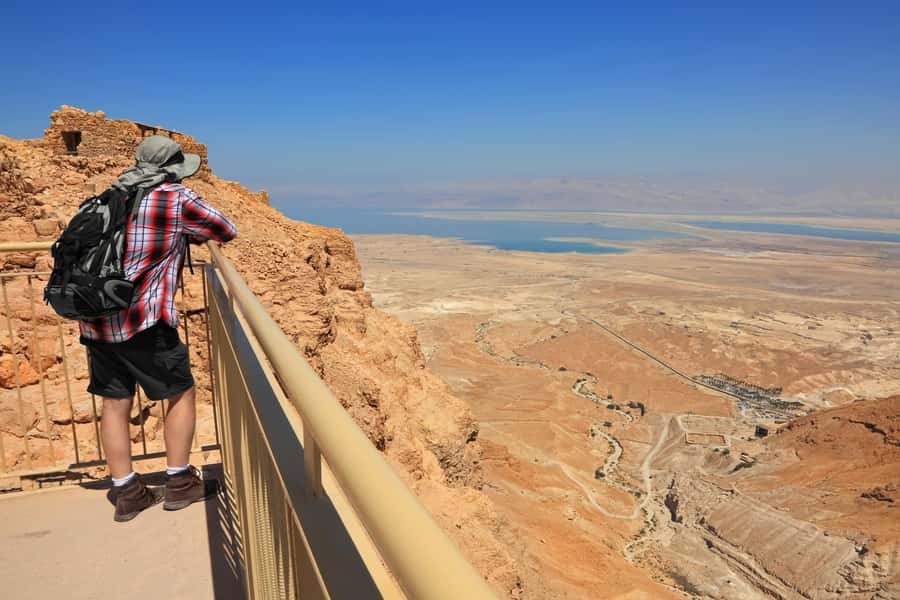
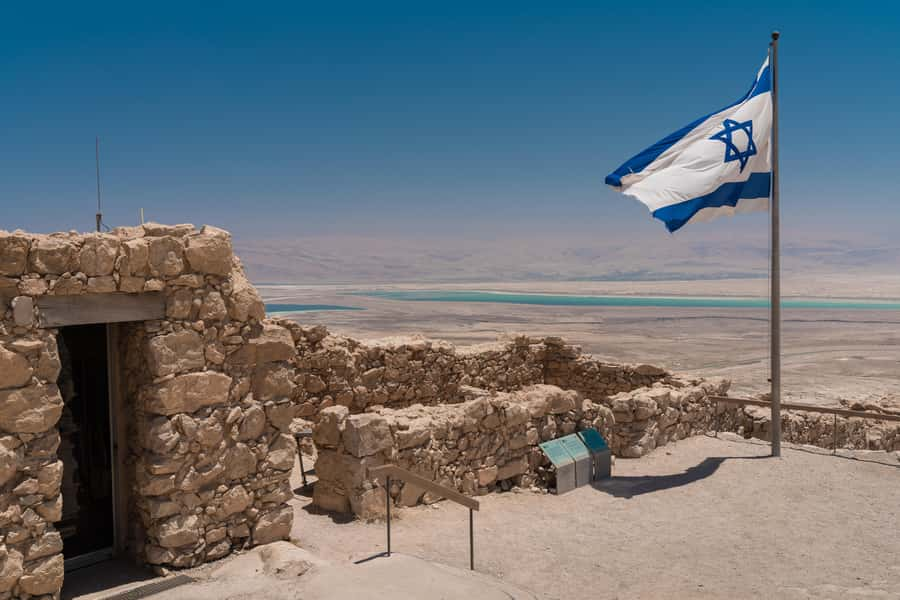
Masada is the star here: a dramatic mountaintop fortress with Roman baths, mosaic floors, huge water cisterns, and views across the Dead Sea and Judean Desert. You reach it by round-trip cable car, so you avoid the steep climb and have more energy for the ruins.
I like two things especially. First, the tour joins two very different experiences, serious ancient history at Masada and easygoing fun at the Dead Sea. Second, the guides often add much more than a script. Daniel, Dorit, Ben, Udi, and others have been praised for clear explanations, humor, and thoughtful discussion of Israeli history and regional geography.
The drawback is the long day. You can spend about 10 hours away from Jerusalem, with a good deal of that time on the coach. Pickup can also run late, so this suits you best if you want convenience and context more than a quick, independent visit.
Key points at a glance
- Masada by cable car: Reach the plateau without the demanding uphill walk, then explore Herod’s palaces, Roman baths, mosaics, synagogue, and water system.
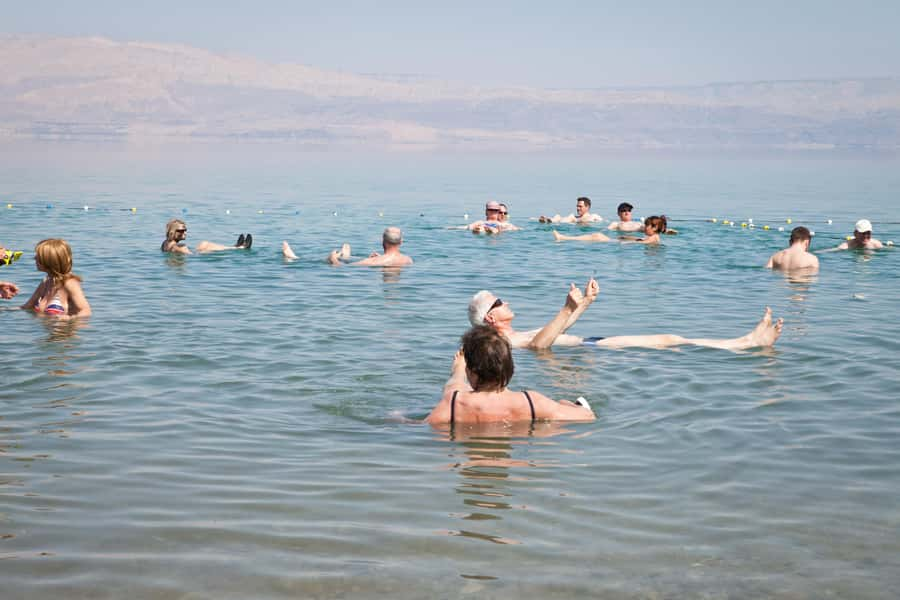
- A real Dead Sea stop: You get entry to the Dead Sea Mineral Beach, time to float, and the chance to cover yourself in natural mud.
- Qumran and the Dead Sea Scrolls: The route takes you to the area associated with the scroll discoveries, with time for lunch and shopping.
- Roadside desert sights: Expect views of the Judean Desert, the Good Samaritan site, the Dead Sea, and the Jordan Rift Valley.
- Strong guide element: Guides including Daniel, Dorit, Ben, Udi, Eli, and others are often praised for history, humor, and clear organization.
- Good value at $111: Masada entry, cable car tickets, Dead Sea entry, transport, pickup, drop-off, and a guide are included. Food and drinks are extra.
Why Masada makes this day worth doing
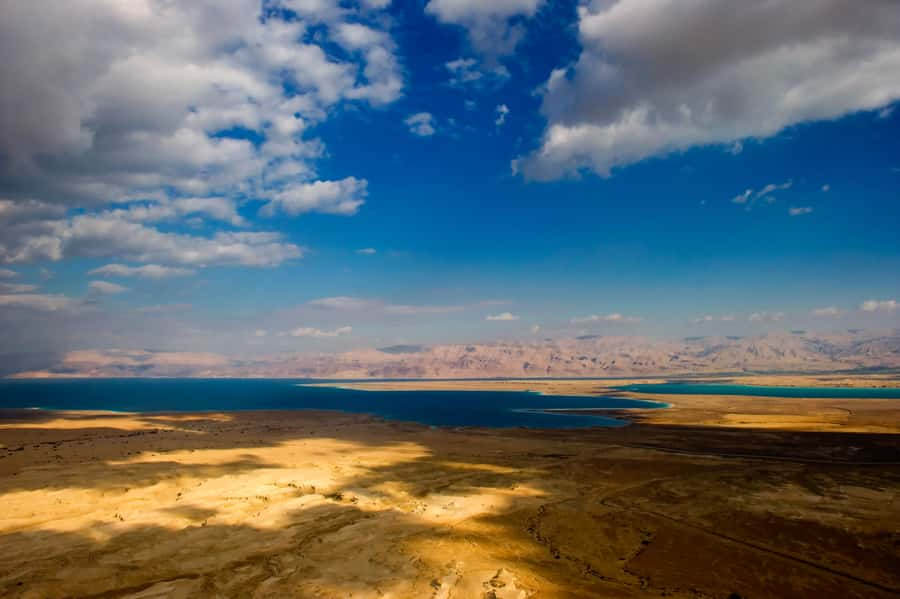
Masada is not simply an old fort on a hill. It is a carefully planned palace complex built by King Herod around 37 BC, later used as a refuge by Jewish rebels during the revolt against Rome. Its location explains much of its power: the plateau rises high above the Dead Sea, with desert on all sides and very few easy approaches.
You ride a cable car up to the summit, around 1,300 feet above sea level. That detail matters. Masada can be hot, exposed, and physically demanding, but the cable car makes the site accessible to people who do not want to spend the morning on a steep path.
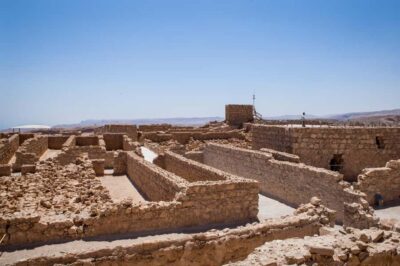
Once on top, your guide leads you through the remains. You can see palace areas, Roman baths, mosaic floors, and an ancient synagogue often described as the oldest in Israel. The water system is one of the most impressive parts. Twelve large cisterns, each said to hold about 140,000 cubic feet, show how Herod’s builders kept a settlement alive in a place with almost no natural water.
The final chapter of Masada’s story is also its most difficult. The fortress became a last refuge for zealots resisting Roman rule, ending in the mass death of the defenders in AD 73. A good guide will give you the facts while also explaining why Masada carries such weight in Jewish history. Guides such as Mischa and Daniel have been praised for handling that subject with care and for connecting the site to wider Israeli history.
You should allow about an hour and a half at Masada, including the cable car and guided visit. That is enough for a solid introduction, though not enough for a slow, solitary study of every ruin. The benefit is that you get a clear route through the main areas without needing to work out the site on your own.
More Full-Day Tours in the Dead Sea
- From Tel Aviv: Masada & Dead Sea Full Day Tour with Pick Up
★ 4.5 · 1,496 reviews - Dead Sea Full-Day Trip from Tel Aviv
★ 4.2 · 65 reviews - From Jerusalem: Old City & Dead Sea Full-Day Tour
★ 3.8 · 11 reviews
The ride south from Jerusalem
The journey begins with pickup from selected Jerusalem hotels or a nearby meeting point. If you stay in an apartment or Airbnb, the operator sends the closest pickup location rather than collecting you at the door. The listed drop-offs include major hotels such as the David Citadel, Ramada, Dan Panorama, Leonardo Plaza, Grand Court, and Dan Boutique.
The first part of the ride takes you from Jerusalem toward the Judean Desert. A coach journey of around an hour is listed before a desert stop, followed by another stretch of driving toward Masada. The road itself is part of the experience. You move from the highlands around Jerusalem into a far drier setting, with broad views and a noticeable change in altitude.
The itinerary includes a photo stop and a short camel ride in the Judean Desert, along with a roadside view of the Good Samaritan site. The Good Samaritan is tied to the parable of Jesus and the Good Samaritan, and the stop gives your guide a chance to explain the religious and geographic setting.
Do not expect a full desert expedition here. This is a short break within a packed day, not a standalone camel excursion. It is useful for stretching your legs, taking pictures, and getting a feel for the region before the main visit to Masada.
Early starts are normal for this sort of day trip. One useful practical point is that the first stop may serve as a coffee break, so you do not need to assume that the coach ride runs without pauses. Pickup times can vary, and one past departure was substantially delayed, so I would avoid scheduling anything important in Jerusalem soon after the advertised return.
Reaching Herod’s fortress by cable car
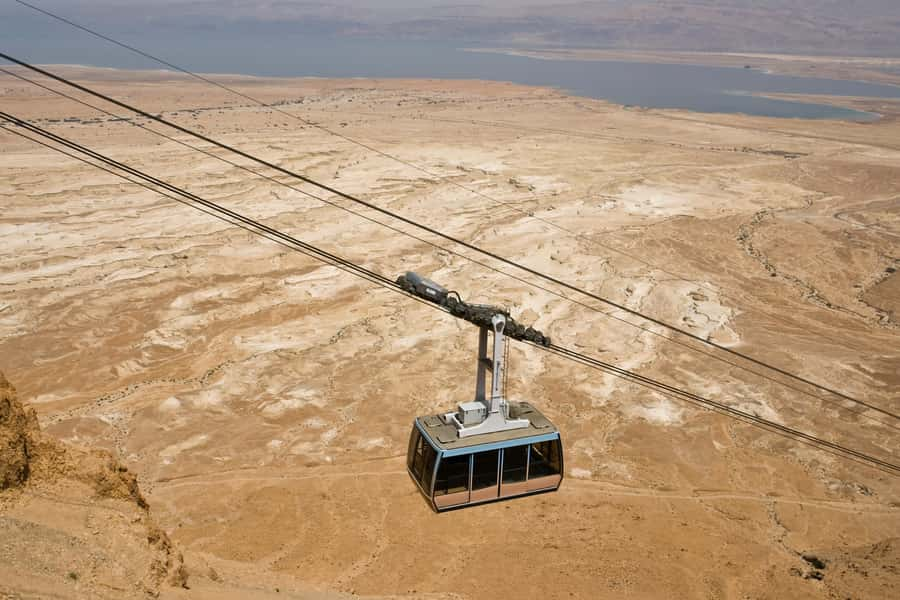
The cable car ride is brief, listed at about 15 minutes, and gives you an aerial view as the plateau rises above the desert. It is included in the price, along with entry to Masada National Park. That makes the $111 cost easier to assess: you are not paying for transport alone.
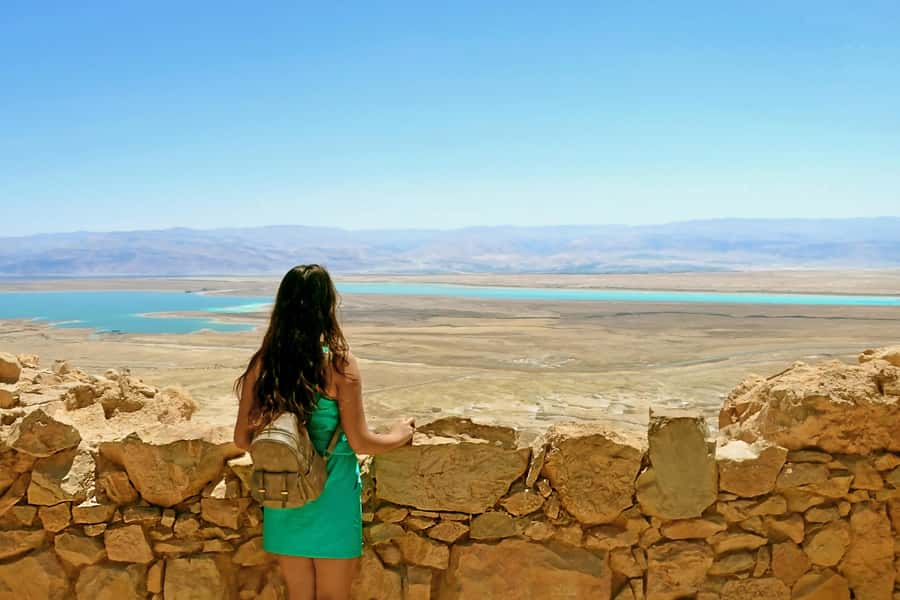
At the top, the setting does much of the work. You look across the Dead Sea and the Judean Desert, with the Rift Valley stretching below. The views are broad and stark rather than lush, and the open setting can feel exposed in strong sun. Bring a hat, sunglasses, water, and comfortable shoes.
The guided portion lasts about 90 minutes. You will hear about Herod’s palace, the Roman occupation, the revolt, and the final stand at the fortress. You can also see remains of living quarters, ceremonial areas, bath facilities, mosaic floors, and the synagogue.
I particularly like the cistern system because it turns Masada from a collection of ruins into a functioning settlement. The palace was not placed on this plateau by accident. Its survival depended on engineering, storage, and careful planning. That is the kind of detail a guide can make visible when the bare stone walls might otherwise blur together.
The site is not wheelchair suitable, according to the activity information. The cable car removes the main climb, but the plateau visit still involves walking over an archaeological site. Children under four are not accepted, and the tour is not designed around very young children.
Qumran, lunch, and the Dead Sea Scrolls
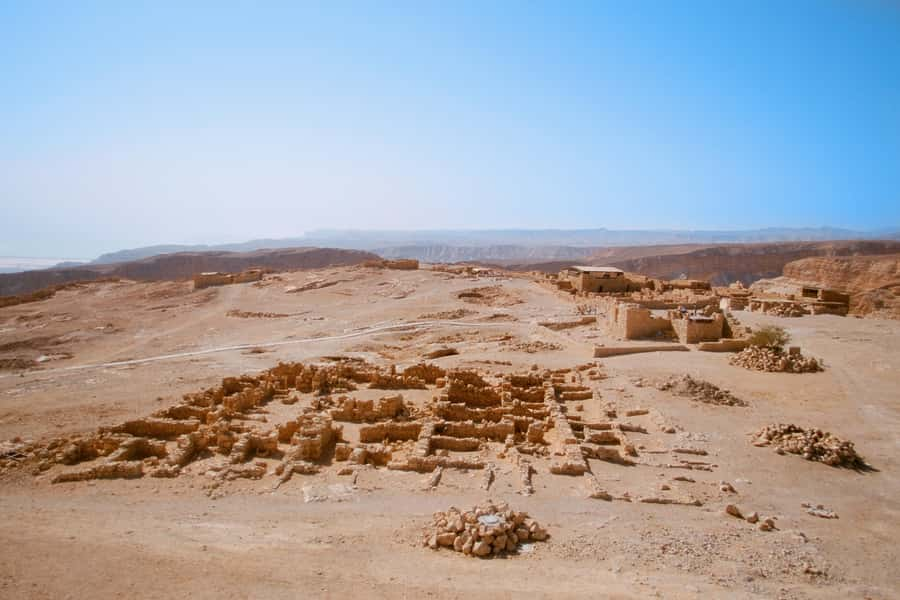
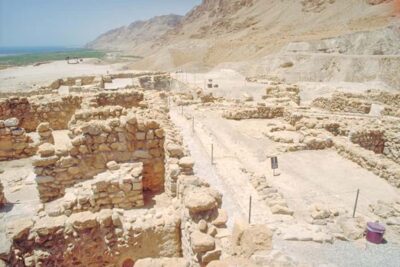
After Masada, the coach continues toward Qumran. The stop is listed at about an hour and includes lunch and shopping. The area is associated with the caves where the Dead Sea Scrolls were discovered, and the route gives you a chance to see the surrounding desert setting rather than treating the scrolls as an abstract museum subject.
It is worth setting expectations carefully. The information describes a Qumran stop and views of the caves, not a long archaeological tour inside the cave system. The value here is the connection between the dry cliffs, the ancient settlement area, and one of the most important manuscript discoveries of the modern era.
Lunch is not included, so budget for food and drinks. The break is useful after the early start and the time in the sun at Masada. Shopping is also part of this stop, which may appeal to you if you want local products, but it can feel less important if your main goal is archaeology.
Some tours use this pause as a reset before the Dead Sea. The day has already included long driving, a cable car, and a major archaeological visit. A meal and a chance to browse can keep the schedule from feeling like one continuous march from one bus stop to the next.
More ways to climb Masada:
- Masada and the Dead Sea Day Trip from Tel Aviv
★ 4.5 · 1,014 reviews - Masada and the Dead Sea Day Trip from Jerusalem
★ 4.5 · 757 reviews - From Tel Aviv: Masada, Ein Gedi & Dead Sea Tour
★ 4.2 · 705 reviews - From Jerusalem: Masada&Dead Sea Tour INCLUDING ENTRANCE FEES
★ 4.3 · 392 reviews
Floating at the Dead Sea Mineral Beach
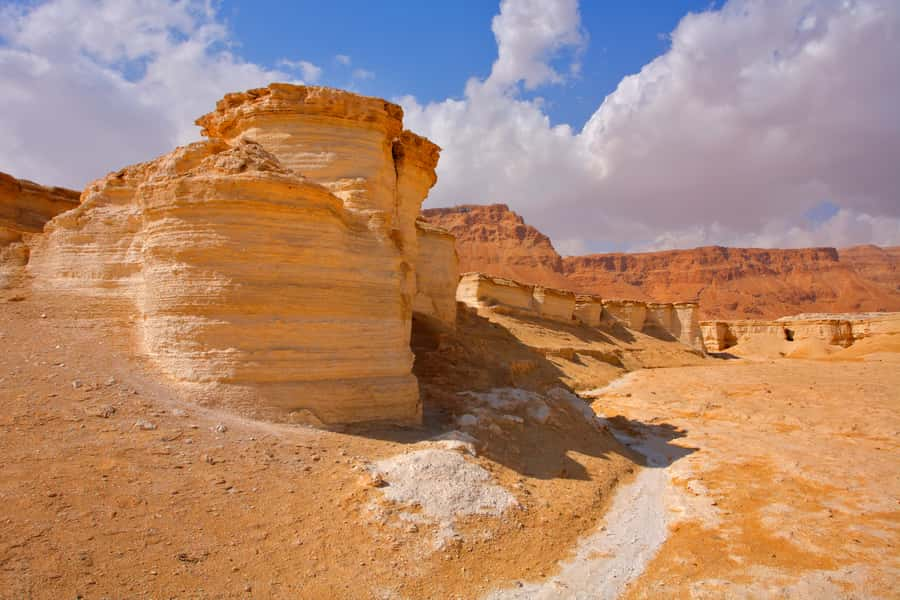
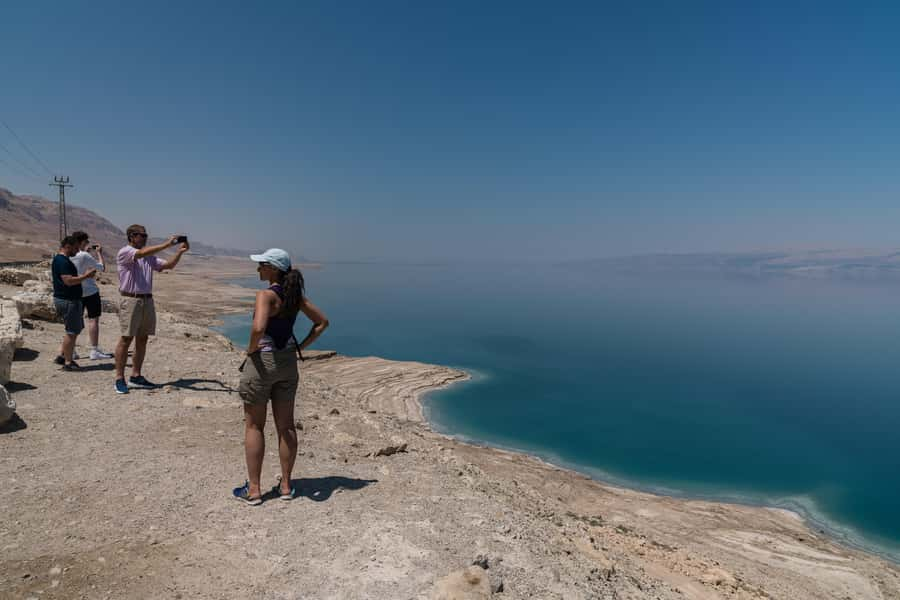
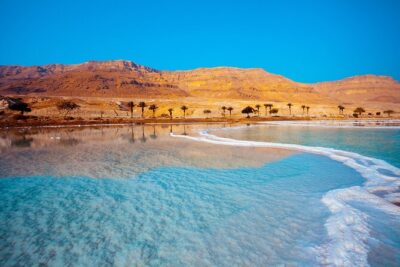
The Dead Sea is the day’s most relaxed stop. At the Mineral Beach, you get about an hour and a half for swimming, floating, and shopping. Entry is included, which is useful because this is a managed beach stop rather than a simple roadside dip.
The water’s salt content makes floating unusually easy. You do not need to swim hard to stay on the surface. The sensation is strange at first, and that is part of the fun. A natural mud bath is also available, giving you the classic Dead Sea experience without requiring a separate excursion.
You must bring swimwear and a towel. Avoid shaving immediately before the visit, and keep the salty water away from your eyes and any cuts, since even a small splash can sting. Those points are practical rather than glamorous, but they can make the difference between enjoying the stop and spending it searching for fresh water.
The one limitation is time. About 90 minutes is enough to float, use the mud, rinse off, and relax, but it is not a full spa afternoon. One account of the tour described the Masada portion as more extensive than the Dead Sea portion, and that is a fair way to view the schedule. This is a Masada-led day with a satisfying Dead Sea finish, not a beach holiday with a short historical detour.
The Dead Sea also gives the day a change of pace. Masada asks you to listen, walk, and take in a complicated past. The beach lets you stop thinking for a while and simply experience the water. That contrast is one of the tour’s best features.
Transport, guides, and the value of $111
The tour uses an air-conditioned coach or van, depending on the departure. Past visitors have described the vehicles as comfortable, and one mentioned built-in USB charging. That is a small but useful feature on a 10-hour day.
The strongest part of the service is often the guide. Daniel has been praised for clear explanations of Masada and Israeli history. Dorit is repeatedly described as informative, friendly, and entertaining. Ben, Udi, Eli, Orion, Yonathan, and others have also been singled out for good communication, humor, and care with the group.
Guide quality matters here because the sites are powerful but not always self-explanatory. At Masada, a wall or bathhouse becomes far more interesting when you understand its purpose. On the road, a guide can connect the Good Samaritan site, the Rift Valley, Qumran, and the Dead Sea to the geography around you.
At $111 per person, the value is solid if you want a guided day. The price includes round-trip transport from Jerusalem, a professional guide, Masada admission, the cable car, and Dead Sea entry. You still pay for lunch and drinks, and shopping is optional.
A self-planned visit might give you more freedom, especially at the Dead Sea. But you would need to arrange transport, buy the Masada and cable car tickets, and organize the route yourself. For a first visit to the region, the convenience and historical explanation justify the cost for many people.
The main tradeoff is flexibility. You follow a set schedule, share the coach, and spend time at stops chosen by the operator. If you prefer to linger at one ruin or spend several hours at the water, an independent trip may suit you better.
Who should book this day trip?
I would choose this tour if you are staying in Jerusalem for a limited time and want the area’s two signature sights in one day. It works especially well for first-time visitors, couples, solo visitors, and anyone who prefers a guide to explain the political, religious, and historical background.
It also suits you if you want Masada without the physical demand of hiking up. Comfortable shoes are still important, but the cable car changes the effort level.
I would think twice if you dislike long coach rides, dislike organized schedules, or want a quiet beach day. The drive is part of the deal, and the Dead Sea stop is a strong finish but not the largest part of the day.
The tour runs in English, Spanish, German, and French. It is not suitable for children under four or wheelchair users. Free cancellation is available up to 24 hours before departure, and you can reserve now and pay later, which is helpful when your Jerusalem plans are still shifting.
Should you book it?
Book this tour if you want one efficient, well-explained day covering Masada, Qumran, and the Dead Sea. The included tickets and transport make the price reasonable, while the cable car keeps Masada manageable.
Choose another plan if you want maximum time in the water, a private guide, or a slower archaeological visit. For most visitors with only one open day from Jerusalem, this is a practical and rewarding combination, provided you accept the early start, long ride, and fixed schedule.
FAQ
How long is the tour?
The tour lasts about 10 hours, including transportation, guided visits, breaks, and the return to Jerusalem.
Does the tour pick me up at my hotel?
Hotel pickup is available with the selected option. If you are staying at an Airbnb or another location without direct pickup, the operator sends the closest meeting point.
What languages are available?
Live guiding is available in English, Spanish, German, and French.
Is the Masada cable car included?
Yes. The round-trip cable car and Masada entry fee are included.
Is admission to the Dead Sea included?
Yes. Entry to the Dead Sea Mineral Beach is included.
Is lunch included?
No. Food and drinks are not included. The Qumran stop includes time for lunch and shopping.
How much time is spent at Masada?
The guided Masada visit is listed at about one and a half hours, in addition to the cable car ride.
How much time do I get at the Dead Sea?
The Dead Sea stop is listed at about one and a half hours for swimming, floating, mud, and shopping.
What should I bring?
Bring comfortable shoes, sunglasses, a sun hat, swimwear, a towel, and your passport.
Is the tour suitable for young children or wheelchair users?
The tour is not suitable for children under four or wheelchair users.
More Full Days Out of Jerusalem
- Full Day City Tour of Jerusalem
★ 4.1 · 367 reviews - Old and New Jerusalem Full-Day Tour
★ 4.0 · 273 reviews - Jerusalem Private Full Day Tour
★ 5.0 · 110 reviews - Jerusalem Full Day Tour INCLUDING ENTRANCE FEES
★ 4.0 · 73 reviews
Just added around Jerusalem
- Tel Aviv & Old City of Jaffa – Tiny group from Tel Aviv★ 4.5 · 9 reviews
- Tel Aviv; Jaffa Old City, Port & Shuk Hapishpishim Walking Tour★ 4.5 · 11 reviews
- Discover the Secrets of the Underground Jerusalem with a private tour★ 5.0 · 4 reviews
- Private Tour : Jerusalem Old City Day Trip from Tel Aviv★ 5.0 · 19 reviews
- Private Tour from Tel Aviv to Jerusalem★ 5.0 · 3 reviews
- Luxury Private Tour to Jerusalem from Tel Aviv★ 5.0 · 22 reviews
- Tel Aviv Airport (TLV) to Jerusalem Hotels – Private Transfer★ 4.0 · 19 reviews
- Palm Sunday in Jerusalem: Mass at Bethpage and Via Dolorosa Procession with Transport from Tel Aviv★ 5.0 · 3 reviews
Masada Tours, compared.
Masada & Dead Sea Full Day Tour with Pick Up
Read our review →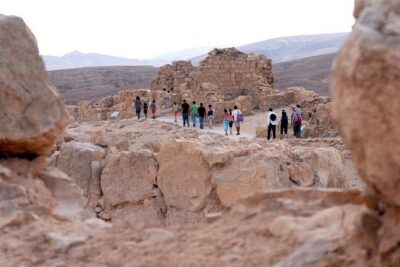
Masada and the Dead Sea Day Trip from Tel Aviv
Read our review →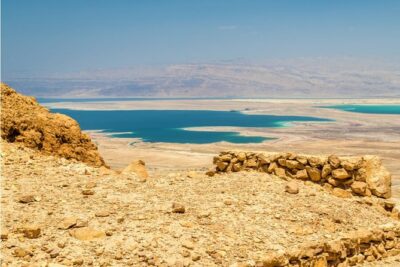
Masada and the Dead Sea Day Trip from Jerusalem
Read our review →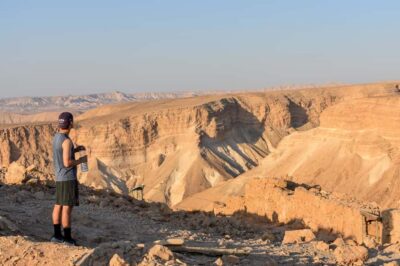
Masada, Ein Gedi, and The Dead Sea from Tel Aviv
Read our review →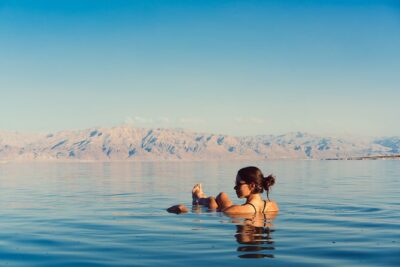
Masada, Ein Gedi and The Dead Sea from Jerusalem
Read our review →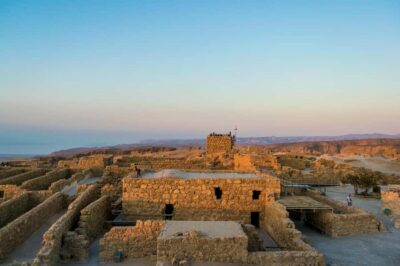
Browse the lists this tour appears in