
Reviewed · JERUSALEM OLD CITY TOURS
From Tel Aviv: Highlights of Jerusalem’s Old City
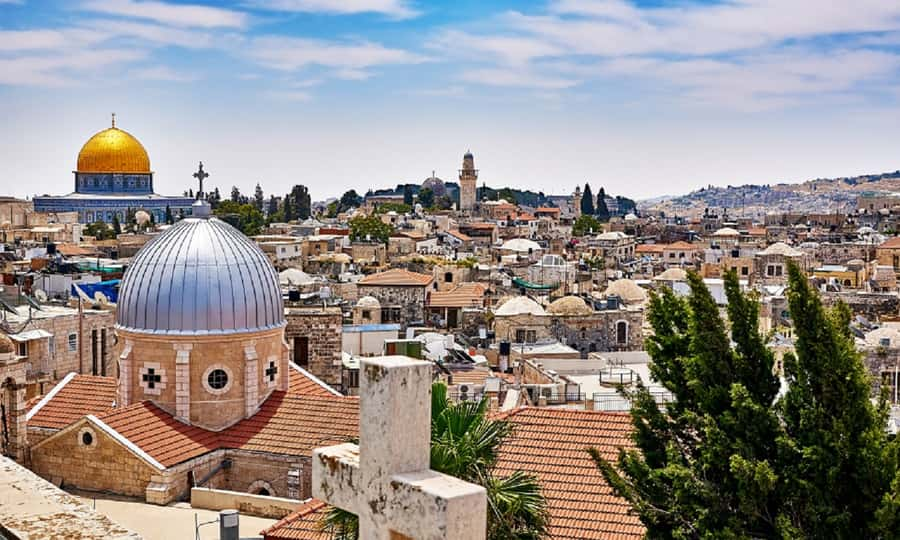
Jerusalem’s Old City packs sacred places, ancient streets, and living neighborhoods into a small area. This full-day outing takes you from Tel Aviv to the city’s key Christian and Jewish sites, beginning with a wide view from Mount Scopus and entering the Old City through historic Zion Gate.
I like the clear route through the Armenian and Jewish quarters, especially the Byzantine Cardo and Western Wall. I also like that transport, entry fees, a guide, and hotel pickup are included. The tradeoff is the pace: fitting the Old City, Gethsemane, the Kidron Valley, and Mount Zion into 10 hours means plenty of walking and limited time in each place.
Key points to know before booking
- Mount Scopus opens the day: Start with a panoramic view that helps you understand Jerusalem’s hills, walls, and clustered neighborhoods.
- The Old City route covers major sites: Walk through the Armenian and Jewish quarters, see the Byzantine Cardo, and reach the Western Wall.
- Christian landmarks come one after another: Follow the Via Dolorosa to the Church of the Holy Sepulchre, then visit Gethsemane and the Church of All Nations.
- Mount Zion adds two important stops: See the Room of the Last Supper and King David’s Tomb, along with the Dormition Church.
- Monday and Thursday itineraries change: On those days, except during Jewish holidays, the tour visits the Holocaust Museum instead of several Mount Zion and Gethsemane sites.
- Dress and stamina matter: Shorts, short skirts, and sleeveless shirts are not permitted, and the tour is not suitable for children under four or wheelchair users.
Why this Jerusalem day trip works well from Tel Aviv
At $94 per person, this is a practical way to reach Jerusalem if you are based in Tel Aviv and want a guided introduction rather than arranging transport and site visits yourself. The price includes an air-conditioned coach, hotel pickup and drop-off, entry fees, and a live guide in English, Spanish, or French.
That bundle matters here. Jerusalem’s Old City is compact, but the day involves several separate areas and religious sites. You will cross between quarters, follow a set walking route, and visit places where timing, access, and modest dress can affect the day. Having transport from Tel Aviv and a guide handling the basic structure saves effort.
I would choose this tour for a first visit when your main goal is to see the famous sites in one day. I would not choose it if you want long, quiet visits inside each church or plenty of free time for shopping. The schedule is built for coverage.
The day lasts about 10 hours. That includes the trip between Tel Aviv and Jerusalem, so this is a full outing rather than a short city visit. You should expect a demanding day with substantial walking on old stone streets and a number of religious stops.
More walks through the Old City:
- From Tel Aviv: Jerusalem Old City & Dead Sea Guided Day Tour
★ 4.4 · 389 reviews - Jerusalem: Guided Walking Tour of the Old City
★ 4.7 · 386 reviews - Best seller! Jerusalem old city four quarters tour
★ 5.0 · 123 reviews
Mount Scopus gives you the right opening view
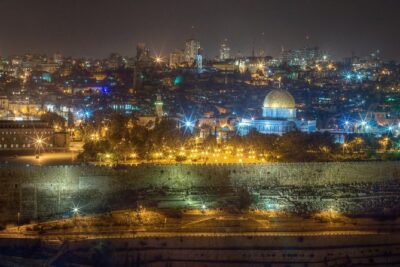
The tour begins with a panoramic view from Mount Scopus. This is more than a photo stop. Jerusalem can feel confusing when you first enter its narrow lanes, and the broad view helps you understand the city before you get inside the walls.
From this high point, you can take in the shape of Jerusalem and see how the Old City sits within a larger setting of hills and valleys. The view also prepares you for the day’s geography. Later, you will walk through the Old City, look toward the Kidron Valley, and visit Mount Zion.
I like this kind of opening because it gives you a mental map. The stop is also likely to be one of the less physically demanding moments of the day, useful before the long walking portion begins.
Entering through Zion Gate and the Armenian Quarter
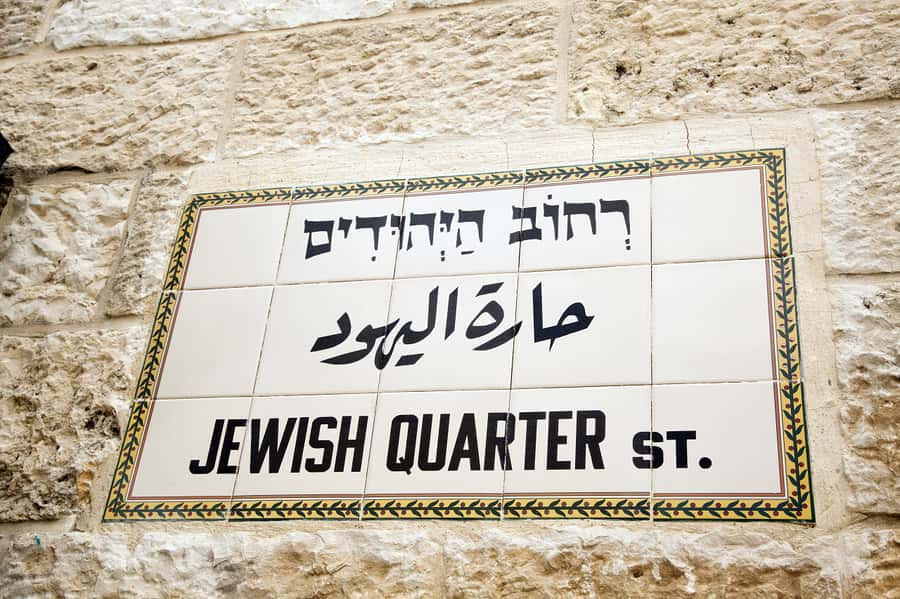
The Old City portion begins through Zion Gate, a historic entrance on the southern side of the walls. From there, the route moves into the Armenian Quarter.
The quarters are not simply museum zones. They are distinct parts of a lived-in old city, with different religious identities, streets, courtyards, and small shops. The Armenian Quarter is a good first step because it gives you a quieter introduction before the route continues into the Jewish Quarter.
Do not expect a long independent wander here. The tour has many stops ahead, so your guide will keep the group moving. Still, pay attention to the change in street character as you go. The appeal of this part of Jerusalem is not just one famous monument. It is the shift from gate to quarter, from broad access point to narrow urban lanes.
The Jewish Quarter and the Byzantine Cardo
In the Jewish Quarter, you will see the remains of the Byzantine Cardo. This old street provides a physical link to Jerusalem’s earlier urban life. The name refers to a major north-south road used in Roman and Byzantine cities, and the surviving section gives you a sense of how the city was organized long before the modern era.
This is a stop I especially appreciate because it adds context between the major holy places. The Western Wall is an intensely important destination, but the Cardo helps show that Jerusalem was also a functioning city of roads, trade, buildings, and daily movement.
The remains are not a full ancient city spread out for you to explore. Think of the Cardo as a focused archaeological glimpse. Your guide’s explanation will be useful here, since the stones alone do not tell the whole story.
A few more Tel Aviv half-days to weigh up
- From Tel Aviv: Jerusalem Old & New City Bus Tour
★ 4.2 · 824 reviews - Full Day City Tour of Jerusalem
★ 4.1 · 367 reviews - Old and New Jerusalem Day Trip from Tel Aviv
★ 4.5 · 296 reviews - Old and New Jerusalem Full-Day Tour
★ 4.0 · 273 reviews
The Western Wall, a place for quiet attention
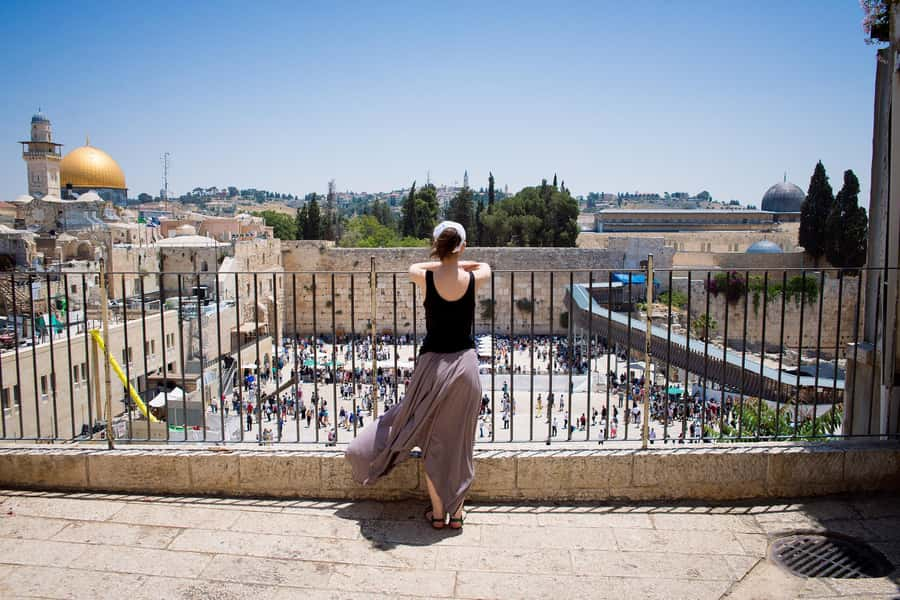
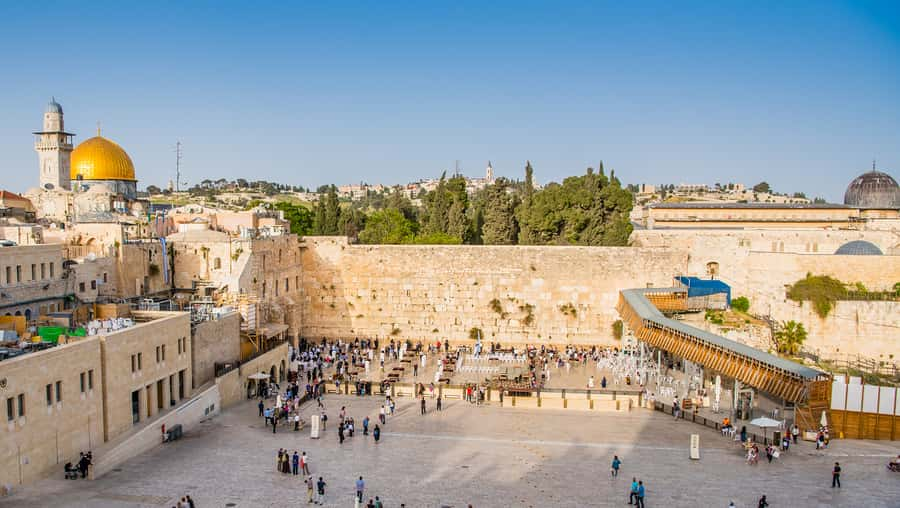
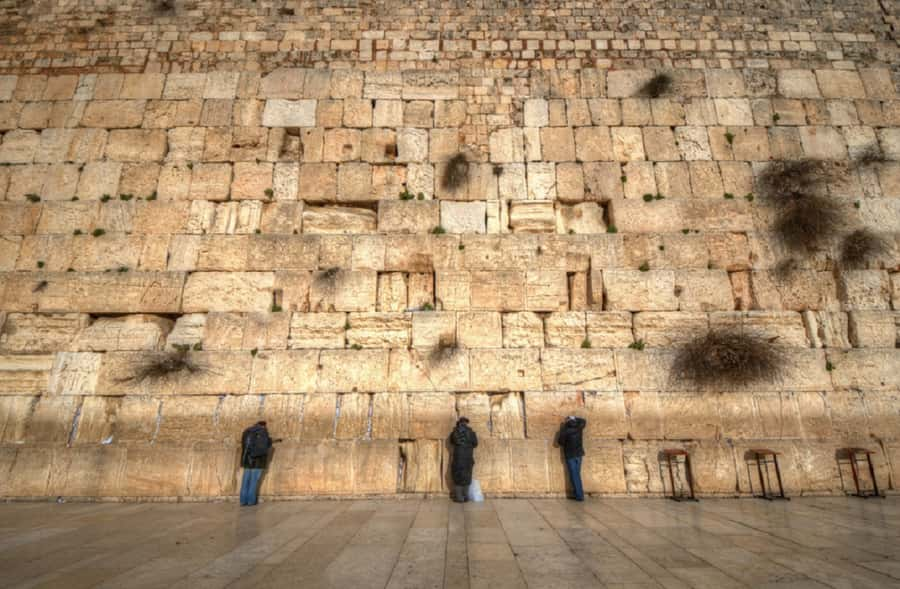
The Western Wall is one of the day’s central stops. It is a sacred Jewish site and a place where the religious meaning is immediately clear, even if you are visiting as an observer.
The wall is part of the retaining structure associated with the Temple Mount. People come to pray, place written notes in the cracks, and spend time in personal reflection. You should behave quietly and respectfully, follow the guide’s instructions, and dress appropriately.
This stop can feel more personal than a standard sightseeing visit. You are not simply looking at an old wall. You are entering an active place of prayer. The area may also feel crowded or tightly managed, so do not count on a long, private moment.
Modest clothing is required at holy sites. Shorts, short skirts, and sleeveless shirts are not allowed. Dress conservatively from the start, rather than trying to adjust your clothing during the day.
Walking the Via Dolorosa to the Holy Sepulchre
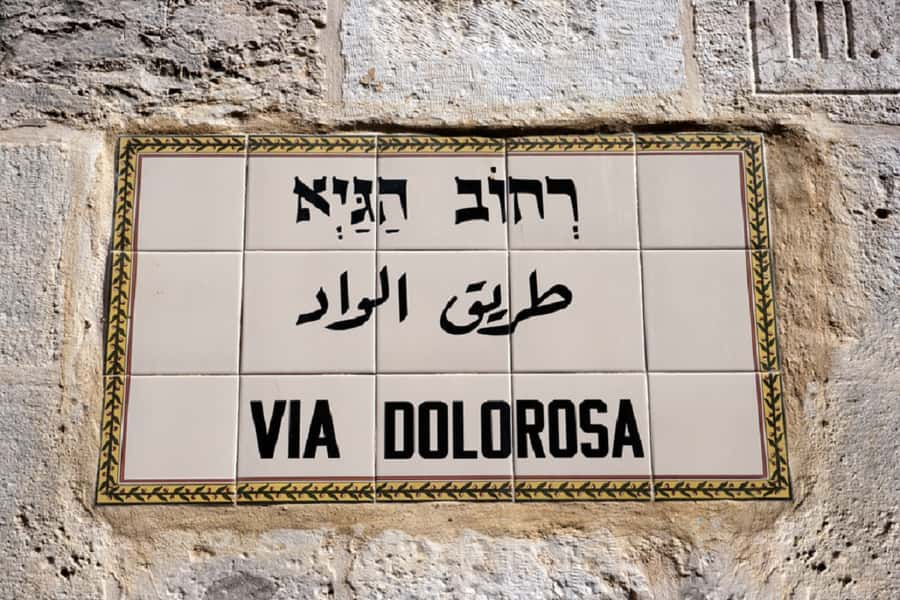
The route then follows the Via Dolorosa, the traditional path associated with Jesus. This is one of the most recognizable walks in Jerusalem, but it is also one of the least simple.
The street passes through the Old City’s tightly packed lanes, where religious sites, shops, and everyday activity share the same limited space. You will not experience the Via Dolorosa as a quiet path through an open setting. Its power comes partly from the contrast between the solemn tradition and the ordinary life around it.
The walk ends at the Church of the Holy Sepulchre, one of Christianity’s most important churches. The church contains sites associated with the crucifixion and Christ’s tomb, along with centuries of religious objects and traditions.
Allow yourself a moment to take in the building’s atmosphere. It can be busy, and the interior holds several points of interest close together. The tour gives you access and context, but the schedule may not allow extended personal time at every chapel or sacred feature.
For Christian visitors, this may be the emotional center of the day. For others, it is a chance to see how different communities have maintained and interpreted a major sacred place over many centuries.
The Old City bazaar adds everyday Jerusalem
After the major religious sites, the route passes through the Old City bazaar. This is where the day shifts from formal pilgrimage sites to commerce and daily life.
The stalls offer color, movement, and a more ordinary view of the Old City. You may find the lanes crowded and the shopping atmosphere lively, so keep track of your group and belongings. The bazaar is part of the city’s character, not just a break between monuments.
Because the tour is guided and time-limited, do not expect an extended shopping session. If you see something you truly want, ask your guide how much time is available before stepping away from the group.
Gethsemane, the Church of All Nations, and the Kidron Valley
The tour continues to the Garden of Gethsemane and the Church of All Nations. These sites bring a quieter tone after the narrow streets and commercial energy of the Old City.
The Garden of Gethsemane is associated with the final hours before Jesus’ arrest. The Church of All Nations is known for its connection to that setting and for its religious importance. Your guide will provide the framework, while the setting gives you space to consider the story in its traditional location.
The route also includes a view of the Kidron Valley and its ancient Jewish tombs. This is another helpful geographic pause. You can see how valleys and slopes shape Jerusalem, and how burial places occupy the area beyond the Old City walls.
The walking and standing continue, so comfortable shoes are important. The tour does not list food or drinks as included. Bring what you need for the day, since the schedule is too full to treat every stop as a long meal break.
Mount Zion and its sacred rooms
The final major part of the standard route takes you to Mount Zion. Here, you will see the Dormition Church and visit the Room of the Last Supper and King David’s Tomb.
The Room of the Last Supper is traditionally connected with the final meal of Jesus and his disciples. King David’s Tomb is a revered Jewish site. Placing these two destinations in the same part of the day highlights the way Jerusalem holds overlapping traditions within a small area.
The Dormition Church adds another architectural and religious stop. Together, the Mount Zion visits give the day a different rhythm from the Wall and the Holy Sepulchre. You are seeing sites tied to Christian and Jewish traditions, often within a short distance of one another.
These stops are important, but they may feel compressed after a full day of walking. If Mount Zion is a priority for you, pay close attention to the day of the week you book.
The Monday and Thursday change
On Mondays and Thursdays, except during Jewish holidays, the itinerary changes. Instead of the Church of All Nations at the Garden of Gethsemane, King David’s Tomb, and the Room of the Last Supper on Mount Zion, the tour visits the Holocaust Museum, also known as Yad Vashem.
This is not a minor substitution. You will see a different side of Jerusalem and spend less time at the listed Mount Zion and Gethsemane sites. The Holocaust Museum deals with sensitive material, and children under 10 are not permitted to visit it.
Choose your date carefully. If you want the standard route with Gethsemane and Mount Zion, avoid Monday and Thursday unless a holiday changes the schedule. If you want to include Yad Vashem and are prepared for its serious subject matter, those days offer a different focus.
How the logistics affect your day
Hotel pickup and drop-off are included, but the final pickup time and hotel are confirmed by Bein Harim Israel Tours in a separate email. Read that message carefully. If it does not arrive, contact the supplier at [email protected] to confirm the details.
The coach is air-conditioned, which is useful for the journey between Tel Aviv and Jerusalem. Once you reach the Old City, though, much of the experience is on foot. The tour is not suitable for wheelchair users, and children under four are not accepted.
The language choices are English, Spanish, and French. No guide names are provided in the tour details, so you should choose the language that lets you follow historical and religious explanations comfortably.
Free cancellation is available up to 24 hours before departure for a full refund, and you can reserve now and pay later. Those terms are useful if your Tel Aviv plans are still shifting, but the bigger decision is the route and pace.
Who should book this Jerusalem tour
I would recommend it to a first-time visitor who wants the major Old City highlights without arranging separate transport, entry fees, and guiding. It also suits you if you are staying in Tel Aviv and have only one day available for Jerusalem.
The tour is a good match for people who value structure. You will see a lot in one day, and the route gives you a useful introduction to the city’s Jewish, Christian, and historic sites.
I would be more cautious if you have limited mobility, dislike group schedules, or want to spend an hour at each church. The day is long, and the route includes old streets, religious sites, and several walking sections. Families with young children should note the age restrictions, especially on Monday and Thursday.
Should you book it?
Book this tour if your priority is efficient sightseeing from Tel Aviv. For $94, the combination of transport, guide, entry fees, and hotel pickup makes the cost reasonable for a full day of major Jerusalem sites.
Check the weekday substitution before paying. If the Western Wall, Holy Sepulchre, Gethsemane, and Mount Zion are your main goals, select a day that follows the standard itinerary. Come dressed modestly, wear comfortable shoes, carry food or drinks for the long day, and expect an introduction rather than an unhurried study of every site.
FAQ
How long does the Jerusalem tour last?
The tour lasts 10 hours, including transport from Tel Aviv and the return journey.
Is hotel pickup included?
Yes. Hotel pickup and drop-off are included. Bein Harim Israel Tours sends a confirmation email with your final pickup time and pickup hotel.
Which languages are available?
The tour is available with a live guide in English, Spanish, or French.
What sites are included on the standard route?
The standard route includes a Mount Scopus view, Zion Gate, the Armenian Quarter, the Jewish Quarter, the Byzantine Cardo, the Western Wall, the Via Dolorosa, the Church of the Holy Sepulchre, the Old City bazaar, the Garden of Gethsemane, the Church of All Nations, the Kidron Valley, the Dormition Church, the Room of the Last Supper, and King David’s Tomb.
Does the itinerary change on Mondays and Thursdays?
Yes. On Mondays and Thursdays, except during Jewish holidays, the tour visits the Holocaust Museum instead of the Church of All Nations, King David’s Tomb, and the Room of the Last Supper on Mount Zion.
Is modest clothing required?
Yes. Modest clothing is required at holy sites. Shorts, short skirts, and sleeveless shirts are not permitted.
Is the tour suitable for young children or wheelchair users?
The tour is not suitable for children under four or wheelchair users. Children under 10 are not permitted to visit Yad Vashem because of the sensitive content.
Just added around Tel Aviv
- Private wine tour of Northern Israel★ 5.0 · 4 reviews
- Package VIP Skip Line Services in BGN Airport with Transfer to Tel aviv Hotels★ 5.0 · 3 reviews
- Israel Holy Land Christian Tour Package 7 days – Private Tour Package★ 5.0 · 31 reviews
- VIP Tel Aviv airport Terminal 3 Fast Track Skip Line From plane★ 4.5 · 9 reviews
- Tel Aviv and Jaffa Most Exciting Private Tour★ 4.5 · 13 reviews
- Food & Drink Private Guided Tour in Tel Aviv★ 5.0 · 3 reviews
- Tel Aviv & Jaffa Urban Bike Expedition★ 5.0 · 33 reviews
- Urban Walking & Food Tour in Tel Aviv★ 5.0 · 7 reviews
Jerusalem Old City Tours, compared.
City of David and Underground Jerusalem Day Tour
Read our review →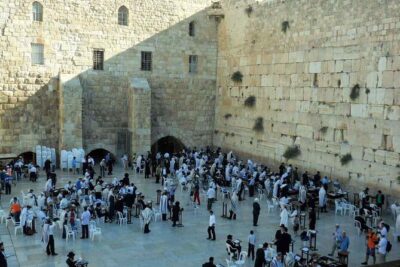
Browse the lists this tour appears in