
Reviewed · WALKING TOURS IN JERUSALEM
Jerusalem : Must-See Attractions Private Walking Tour
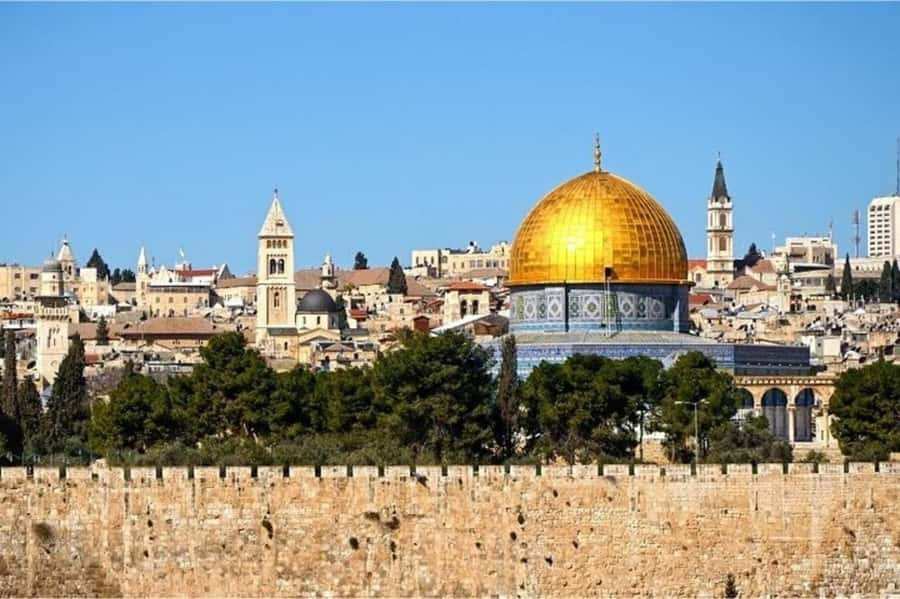
Jerusalem’s Old City is compact on a map but tricky on foot, with sacred places, narrow lanes, and several faiths sharing the same few blocks. This private four-hour tour takes you to the Church of the Holy Sepulchre, Via Dolorosa, Western Wall, Temple Mount, and Old City souk with a guide who can adjust the route to your interests.
I like the private format, since you can ask questions freely and spend more time on Christian sites, Jewish history, Islamic architecture, or a blend of all three. I also like the guide choice of English, Spanish, or French, with guides such as Fares, Efraim, Isser, and Benjamin praised for clear explanations and flexible touring.
The main drawback is time. Four hours gives you a useful first look, but Jerusalem’s holy places can fill an entire day on their own. The route also includes no food or drinks, and the price of $117 per person offers the best value for a small group rather than a solo visitor.
Key things to know before you book
- Private touring lets you set the emphasis: Ask for a Christian-focused route, a wider look at all three major faiths, or extra attention to the Old City streets and souk.
- Five major stops fit into four hours: The schedule gives roughly 48 minutes to each listed area, so expect focused visits rather than long, unhurried exploration.
- The meeting point is near the Christian Quarter: Latin Patriarchate Street 33 puts you close to the Church of the Holy Sepulchre and other central sights.
- The strongest guide feedback centers on personal attention: Fares, Efraim, Isser, and Benjamin are specifically praised for adapting the tour and explaining the city clearly.
- The Temple Mount portion needs realistic expectations: You see the Dome of the Rock and Al-Aqsa Mosque, but the experience is part of a walking route, not a full architectural visit to every building.
- The tour is offered in three languages: English, Spanish, and French are available, and the activity is listed as wheelchair accessible.
Starting near Latin Patriarchate Street 33
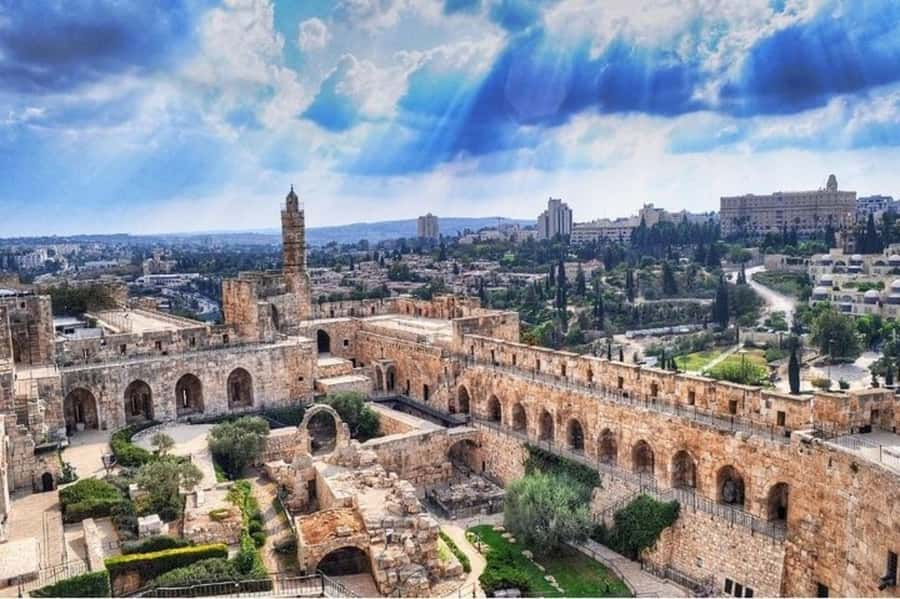
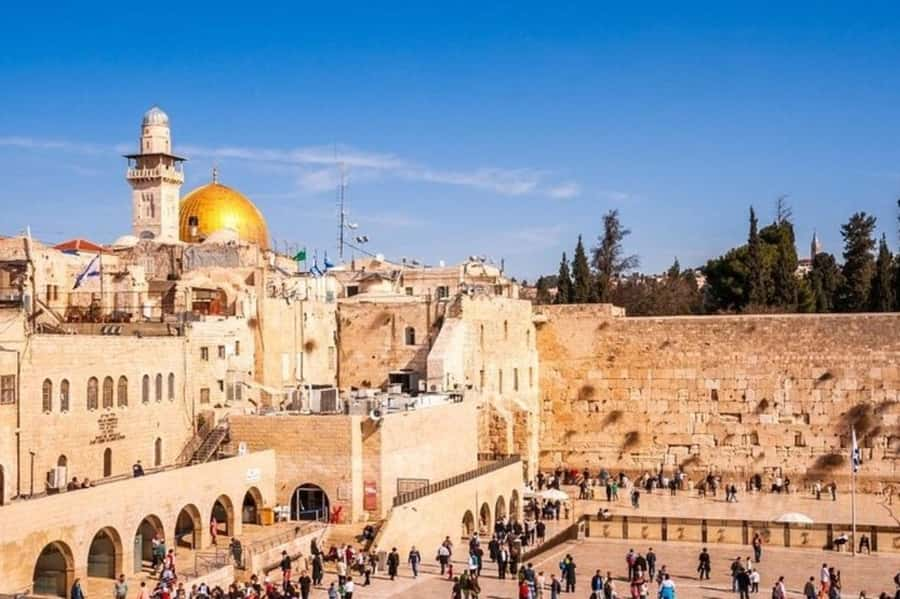
The tour begins at Latin Patriarchate Street 33, in the heart of the Old City near the Christian Quarter. This is a sensible meeting point because several of the main stops are within walking distance, including the Church of the Holy Sepulchre, the Western Wall, and the Tower of David.
I like starting here because you quickly move from an ordinary city address into Jerusalem’s dense historic core. The Old City is not a place where a simple map always tells the whole story. Streets change character quickly, religious sites share walls and courtyards, and a guide can help you understand why the route bends and doubles back.
The walking itself is part of the experience. You should expect narrow lanes, frequent stops, and a steady amount of time on your feet. Public transport is included as part of the walking arrangement, except where a selected tour option changes the plan, so confirm the exact format when booking.
More Private Tours in Jerusalem
- Private Tour Jerusalem Old City
★ 5.0 · 118 reviews - JERUSALEM private tour with ELAD VAZANA – Life in Israel & Palestine Then & Now
★ 5.0 · 115 reviews - Jerusalem Private Full Day Tour
★ 5.0 · 110 reviews
Old City lanes and the Via Dolorosa
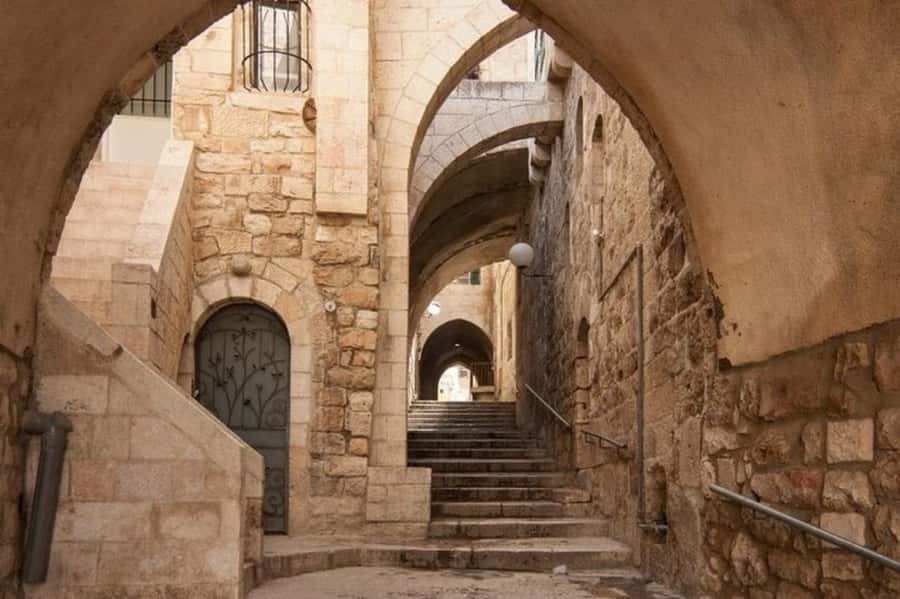
The Old City portion gives you a general sense of Jerusalem before the tour settles into its major religious stops. You walk through the old quarters and reach the Via Dolorosa, the route associated with Jesus’ final walk toward crucifixion.
The Via Dolorosa is not one grand avenue. It is a sequence of streets and waypoints, with Stations of the Cross woven into the living city. Shops, homes, chapels, and passing pedestrians share the route. That mix matters, because you are not visiting an isolated museum display. You are seeing a sacred path used within a working neighborhood.
A guide can make the stations easier to follow, especially if you do not already know the order. The tour description allows about 48 minutes here, which is enough for an introduction and several focused stops. It is not enough for a slow, private prayer visit at every station, so tell your guide at the start if the Christian meaning of the route is your main reason for booking.
This is one area where the private format helps. A group with a strong Christian interest can ask for more context, while a group with broader interests can keep moving toward the Western Wall and Temple Mount.
The Church of the Holy Sepulchre
The Church of the Holy Sepulchre is the tour’s most important Christian site. It contains the traditional location of Jesus’ tomb and presents a layered interior filled with chapels, artwork, and centuries of worship.
I would give this stop your full attention. The building can feel confusing at first, since different Christian communities care for different sections and the interior does not unfold like a single, simple church. A guide can point out the places that matter and explain why this one building carries such weight for Christian pilgrims.
The four-hour schedule makes this a focused visit. You should have time for an explanation, sightseeing, and photographs where permitted, but you may not have time to wait for every religious service or spend a long period at each chapel. If the church is your top priority, say so before the walk begins.
The guide quality matters most here. Efraim has been praised for listening closely and adjusting the route, while Fares has helped Spanish-speaking groups understand the site and get their questions answered. Those details are useful because the Church of the Holy Sepulchre can be far more meaningful when someone explains what you are seeing rather than simply pointing to a doorway.
The Western Wall and Jewish Jerusalem
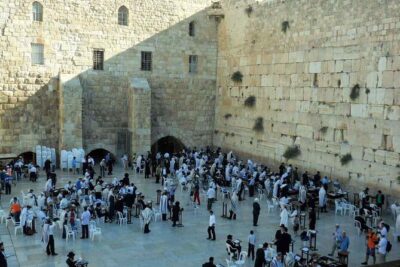
The Western Wall offers a different mood and a different religious tradition. It is a major place of Jewish prayer and devotion, and the visit gives you a chance to see how worship remains part of daily life in the Old City.
Your guide can explain the wall’s importance and help place it within the wider setting around the Temple Mount. The value here is not only the stonework. It is seeing a sacred place in active use, with visitors and worshippers sharing the same space.
Because this is a religious site, respectful behavior matters. Dress and access expectations can vary, and your guide is the right person to ask for practical advice on the day. The tour information does not promise a specific entrance arrangement or extended time for prayer, so treat this as a guided visit rather than a guaranteed private devotional session.
The Western Wall comes after the Via Dolorosa in the listed route, but the exact order can be adjusted. That flexibility is useful if you want to avoid rushing the Christian sites or prefer to organize the walk around your guide’s knowledge of conditions that day.
More Walking Tours in Jerusalem
- Jerusalem: Guided Walking Tour of the Old City
★ 4.7 · 386 reviews - All Inclusive Walking Tour Old City Jerusalem
★ 5.0 · 83 reviews - Jerusalem Walking Tour: In the Footsteps of Jesus
★ 4.5 · 67 reviews - Boutique Walking Tour of Jerusalem
★ 5.0 · 64 reviews
Temple Mount, the Dome of the Rock, and Al-Aqsa Mosque
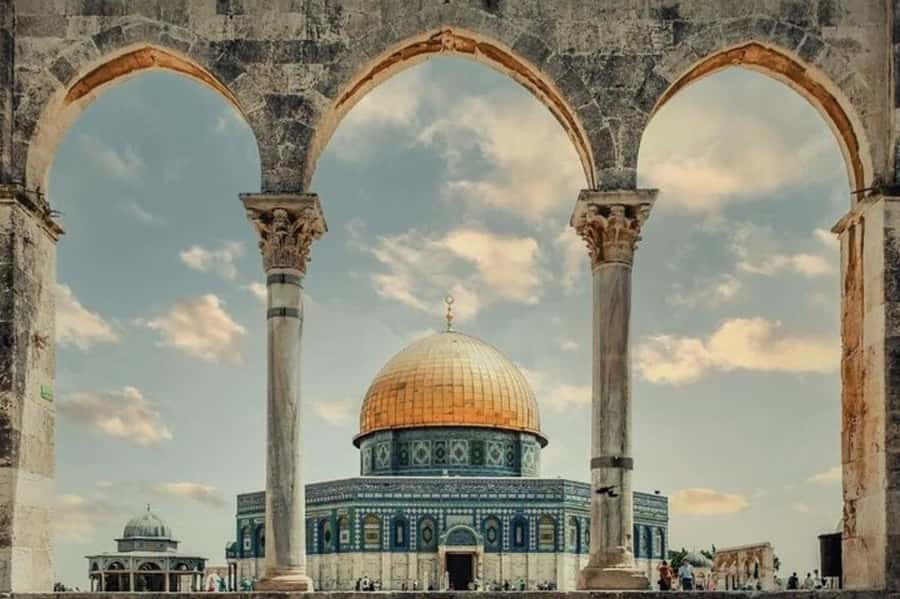
The Temple Mount is the point where Jerusalem’s religious connections become especially clear. It is sacred to Jews, Christians, and Muslims, and the area includes the Dome of the Rock and Al-Aqsa Mosque.
The guide’s role here is to explain the religious meaning of the site without flattening the differences between traditions. You get a chance to look at major Islamic landmarks while also understanding why the same hill matters so much within Jewish and Christian history.
Keep your expectations practical. The tour promises a visit and guided sightseeing at the Temple Mount, with views of the Dome of the Rock and Al-Aqsa Mosque. It does not promise entry into every structure, a long architectural study, or guaranteed access to all areas. Site rules can affect how the stop works, so ask your guide what is possible when you meet.
This is also a good stop for questions. The private setting means you can ask about the buildings, the surrounding walls, and the place of the mount in Jerusalem’s religious life without worrying about holding up a large group.
The Old City souk and the everyday side of Jerusalem
The tour concludes with the Old City souk, where the tone shifts from formal sacred sites to commerce and street life. You encounter stalls, spices, souvenirs, and the sensory clutter of the market.
I like ending here because it reminds you that Jerusalem is not only a series of monuments. People shop, work, sell food, and move through these lanes every day. The souk also gives you a chance to ask your guide for practical suggestions about other places to visit, eat, or explore later.
Food and drinks are not included, so this is not a tasting tour. Think of the souk as a guided introduction to the market and its atmosphere. If shopping is important to you, tell the guide. If you prefer history and architecture, the time can stay focused on the religious quarter and major monuments.
What the private format really adds
A private tour is more than having a guide to yourself. In Jerusalem, it lets you set the balance among three major faith traditions and change the pace when one place catches your attention.
The guide can also shape the experience around language. English, Spanish, and French are offered. Spanish-speaking visitors have specifically worked with Fares, while French-speaking visitors have had tours with Fares and other guides. Efraim, Isser, and Benjamin have also been praised for clear explanations, personal attention, and adapting the route to individual interests.
The strongest benefit is the ability to ask direct questions. One group requested a Christian focus and received a personalized route. Another group had its chosen sites and interests respected while receiving additional context along the way.
That flexibility does not remove the need to prepare. Think about your priorities before arriving. You might want:
- Christian sites and the Stations of the Cross
- Jewish history and the Western Wall
- Islamic landmarks around the Temple Mount
- The Old City’s markets and street life
- A broad introduction to all the main sights
Tell the guide early. Four hours passes quickly, and a clear priority list helps prevent the walk from becoming a rushed checklist.
Is $117 per person good value?
At $117 per person, this is not the cheapest way to see Jerusalem. The value depends heavily on the size of your private group and how much you want personal guidance.
For a small group, the price can make sense because you are paying for a private route, customization, language support, and a guide who can explain difficult religious and historical subjects. You also receive help arranging tickets for desired visits, although the cost of food and drinks is not included.
For one person, the price is harder to justify unless a private guide is important to you. You are not paying for a full-day program, meals, or a long visit inside every major building. You are paying for a concentrated four-hour orientation led by someone who can help you understand the Old City and make the most of limited time.
I see the tour as especially useful early in a Jerusalem stay. You get your bearings, learn which places deserve a return visit, and receive advice about other things to do in the city. If you already know the Old City well, the price may be less appealing.
Timing, walking comfort, and access
The tour lasts four hours, with the listed stops allocated roughly 48 minutes each. That structure gives you a clear route but leaves little room for long waits, extended prayer, or detailed exploration of every monument.
You should plan for sustained walking. The experience is listed as wheelchair accessible, which is important, but the Old City’s streets and individual religious sites can still present practical challenges. Ask the provider about the exact route and access arrangements if mobility is a serious concern.
The tour offers free cancellation up to 24 hours before the start and a reserve-now, pay-later option. These policies are useful if your Jerusalem schedule may change, but the more important planning question is your starting time. Check availability and choose a slot that fits your wider day.
Who will get the most from this tour?
I would recommend this experience to first-time visitors who want to see the main holy sites without planning every turn themselves. It also suits families or friends who have different interests, since the route can be shaped around the group.
It is a strong choice for:
- Visitors with only half a day in the Old City
- Christian pilgrims seeking the Holy Sepulchre and Via Dolorosa
- People who want a balanced look at Jewish, Christian, and Muslim sites
- Spanish- or French-speaking visitors who prefer a guide in their language
- Small groups that value private attention
- Visitors who want practical suggestions for the rest of their Jerusalem stay
I would be more cautious if you want a slow, specialist visit to one monument. Four hours covers a lot, but it cannot provide a long study of every site. I would also ask careful questions about the exact route if full wheelchair access is essential.
My verdict on the Jerusalem private walking tour
Book this tour if you want a flexible first look at Jerusalem’s Old City and value a guide who can connect sacred places with the city around them. The private format, language choices, and personalized route are the main reasons to choose it.
The experience is less suitable if you want meals included, extensive time at each monument, or a fixed guarantee of entry into every religious building. At $117 per person, it works best for a small group with clear interests and limited time.
I would tell the guide your priorities before the first stop. Ask for the right balance among the Holy Sepulchre, Via Dolorosa, Western Wall, Temple Mount, and souk, then let the guide help you make sense of a city that rewards patience and good questions.
FAQ
How long does the private walking tour last?
The tour lasts four hours.
What sights are included?
The route includes the Old City, Via Dolorosa, Western Wall, Temple Mount, Church of the Holy Sepulchre, and Old City souk.
Where does the tour begin?
The meeting point is Latin Patriarchate Street 33 in Jerusalem’s Old City.
Is the tour private?
Yes. It is a private group experience, with no other guests added to your group.
Can the route be customized?
Yes. The tour includes customization, and the guide can adapt the experience to your requested sites and interests.
Which languages are available?
Live guiding is available in English, Spanish, and French.
Is the tour wheelchair accessible?
The activity is listed as wheelchair accessible.
Are food and drinks included?
No. Food and drinks are not included.
Is public transport included?
The walking tour includes public transport, except if you select an option that states otherwise.
Can I cancel for a full refund?
You can cancel up to 24 hours in advance for a full refund.
Can I reserve now and pay later?
Yes. The booking option allows you to reserve your place and pay later.
Just added around Jerusalem
- Tel Aviv & Old City of Jaffa – Tiny group from Tel Aviv★ 4.5 · 9 reviews
- Tel Aviv; Jaffa Old City, Port & Shuk Hapishpishim Walking Tour★ 4.5 · 11 reviews
- Discover the Secrets of the Underground Jerusalem with a private tour★ 5.0 · 4 reviews
- Private Tour : Jerusalem Old City Day Trip from Tel Aviv★ 5.0 · 19 reviews
- Private Tour from Tel Aviv to Jerusalem★ 5.0 · 3 reviews
- Luxury Private Tour to Jerusalem from Tel Aviv★ 5.0 · 22 reviews
- Tel Aviv Airport (TLV) to Jerusalem Hotels – Private Transfer★ 4.0 · 19 reviews
- Palm Sunday in Jerusalem: Mass at Bethpage and Via Dolorosa Procession with Transport from Tel Aviv★ 5.0 · 3 reviews
Walking Tours in Jerusalem, compared.
Jerusalem Walking Tour: In the Footsteps of Jesus
Read our review →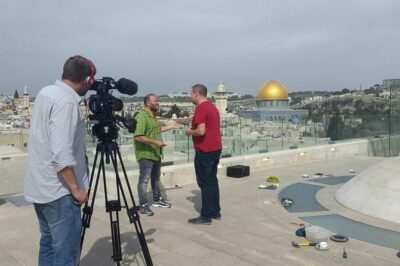
The Center of the Universe – Walk the “Holy City” with GaryTheGuide
Read our review →
Jaffa: Old City, Port & Shuk Hapishpishim Walking Tour
Read our review →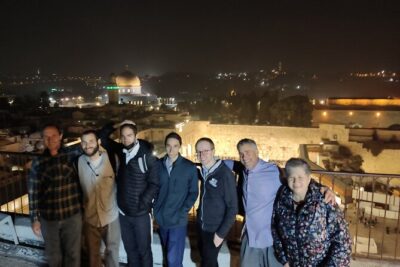
Browse the lists this tour appears in