
Reviewed · JEWISH HERITAGE TOURS
Jerusalem: Meet the Orthodox Jews Tour
Jerusalem’s ultra-Orthodox neighborhoods can feel like a world set apart, even when they are only a short walk from the city center. This tour gives you a rare chance to look beyond the black hats, modest dress, and closed doors, with explanations from a guide who grew up inside the community.
I like the former-insider perspective, which turns an ordinary street walk into a candid conversation about family, faith, work, food, phones, and social rules. I also like the chance to ask direct questions rather than simply listen to a prepared lecture.
The main consideration is that this is a walking and discussion tour, not an attraction-filled sightseeing trip. Some places cannot be entered, and you’ll often view them from outside. Modest clothing is required, including a scarf or shawl for women.
Key points to know before you book
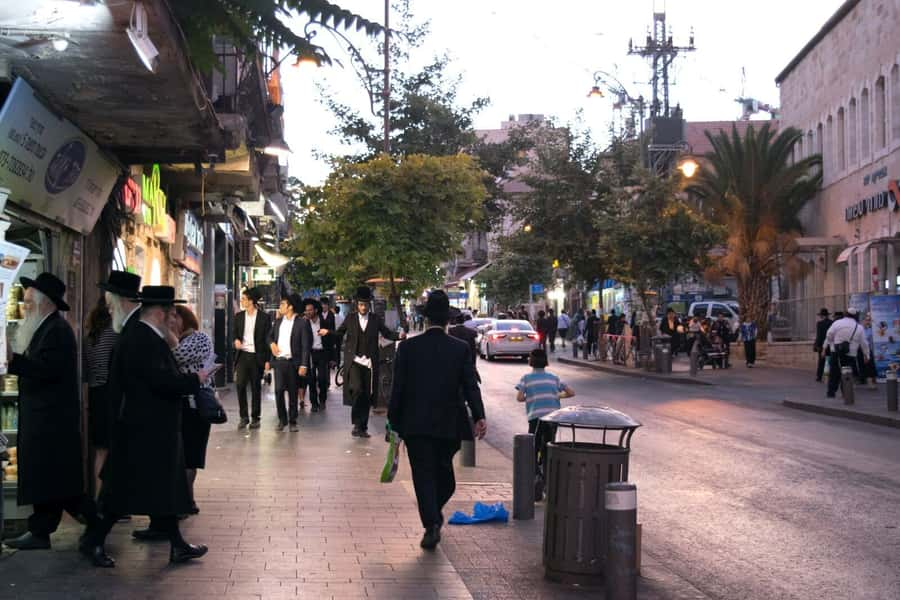
- A former community member leads the conversation: Your guide explains ultra-Orthodox life from personal experience and can discuss both its traditions and its tensions.
- You walk through a neighborhood rarely visited by tourists: The focus is on everyday streets, shops, religious buildings, and local customs rather than major Jerusalem monuments.
- Expect an open question-and-answer format: Topics include marriage, women’s roles, kosher food, phones, media, charity, Sabbath rules, and the community’s place in Israel today.
- Several sites are viewed from outside: Local rules mean that a bookstore, music shop, restaurant, bakery, clothing store, synagogue, or yeshiva may not be open to the group.
- Dress carefully: Shorts, sleeveless shirts, bare shoulders, and other revealing clothing are not permitted. Women should bring a scarf or shawl.
- The tour lasts 150 minutes and costs $53: That is a fair price if you value context and personal discussion, but less so if you want food tastings or extensive interior visits.
Why this Jerusalem walk feels different
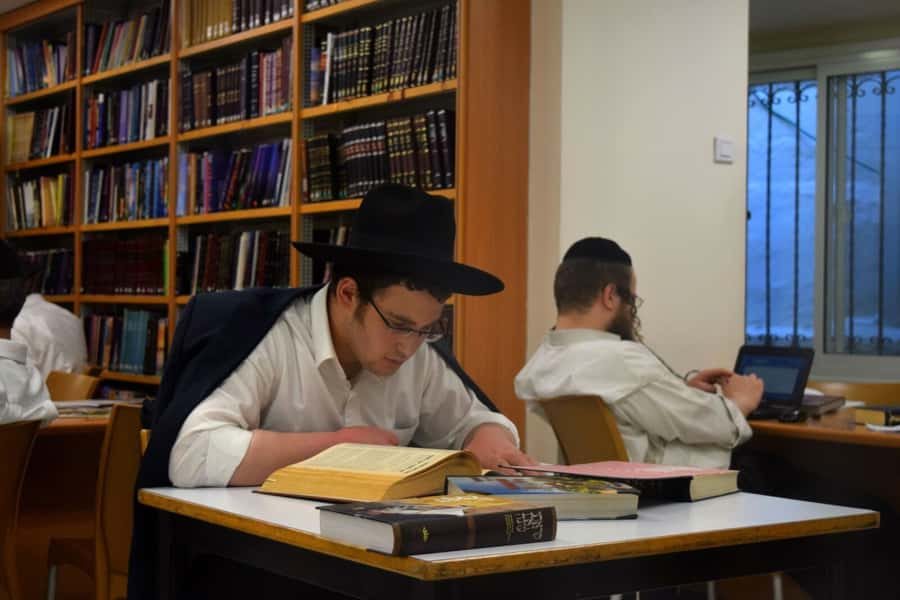
Many Jerusalem tours move quickly between famous sites. You see the Western Wall, the Church of the Holy Sepulchre, or the Mount of Olives, hear a broad explanation, and continue to the next landmark. This experience takes a narrower path. It asks you to pay attention to how one community organizes daily life.
The ultra-Orthodox, also called Haredi, are not a single uniform group. Customs and viewpoints can differ, and a short tour cannot explain every branch or family. Still, a guide raised in the community can point out details that are easy to miss when you walk through the neighborhood alone.
You may notice clothing, signs, religious symbols, shop displays, and the way public space is used. The guide places those details in context, explaining why certain customs matter and how they shape ordinary routines.
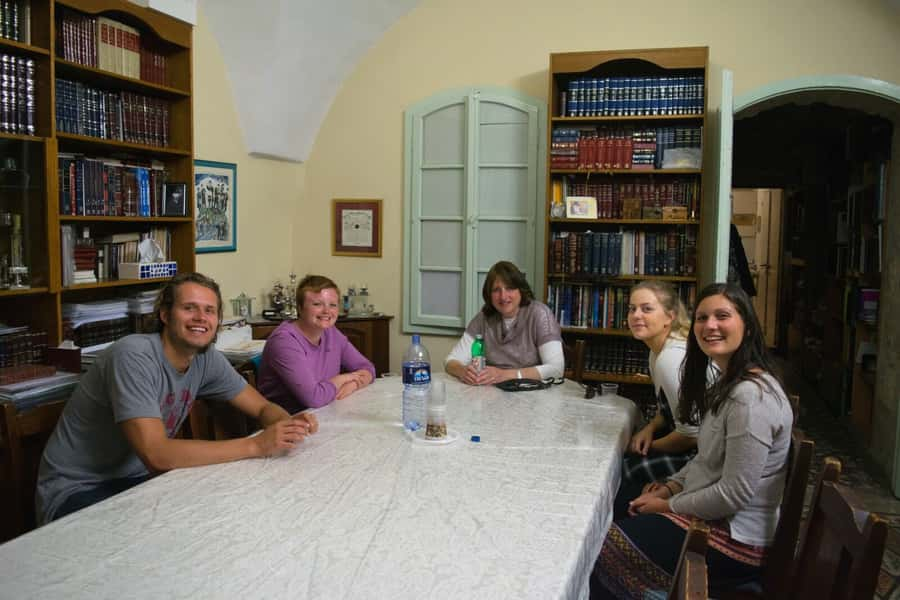
The value is not just factual. It is social. You are encouraged to ask respectful questions, including questions that might be awkward in another setting. The guide can discuss marriage, women’s roles, phones, newspapers and media, charity, kosher food, Sabbath observance, and holidays in plain language.
That open tone is one of the strongest reasons to choose this tour. The experience is designed for conversation, not silent observation.
More Jewish heritage walks in Jerusalem:
- Jerusalem Yad Vashem Holocaust History Museum Tour
★ 5.0 · 98 reviews - Jerusalem Half Day Tour: Holy Sepulchre and Western Wall
★ 4.5 · 80 reviews - Jerusalem Half-Day Tour from Tel Aviv: Holy Sepulchre and Western Wall
★ 4.0 · 61 reviews
Starting at Ha-Nevi’im Street
The current meeting point is the bus stop outside Abraham Jerusalem at Ha-Nevi’im Street 67. The hostel itself is closed at the moment, so do not rely on entering the building for directions. Check the exact starting time when you book and arrive with enough time to identify the bus stop.
The activity lasts 150 minutes, or two and a half hours. That is long enough to cover several streets and topics without turning the walk into a full-day commitment. You should still wear comfortable shoes, since the experience takes place on foot and includes extended explanation along the way.
The guide speaks English. Some departures have been led by Moti, a former member of the ultra-Orthodox community whose personal story has been an important part of the experience. The guide listed for your departure may differ, so check the booking details if a particular guide matters to you.
Bring water and a hat. A camera is allowed, but use good judgment. You are entering a functioning residential community, not a staged cultural exhibit. Ask before photographing people, shops, or private spaces.
Walking through an ultra-Orthodox neighborhood
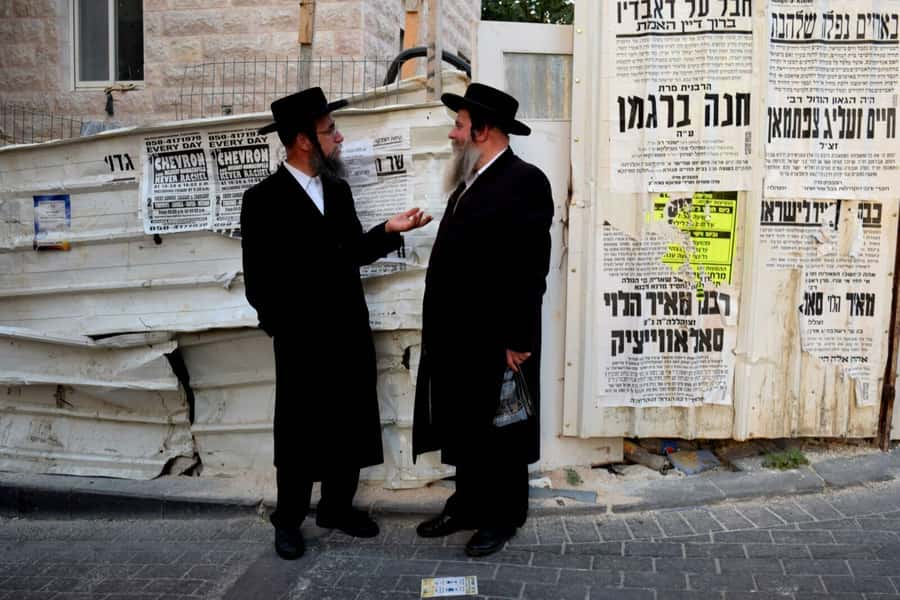
The first part of the route introduces you to a traditional neighborhood that is not usually part of a standard Jerusalem sightseeing plan. The guide points out religious symbols, local customs, and significant sites as you walk.
This is where the tour earns its price. A bookstore may look like an ordinary shop until you understand what kinds of books are sold and why certain subjects matter. A music store, clothing shop, bakery, or restaurant may reveal how religious rules shape shopping, entertainment, dress, and food.
You may see a yeshiva, a place of Jewish religious study, as well as a synagogue. The guide explains the role these institutions play in community life. You are not simply collecting names of buildings. You are learning how study, worship, family, and neighborhood ties fit together.
Not every stop allows entry. Local rules forbid visitors from going into some places, so you may look from the pavement while the guide explains what happens inside. This is a real limitation if you expect an indoor cultural tour, but it also reflects an important boundary. The community is being visited, not put on display.
I appreciate that distinction. A respectful tour sometimes means accepting that you cannot see everything.
What the shops and buildings reveal
The itinerary includes the kinds of places that make up a neighborhood’s daily life: a typical bakery, a clothing shop, a bookstore, a music store, a restaurant, a synagogue, and a yeshiva. The exact balance can depend on the route and what is open, but the purpose is consistent. Each stop helps explain how the community functions.
The bakery is a useful example. Food rules are not an abstract subject here. Kosher practice affects what people buy, where food is prepared, and how meals fit into religious life. The guide can explain the broader principles, but you should not expect a tasting because food and drinks are not included.
Clothing is another visible sign. Modest dress is expected within the neighborhood, and the tour’s own dress code prepares you for that setting. You need to avoid shorts and sleeveless shirts, and bare shoulders are not acceptable for men or women. Women should bring a scarf or shawl.
The synagogue and yeshiva help explain the community’s religious structure. You will not necessarily enter either building, and you should not expect a formal worship visit. Their importance comes from the guide’s explanation of how prayer and study fit into the rhythm of life.
The tour can also address phones and media. These are practical issues with a direct effect on how people communicate and receive information. Hearing about them from someone who has lived within the system makes the subject more useful than a general description of religious rules.
A few more Jerusalem half-days to weigh up
- From Tel Aviv: Jerusalem Old & New City Bus Tour
★ 4.2 · 824 reviews - Jerusalem: Guided Walking Tour of the Old City
★ 4.7 · 386 reviews - Full Day City Tour of Jerusalem
★ 4.1 · 367 reviews - Old and New Jerusalem Day Trip from Tel Aviv
★ 4.5 · 296 reviews
The personal story behind the guide
The most powerful part of the walk may come near the end, when the guide explains his own decision to leave the ultra-Orthodox community. That personal account adds a human dimension to the earlier explanations.
You should not expect the guide to present the community as either perfect or backward. The value of the story is the chance to hear about belonging, pressure, belief, family, and change from someone who knows the culture from the inside.
A personal story also needs careful handling. One former member cannot represent every Haredi family or neighborhood. The guide’s experience is a lens, not a complete portrait. I would treat the discussion as an invitation to think, not a final verdict on a large and varied population.
That said, this is where many people find the tour most moving. The guide can explain customs with empathy while also discussing conflicts and limits. The result is more useful than a simple outsider’s account, especially if you want to understand why people make choices that may seem unfamiliar.
The discussion topics that make the walk worthwhile
You have room to ask questions throughout the tour. The central subjects include:
- Marriage and family expectations
- The role of women
- Media and communication
- Charity and community support
- Kosher food
- Phones and technology
- The Sabbath and Jewish holidays
- The community’s place in modern Israeli society
These topics work well together because they connect belief with ordinary decisions. A discussion of the Sabbath, for example, is not only about religious law. It can also lead to questions about shops, transport, family gatherings, work, and public life.
The role of women is another subject that needs care. The guide can explain local expectations and social structures, but the tour is not a debate staged for visitors. Ask direct questions respectfully and allow space for complexity.
The conversation may also touch on the relationship between the ultra-Orthodox sector and wider Israeli society. That makes the tour useful beyond the neighborhood itself. You gain a clearer sense of why this community matters in contemporary Israel and why its customs can sometimes create disagreement.
The guide’s ability to answer difficult questions is important. A strong departure should leave room for honest discussion without turning the walk into a political argument.
What the tour does not include
This is not a food tour. The $53 price does not include food or drinks, so eat beforehand or plan a meal afterward. You may pass a bakery or restaurant, but seeing a food business does not mean you will sample its products.
It is also not an interior architecture tour. Some shops and religious sites cannot be entered by visitors. If your main goal is to see inside synagogues, yeshivas, or homes, this may not meet your expectations.
The route is not built around major Jerusalem monuments. You will not use the two and a half hours to cover the Old City, the Western Wall, or a museum. That is a strength if you have already seen the headline sights and want a more focused cultural experience. It is a drawback if this is your only activity in Jerusalem and you want a broad introduction to the city.
One practical issue is hearing the guide in noisy areas. A participant specifically noted that headsets might have helped when street noise made parts of the explanation harder to catch. Stay close to the guide and ask for clarification if you miss a point.
Is $53 a fair price?

At $53 per person, the tour is not the cheapest way to spend two and a half hours in Jerusalem. You are paying for a specialized guide, access to a less familiar neighborhood, and the chance to ask questions in real time.
There is no meal, admission ticket, transport, or major monument included. The price makes the most sense if you value insider explanation more than physical access. You are buying context and conversation.
The tour can be good value for first-time visitors who want to understand more than the city’s famous religious sites. It is also useful for repeat visitors who have already seen the main monuments and want a different side of Jerusalem.
I would think twice if you dislike walking, prefer large attractions, or expect a set schedule of indoor visits. The cost may feel high if much of your time is spent standing outside buildings and listening. For a curious visitor who asks questions and pays attention to small details, the experience offers something difficult to arrange independently.
Free cancellation is available up to 24 hours before the tour, and you can reserve now while paying later. Those terms give you some flexibility, but check the current availability and starting time before making plans.
Who should book this experience?
I would recommend this tour to you if you:
- Want to understand ultra-Orthodox Jewish life beyond surface impressions
- Prefer personal stories and discussion to a standard sightseeing script
- Are comfortable walking through a residential neighborhood
- Can dress modestly and follow local customs
- Have questions about religion, family, technology, and Israeli society
- Have already visited Jerusalem’s main landmarks
- Want an English-language experience with a former community insider
It may not suit you if you need frequent seating, want food included, or expect unrestricted access to local buildings. It is also not the right choice if you want a neutral overview of every Jewish community in Israel. The focus is specifically on ultra-Orthodox life in Jerusalem, explained through the guide’s experience.
What to wear and bring
Dress conservatively from the start. Do not arrive in shorts or a sleeveless shirt. Both men and women should cover their shoulders, and women should bring a scarf or shawl.
Bring:
- Comfortable walking shoes
- Water
- A hat
- A camera, used respectfully
- Questions you genuinely want answered
The clothing rule is not a minor technicality. Dressing properly helps you enter the neighborhood without drawing needless attention, and it shows respect for the community you are visiting.
Final recommendation: book it for understanding, not sightseeing
I would book this tour if you want a closer look at how faith shapes daily life in Jerusalem. Its strongest feature is the former-insider guide, especially when the conversation reaches personal experience, social tensions, and the decision to leave the community.
You should book it with realistic expectations. Some places remain closed to visitors, food is not included, and street noise can make parts of the talk harder to hear. But if you stay curious, dress appropriately, and take part in the discussion, the 150 minutes can give you a more thoughtful view of a community many visitors only observe from the outside.
FAQ
Where does the tour meet?
Meet at the bus stop outside Abraham Jerusalem at Ha-Nevi’im Street 67 in Jerusalem. Abraham Jerusalem is currently closed.
How long does the tour last?
The tour lasts 150 minutes, or two and a half hours.
What language is the tour in?
The live guided tour is conducted in English.
How much does the tour cost?
The listed price is $53 per person.
Is food included?
No. Food and drinks are not included.
Can I enter all the shops and religious buildings?
No. Some places cannot be entered because local community rules forbid it. You may view them from outside while the guide explains their role.
What should I wear?
Modest clothing is required. Do not wear shorts or sleeveless shirts, and keep shoulders covered. Women should bring a scarf or shawl.
Can I bring a camera?
Yes. A camera is listed as something to bring, but you should use it respectfully and be mindful when photographing people or local places.
Who leads the tour?
The tour is led by a live English-speaking guide who was formerly part of the local ultra-Orthodox community. Some departures have been led by a guide named Moti.
Can I cancel the booking?
Yes. You can cancel up to 24 hours in advance for a full refund. A reserve-now-and-pay-later option is also available.
Just added around Jerusalem
- Tel Aviv & Old City of Jaffa – Tiny group from Tel Aviv★ 4.5 · 9 reviews
- Tel Aviv; Jaffa Old City, Port & Shuk Hapishpishim Walking Tour★ 4.5 · 11 reviews
- Discover the Secrets of the Underground Jerusalem with a private tour★ 5.0 · 4 reviews
- Private Tour : Jerusalem Old City Day Trip from Tel Aviv★ 5.0 · 19 reviews
- Private Tour from Tel Aviv to Jerusalem★ 5.0 · 3 reviews
- Luxury Private Tour to Jerusalem from Tel Aviv★ 5.0 · 22 reviews
- Tel Aviv Airport (TLV) to Jerusalem Hotels – Private Transfer★ 4.0 · 19 reviews
- Palm Sunday in Jerusalem: Mass at Bethpage and Via Dolorosa Procession with Transport from Tel Aviv★ 5.0 · 3 reviews
Jewish Heritage Tours, compared.

Jerusalem Yad Vashem Holocaust History Museum Tour
Read our review →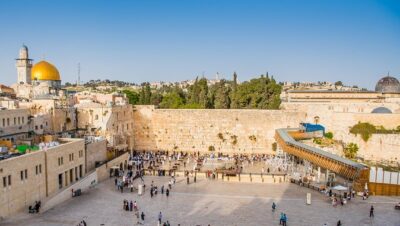
Jerusalem Half Day Tour: Holy Sepulchre and Western Wall
Read our review →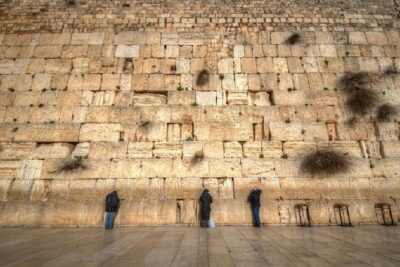
Jerusalem Half-Day Tour from Tel Aviv: Holy Sepulchre and Western Wall
Read our review →
Skip the Line:1.5Hour AudioTour – Yad Vashem Holocaust Remembrance Center Ticket
Read our review →
Jerusalem Jewish Orthodox Neighborhood Walking Tour
Read our review →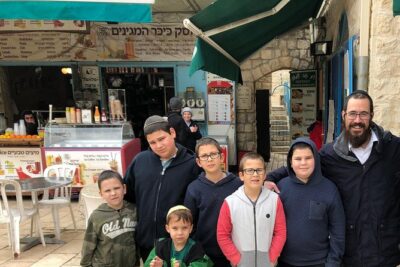
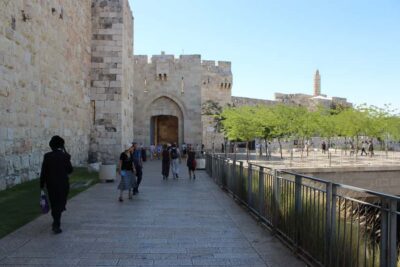
Ashdod Shore Excursion: Private Jerusalem Tour Including Western Wall
Read our review →Browse the lists this tour appears in