Reviewed · MARKETS
Mahane Yehuda Market food tour jerusalem
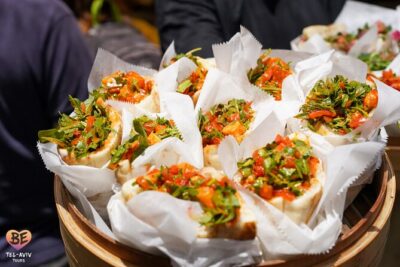
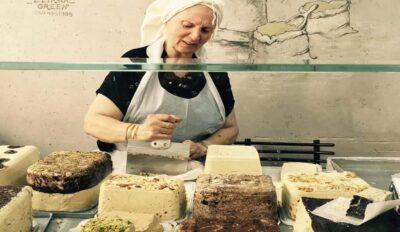
Mahane Yehuda Market is at its best when you stop treating it as a place to shop and start tasting your way through it. This 2.5-hour food tour turns the market into a moving meal, with about ten tastings ranging from hummus and falafel to arak, shawarma, kubbeh, specialty coffee, and sweets.
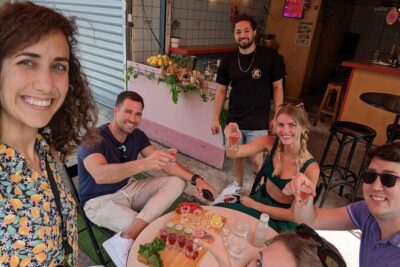
I like the small group limit of 12, which should make it easier to hear Orit and stay together among the market crowds. I also like the wide food range: you get both familiar Israeli staples and less obvious dishes tied to the many communities that shaped local cooking.
The main caution is timing. The tour summary lists a 10:00 am start, while the meeting details list 10:30 am, so confirm the exact departure time before you go. Anyone with a sesame allergy should also think twice, since the tour is not recommended for them.
Key points at a glance
- Ten substantial tastings: Plan to arrive hungry, since the food is intended to replace a full meal.
- Orit leads the tour: Her focus is on food, preparation, origins, Israeli culture, and the way dishes developed over time.
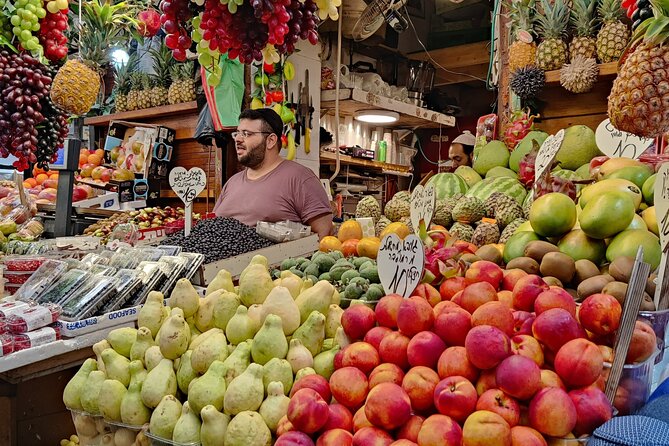
- Mahane Yehuda setting: You walk through a market founded under Ottoman rule and still used by local shoppers.
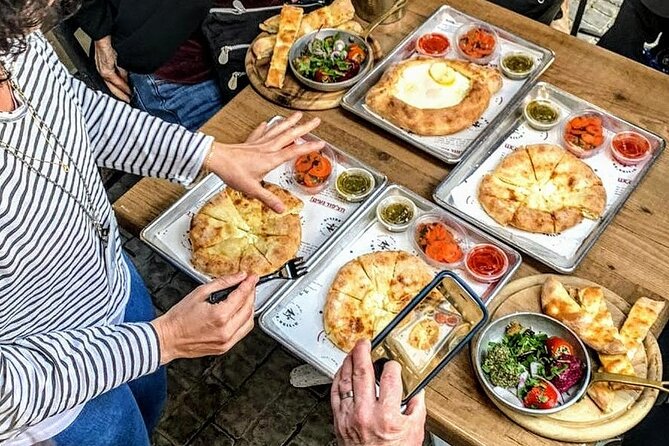
- A broad Israeli menu: Expect hummus, arak, falafel, shawarma, hachapuri, kubbeh, coffee, sweets, and more.
- Small-group format: The maximum group size is 12 people, with the activity returning to its starting point.
- Good practical fit for many visitors: The market is near public transportation, mobile tickets are accepted, and service animals are allowed.
Why Mahane Yehuda makes a strong food-tour setting
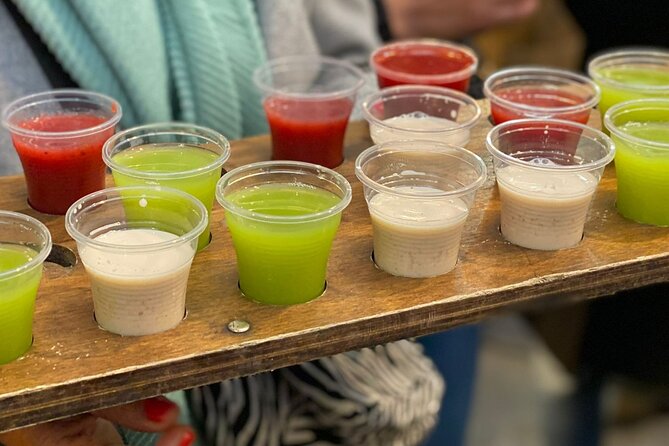
Mahane Yehuda began in the late 19th century, during the Ottoman period, as a place where farmers from nearby villages sold fresh produce. It later grew into one of Jerusalem’s best-known food centers, serving both local residents and people coming to browse, eat, and shop.
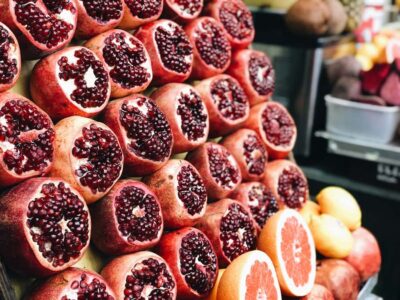
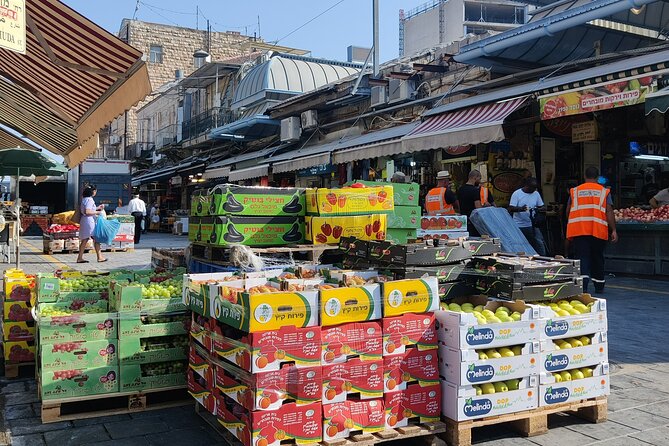
That background matters because the market is not simply a row of restaurants built for sightseeing. Produce, spices, prepared food, sweets, and drinks sit side by side. You get a sense of how everyday shopping connects with Jerusalem’s wider food culture.
I like food tours in markets because they give you useful context quickly. Instead of hearing a long lecture about Israeli cuisine, you can connect each explanation to something in front of you: a dish, an ingredient, a cooking method, or a stall selling seasonal produce.
The market can also be crowded and noisy. That is part of the appeal, but it means this is not a quiet, sit-down tasting menu. You will likely be walking, standing, sharing food, and listening while people move around you.
More food tours in Jerusalem:
- Carmel Market Tasting Tour – LocaLocal
★ 5.0 · 140 reviews - Tel Aviv Food Tour of the Carmel Market
★ 4.0 · 29 reviews - Carmel Market Tasting Tour
★ 5.0 · 25 reviews
Meeting Orit at Agripas Street 88
The stated meeting point is Agripas Street 88, Jerusalem, and the activity ends back at that same location. The tour uses a mobile ticket, so you should have your booking information ready on your phone.
Orit is the guide named in the tour information. Her role goes beyond pointing out food. The focus includes preparation, ingredients, origins, and the cultural background behind Israeli dishes. Her work with culinary groups has also included explaining the way Israeli cuisine has developed through different communities and traditions.
That is important at Mahane Yehuda. A dish such as hummus or falafel can look simple, but the details matter: texture, seasoning, toppings, preparation, and the way it is eaten. A good guide helps you notice those differences instead of rushing from one sample to the next.
The group limit of 12 is a real advantage here. A much larger group would be harder to keep together in narrow market passages, and it would be more difficult to ask questions at food stops. With a smaller group, you should have a better chance of hearing the guide and receiving direct answers.
There is one scheduling detail to settle before the morning begins. The general tour description says 10:00 am, while the meeting information says 10:30 am. Since missing a food tour is a poor way to start the day, confirm the current time when you book.
The first tastings: hummus, falafel, and market ingredients
The tasting list begins with some of the foods most closely associated with the region. Hummus and falafel give you a useful starting point because they are familiar to many visitors, yet they can vary greatly in texture, seasoning, and preparation.
You may also learn how to choose good seasonal produce. This is one of the more practical parts of the tour. You are not only eating finished dishes; you are being shown how fresh ingredients fit into the cooking traditions of the market.
Hummus is a food where freshness and texture matter. Falafel offers a different contrast, with a crisp exterior and a softer interior. The point is not simply to check two famous foods off a list. It is to understand how basic ingredients become central parts of an everyday meal.
Arak adds a drink to the early food story. It is an anise-flavored spirit commonly associated with the region, and including it gives the tour a chance to discuss local drinking habits alongside food. If you do not drink alcohol, ask about the tasting arrangements before booking, since the provided information does not specify a substitute.
Arrive without breakfast, or keep it very light. The tour includes about ten tastings, and the food is described as enough to serve as a full meal. Eating heavily beforehand would leave you with little room for the later stops.
Shawarma, kubbeh, and the wider food story
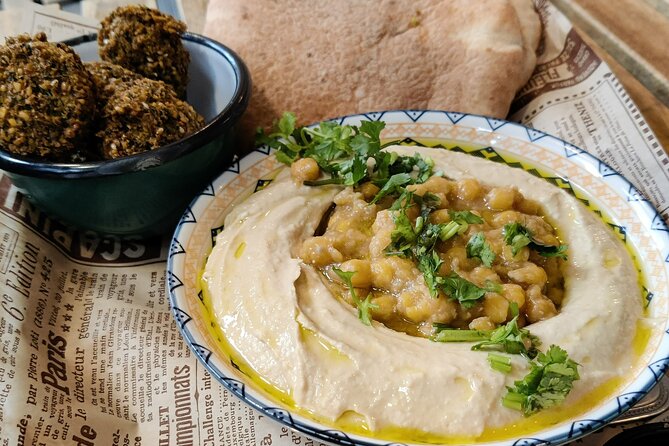
Shawarma and kubbeh bring different textures and cooking traditions into the meal. Shawarma is a familiar street-food choice, while kubbeh reflects the influence of Middle Eastern culinary traditions on Israeli cooking.
The value here is the range. Israeli food is not one narrow style, and a short walk through Mahane Yehuda can show how dishes from different backgrounds now sit within the same local food scene. Orit’s explanations are meant to connect the food with culture, religion, history, and present-day Israeli life.
Kubbeh is especially useful in that conversation because it can be prepared in several forms and carries strong connections to regional communities. The tour description does not specify the exact version served, so you should think of it as a chance to taste the dish rather than a guaranteed lesson in one particular recipe.
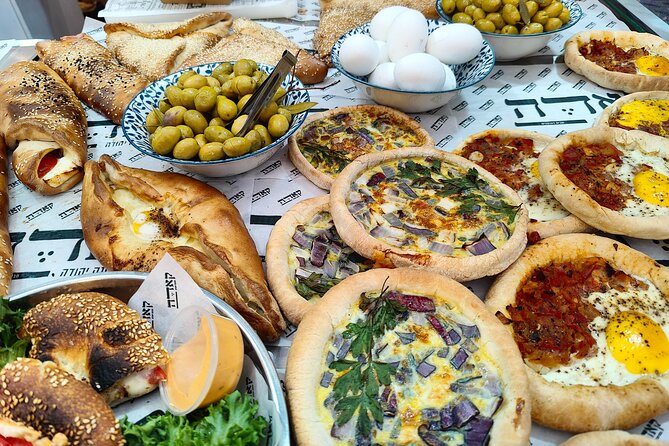
Hachapuri adds another turn to the menu. This cheese-filled bread from Georgian culinary tradition reflects the many influences found in Israeli food today. Its inclusion keeps the tasting from becoming a parade of only the best-known local staples.
I like this part of the route because it helps you move past the idea that Israeli cuisine is limited to falafel and hummus. Those foods matter, but they are only part of a broader story shaped by migration, family cooking, regional traditions, and modern restaurant culture.
Same part of the country, a completely different day out:
- From Tel Aviv: Jerusalem Old & New City Bus Tour
★ 4.2 · 824 reviews - Jerusalem: Guided Walking Tour of the Old City
★ 4.7 · 386 reviews - Full Day City Tour of Jerusalem
★ 4.1 · 367 reviews - Old and New Jerusalem Day Trip from Tel Aviv
★ 4.5 · 296 reviews
Arak, specialty coffee, and traditional sweets

The later tastings bring in drinks and dessert. Specialty coffee gives you a chance to pause from the savory dishes, while traditional sweets close the meal on a different note.
Coffee is more than a caffeine stop here. It gives the guide an opening to discuss how drinks fit into daily social life, though the provided details do not name the specific coffee or preparation. You might find that the coffee stop is one of the calmer moments in an otherwise active market walk.
Traditional sweets offer another way to see the mixture of cultures in Jerusalem. The exact sweets are not listed, so do not book expecting one particular pastry. Instead, expect a final tasting that rounds out the meal and introduces you to flavors you might not choose on your own.
The combination of savory food, alcohol, coffee, and sweets also makes the tour feel like a proper meal rather than a series of tiny samples. Some food tours leave you hungry at the end. This one specifically advises you to arrive with an appetite, and that advice is worth following.
If you have dietary restrictions beyond sesame, ask before booking. The information provided specifically warns against the tour for people with a sesame allergy, but it does not list vegetarian, vegan, gluten-free, kosher, or other substitutions.
What the 99 dollar price includes in practical terms
At 99 dollars per person, this is not a bargain snack walk. The value depends on how much you want from the guide and how many of the listed foods you would otherwise discover on your own.
If you bought several dishes independently, you could likely spend less or more depending on portion sizes and choices. The tour’s price pays for more than food: it also covers Orit’s guidance, the planned sequence, explanations of ingredients and traditions, and the convenience of trying many dishes without deciding where to stop.
The ten tastings are the strongest argument for the cost. Hummus, arak, falafel, shawarma, hachapuri, kubbeh, coffee, sweets, and additional items create a fairly broad meal. You are paying for variety and structure, not just a single restaurant dish.
I would see the tour as especially good value early in a Jerusalem visit. It can help you learn what you like before you return to the market on your own. You can note ingredients, ask how to recognize good produce, and use the food stops as a starting point for later meals.
For a visitor who already knows Mahane Yehuda well, the price may be harder to justify. The tour is most useful when you want interpretation and access to a planned food route, not simply another market visit.
Who will enjoy this market walk most
This tour suits people who plan trips around food, first-time visitors who want a quick introduction to Israeli cuisine, and returning visitors who have walked through Mahane Yehuda but never understood what they were tasting.
It also works well for mixed-age groups. The available feedback about Orit describes her leading groups ranging from age 30 to 70 and adapting to different needs. That does not guarantee a particular pace, but it suggests the tour is built for a broad adult audience rather than only for serious culinary specialists.
You should be comfortable walking and standing for about two and a half hours. The experience takes place in an active market, not in a private dining room, so expect movement, noise, and a changing setting.
Most people can participate, and the market is near public transportation. Service animals are allowed. Still, anyone who has difficulty navigating crowded market areas should contact the provider before booking, since the supplied information does not describe the route’s surfaces or seating.
The tour is a poor match for anyone with a sesame allergy. Sesame is common in several foods associated with this kind of menu, and the activity is specifically not recommended for people with that allergy.
Timing, group size, and cancellation advice

The tour lasts about 2 hours and 30 minutes and returns to the meeting point. That makes it easy to fit into a morning without committing an entire day, though the food may leave you ready for a light afternoon meal.
The maximum group size is 12. That is small enough for conversation but large enough that you should not expect a private tour. If having a completely personal itinerary matters to you, ask about private options before booking.
Free cancellation is available if you cancel at least 24 hours before the local start time. Cancellations made less than 24 hours in advance are not refunded, and changes inside that window are not accepted.
The start-time discrepancy deserves another reminder: one part of the information says 10:00 am, while the meeting details say 10:30 am. Confirm the time and arrive at Agripas Street 88 with a little margin.
Should you book the Mahane Yehuda food tour?
Book it if you want a filling introduction to Israeli food, prefer a guide to eating alone, and like the idea of trying ten different items in one morning. Orit’s strength appears to be connecting each dish with its ingredients, preparation, cultural background, and place in Israeli life.
The tour is particularly appealing for food-focused visitors who want more than a standard market stroll. The small group, full range of tastings, and return to the original meeting point keep the outing practical.
Skip it if you have a sesame allergy, dislike crowded markets, or mainly want to browse at your own pace. You may also find better value by eating independently if you already know Mahane Yehuda and do not need explanations.
For most first-time visitors who enjoy food and want a clear introduction to Jerusalem’s market culture, I would book it. Just confirm the start time, arrive hungry, and treat the 99 dollar price as payment for both the meal and the guide who gives it meaning.
FAQ
Where does the Mahane Yehuda food tour start?
The tour starts at Agripas Street 88 in Jerusalem.
Where does the tour end?
The activity ends back at the meeting point.
How long does the tour last?
The tour lasts approximately 2 hours and 30 minutes.
What time does the tour start?
The meeting details list a 10:30 am start. The general tour description lists 10:00 am, so confirm the exact time before attending.
How many food tastings are included?
The tour includes about ten tastings, including hummus, arak, falafel, shawarma, hachapuri, kubbeh, specialty coffee, traditional sweets, and other foods.
How much does the tour cost?
The listed price is 99 dollars per person.
How many people can join the tour?
The maximum group size is 12 people.
Is the tour suitable for someone with a sesame allergy?
No. The activity is not recommended for people with a sesame allergy.
More Market Mornings in Jerusalem
- Private Market Culinary Tour in Jerusalem
★ 5.0 · 4 reviews - Private Tour to the Culinary World of Jerusalem Market
★ 5.0 · 3 reviews - Tel Aviv: Jaffa & Carmel Market Walking Tour
★ 4.7 · 60 reviews - Tel Aviv: Carmel Market & Tel Aviv Tour with Tastings
★ 3.8 · 36 reviews
Just added around Jerusalem
- Tel Aviv & Old City of Jaffa – Tiny group from Tel Aviv★ 4.5 · 9 reviews
- Tel Aviv; Jaffa Old City, Port & Shuk Hapishpishim Walking Tour★ 4.5 · 11 reviews
- Discover the Secrets of the Underground Jerusalem with a private tour★ 5.0 · 4 reviews
- Private Tour : Jerusalem Old City Day Trip from Tel Aviv★ 5.0 · 19 reviews
- Private Tour from Tel Aviv to Jerusalem★ 5.0 · 3 reviews
- Luxury Private Tour to Jerusalem from Tel Aviv★ 5.0 · 22 reviews
- Tel Aviv Airport (TLV) to Jerusalem Hotels – Private Transfer★ 4.0 · 19 reviews
- Palm Sunday in Jerusalem: Mass at Bethpage and Via Dolorosa Procession with Transport from Tel Aviv★ 5.0 · 3 reviews