
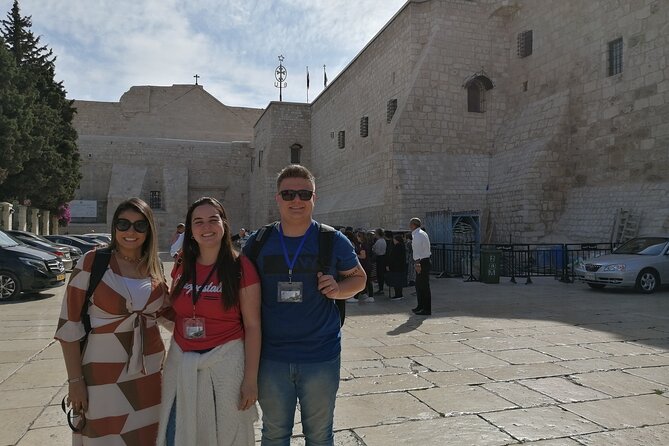
Reviewed · HALF-DAY
From Tel Aviv/Ashdod or Jerusalem – Bethlehem Half Day Guided Private Tour
Bethlehem’s most important sights fit into a short morning here, including the Church of the Nativity, built over the grotto where Jesus is traditionally believed to have been born. You also get a look at modern Palestinian life, from Aida refugee camp to Banksy’s Walled Off Hotel, rather than seeing only the religious landmarks.
I like the private door-to-door transport, especially if you are staying in Jerusalem or traveling with children. I also like the human scale of the visit: local olive wood crafts, the Shepherd’s Field in Beit Sahour, and time with a guide such as Dia or Abood can add far more meaning than a quick stop with a large group.
The main drawback is the tight schedule. Three hours is enough for key sights, but not for a leisurely Bethlehem visit, and a $450 charge for up to three people makes the tour much better value when shared by a full group.
Key points to know before booking
- The Church of the Nativity is the main event: You receive a guided visit to one of the oldest working churches in the world.
- The private car saves time: Pickup is available from Jerusalem, Tel Aviv, or Ashdod in an air-conditioned vehicle.
- The tour crosses into the West Bank: You see both sacred places and present-day political realities, including Aida camp and the Walled Off Hotel.
- Shepherd’s Field adds a second major religious site: The chapel in nearby Beit Sahour marks the traditional place where angels announced Christ’s birth.
- Local crafts are part of the picture: An olive wood workshop introduces a trade practiced by Palestinian Christians.
- The pace suits a short visit: Families and people with limited stamina can request a more considerate rhythm on a private tour.
Why this short Bethlehem visit works
Bethlehem is close to Jerusalem on a map, but it is not a simple hop-on, hop-off stop. You cross from Israel into the West Bank, and the sights are spread across Bethlehem and nearby Beit Sahour. Having a private car and guide removes much of the transport puzzle.
This tour is built around the places most first-time visitors want to see. You visit the Nativity complex, St. Catherine’s Church, the Milk Grotto, and Shepherd’s Field. Along the way, you also pass Aida refugee camp, Rachel’s Tomb, Banksy’s Walled Off Hotel, an olive wood factory, and other cultural sites.
I like this mix. Bethlehem is not only a biblical setting preserved behind church doors. It is also a Palestinian city with working neighborhoods, craft traditions, artistic spaces, and a complicated political setting. The tour gives you a short but useful look at both sides.
The time limit matters. The listed visits add up to roughly two hours, before driving and stops along the way. That leaves little room for long shopping, a museum visit, or an unplanned wait at a crowded religious site. If you want a focused introduction, the format is sensible. If you want to wander Bethlehem’s old city at length, plan a longer visit.
More Private Tours in Bethlehem & Jericho
- Bethlehem Half Day Private Tour – Pick up from Jerusalem/Tel Aviv/Ashdod
★ 5.0 · 54 reviews - Ashdod Shore Excursion: Private Jerusalem and Bethlehem Day Trip
★ 4.5 · 19 reviews - Private Full Day Tour to Bethlehem and Jerusalem From Tel Aviv
★ 5.0 · 10 reviews
Reaching Bethlehem from Jerusalem, Tel Aviv, or Ashdod
Pickup is offered from Jerusalem, Tel Aviv, and Ashdod. You travel by private, air-conditioned vehicle, with door-to-door service rather than a chain of public buses and transfers.
From Jerusalem, this is the easiest fit. You can use the morning efficiently and return with time left in the day. From Tel Aviv or Ashdod, the journey is longer, so the short Bethlehem visit becomes a larger half-day outing. The private vehicle is especially useful from those starting points because it avoids piecing together several transport legs.
The group limit is three people. That is a genuine advantage if you are traveling as a couple, a family, or a small group that wants to control the pace. A family with young children used the private format successfully, including a child in a stroller. Another booking worked well for a mother who could not manage a fast group schedule, with guide Abood taking her limitations into account.
Those details explain the practical value better than the word private alone. You are not tied to a large group’s walking speed or forced to leave a site before your family is ready. The guide and driver can focus on your group, although the overall schedule remains short.
The Church of the Nativity and St. Catherine’s Church
The Church of the Nativity gets about 35 minutes and includes admission. It is the heart of the visit, built over the grotto where Mary is traditionally believed to have given birth to Jesus.
The first church was built in the fourth century by the Roman Emperor Constantine. That long working life is part of what makes the visit special. You are not simply entering a modern building connected to an old story. You are seeing a functioning church with centuries of worship, repair, and change behind it.
Your guide leads the visit and explains the religious traditions tied to the grotto and the church. Guide Dia has been described as an archaeologist with a focus on restoration and religion, so a guide with that background can add useful detail about the building and its preservation. Your actual guide may vary, so ask at booking if a particular guide matters to you.
Thirty-five minutes is enough for an overview, but not for every corner. Religious sites can also involve waiting, and this schedule leaves little spare time. Keep that in mind if reaching the grotto is your main reason for coming.
St. Catherine’s Church follows with about 30 minutes. This Franciscan monastery is associated with Christ’s appearance to St. Catherine of Alexandria and his prediction of her martyrdom in the early fourth century.
The church is also important for what lies below it. The Cave of Jerome can be reached from St. Catherine’s Church. St. Jerome, a Dalmatian priest who lived from 345 to 420, translated much of the Old Testament from Hebrew and Greek into the Latin Vulgate. This stop gives you a chance to connect Bethlehem’s religious buildings with the scholars and religious orders that shaped Christian tradition.
The Milk Grotto in ten quiet minutes
The Milk Grotto receives only ten minutes, so think of it as a brief stop rather than a full visit. The church is linked to the Holy Family’s refuge during the Massacre of the Innocents, before their flight to Egypt.
Its name comes from the tradition that a drop of Mary’s milk fell onto the cave floor and turned the stone white. You do not need to accept the tradition literally to understand why the site matters. For many people, it is a place of prayer connected with Mary, family, and protection.
The short stop is useful because it adds another setting to the Nativity story without taking much time. The drawback is simple: ten minutes can feel rushed, particularly if you want to sit quietly or examine the church at length.
More half-days in Jerusalem:
- Jerusalem Half-Day Sightseeing Tour
★ 3.9 · 177 reviews - Jerusalem Half Day Tour: Holy Sepulchre and Western Wall
★ 4.5 · 80 reviews - Jerusalem Half-Day Tour from Tel Aviv: Holy Sepulchre and Western Wall
★ 4.0 · 61 reviews - From Tel Aviv: Old Jerusalem Half-Day Tour
★ 3.7 · 55 reviews
Shepherd’s Field in Beit Sahour
The Chapel of the Shepherd’s Field takes about 35 minutes and includes admission. It is in Beit Sahour, southeast of Bethlehem, and marks the traditional place where angels announced the birth of Christ to the shepherds.
This stop changes the rhythm of the tour. After the dense church complex in Bethlehem, you move to a site tied to the open setting of the shepherds. The religious story becomes easier to picture here, even though the chapel itself is a later building.
The location also helps you understand Bethlehem as a wider area rather than a single old center. Beit Sahour is a separate town near Bethlehem, and the private vehicle makes this connection easy. Without a car, fitting both areas into a short visit would be less convenient.
Thirty-five minutes gives your guide room to explain the site and gives you time to look around. If the Church of the Nativity is your essential stop, Shepherd’s Field is the best second major religious visit.
Olive wood, art, and daily Palestinian life
An olive wood factory is included as a pass-by or stop in the route, and the tour explains the craft industry practiced by local Palestinian Christians. Olive wood objects are a familiar part of Bethlehem’s visitor economy, but seeing the trade in context gives it more meaning.
This is also where you should keep your expectations realistic. The supplied schedule does not promise a long workshop demonstration or a dedicated shopping period. You may see the factory and learn about the craft, but the main purpose is cultural context rather than an extended retail visit.
The route also includes the Bethlehem Museum, which focuses on Palestinian heritage, identity, culture, and art. Bab idDeir Art Gallery is another possible cultural point, located in the old city’s Deik quarter. Because the tour lasts about three hours, these sites may be passed or included according to time and route. Ask your guide early if one of them is especially important to you.
The Order of the Blessed Virgin Mary of Mount Carmel is also part of the religious background connected with the area. The Carmelites draw on two spiritual roots, the Prophet Elijah and the Virgin Mary. Their early hermits lived near the Spring of Elijah on Mount Carmel and received a rule of life from Saint Albert, Patriarch of Jerusalem, at the start of the thirteenth century.
That information may be covered briefly rather than through a full separate visit. It adds another layer to the many religious communities linked with the Holy Land.
Aida camp and the Walled Off Hotel
This is not a tour that keeps politics out of sight. You pass Aida refugee camp, about two kilometers north of Bethlehem’s historic center and one kilometer north of Beit Jala. The camp is part of the modern Palestinian story, and seeing it from the vehicle gives you a small but important reminder that Bethlehem is a lived-in city, not only a religious destination.
You also see Banksy’s Walled Off Hotel. Its name and art address the separation barrier and the political reality around Bethlehem. The stop helps you connect the city’s ancient sites with current questions about movement, borders, and identity.
The tour does not promise a long political briefing or a museum-style presentation on the conflict. That is both a limit and a strength. You receive some context while moving between sites, but you should not book this as a dedicated political tour.
Rachel’s Tomb may also be passed on the route. It is revered as the burial place of the matriarch Rachel. The itinerary does not promise a full interior visit, so treat it as a notable sight from the vehicle unless your guide confirms otherwise.
What the $450 private price means
The price is $450 per group of up to three people. That means the cost is not a per-person fare. For three people, it works out to $150 each. For two people, it is $225 each, and for one person, you carry the full group price alone.
That is expensive compared with a shared bus excursion, but the comparison is not quite equal. You are paying for a private vehicle, pickup, a guide, and a route that reaches several religious and cultural sites in a short window. You also avoid planning the border crossing area and local transport yourself.
I see the strongest value for three people, families, and anyone who needs a flexible pace. A private format can also be worth more if you are working around a short stay in Jerusalem or a fixed departure later in the day.
For a solo visitor on a tight budget, the price is harder to justify. The tour is short, and some listed sights may be pass-by points rather than full stops. If you book, confirm which locations will receive dedicated time.
Families, older visitors, and people who need an easier pace
The private setup is well suited to families. One family completed the visit with three small children, including a stroller, and the arrangement allowed patience around the transfers and church visits.
It can also suit anyone who cannot keep up with a large group. Abood has been noted for taking a mother’s physical limits seriously, with the guide and driver working to make the day manageable. That does not mean every part of Bethlehem is effortless. Church grounds and old-city areas may still involve uneven surfaces, walking, and changes in pace.
Most people can take part, and the tour is near public transportation, though the main convenience comes from the included pickup. Confirmation is received at booking, and you should state any needs clearly in advance.
Who should book this Bethlehem tour?
I would choose this tour if you want the main Christian sites, a private car, and some direct contact with Bethlehem’s modern reality in a single short outing. It is particularly useful from Jerusalem, or for a small family group that values door-to-door service.
I would also choose it if the Church of the Nativity is your priority and you want a guide to explain what you are seeing. Guides such as Dia and Abood can bring strong subject knowledge and a considerate pace, though the assigned guide is not guaranteed.
I would skip it if you want a relaxed day, long museum visits, extensive shopping, or a full political tour. Three hours is a sharp introduction, not a complete exploration of Bethlehem. For the right group, though, the private price buys convenience, focus, and a much easier route through a complicated place.
FAQ
Where does the Bethlehem tour depart from?
Pickup is offered from Tel Aviv, Ashdod, or Jerusalem.
How long does the tour last?
The tour lasts approximately three hours.
How many people can join the private tour?
The price covers a private group of up to three people.
Is transportation included?
Yes. The tour includes door-to-door transportation in an air-conditioned vehicle.
Is the Church of the Nativity included?
Yes. The tour includes a guided visit to the Church of the Nativity, with admission included.
Which other religious sites are visited?
The route includes St. Catherine’s Church, the Milk Grotto, and the Chapel of the Shepherd’s Field in Beit Sahour.
Does the tour include modern Palestinian sites?
Yes. The route includes Aida refugee camp and a pass by Banksy’s Walled Off Hotel. It also includes political and cultural context about Bethlehem.
Can families with children join?
Yes. Most people can participate, and a family with three small children, including a child in a stroller, completed the private tour.
What is the cancellation policy?
You can cancel for a full refund if you cancel at least 24 hours before the experience start time. Cancellations or changes made less than 24 hours in advance are not accepted for a refund.
Just added around Jerusalem
- Tel Aviv & Old City of Jaffa – Tiny group from Tel Aviv★ 4.5 · 9 reviews
- Tel Aviv; Jaffa Old City, Port & Shuk Hapishpishim Walking Tour★ 4.5 · 11 reviews
- Discover the Secrets of the Underground Jerusalem with a private tour★ 5.0 · 4 reviews
- Private Tour : Jerusalem Old City Day Trip from Tel Aviv★ 5.0 · 19 reviews
- Private Tour from Tel Aviv to Jerusalem★ 5.0 · 3 reviews
- Luxury Private Tour to Jerusalem from Tel Aviv★ 5.0 · 22 reviews
- Tel Aviv Airport (TLV) to Jerusalem Hotels – Private Transfer★ 4.0 · 19 reviews
- Palm Sunday in Jerusalem: Mass at Bethpage and Via Dolorosa Procession with Transport from Tel Aviv★ 5.0 · 3 reviews
Half-Day, compared.
Travel to Bethlehem Half Day Guided Tour from Jerusalem & TelAviv
Read our review →

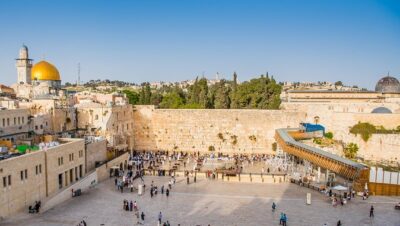
Jerusalem Half Day Tour: Holy Sepulchre and Western Wall
Read our review →
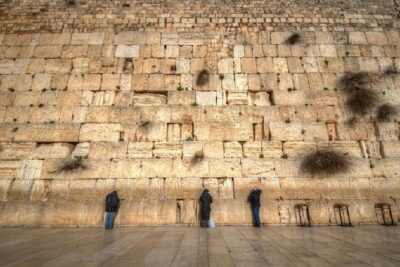
Jerusalem Half-Day Tour from Tel Aviv: Holy Sepulchre and Western Wall
Read our review →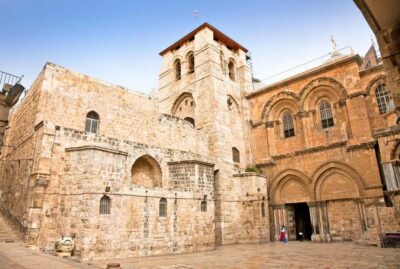
Browse the lists this tour appears in