
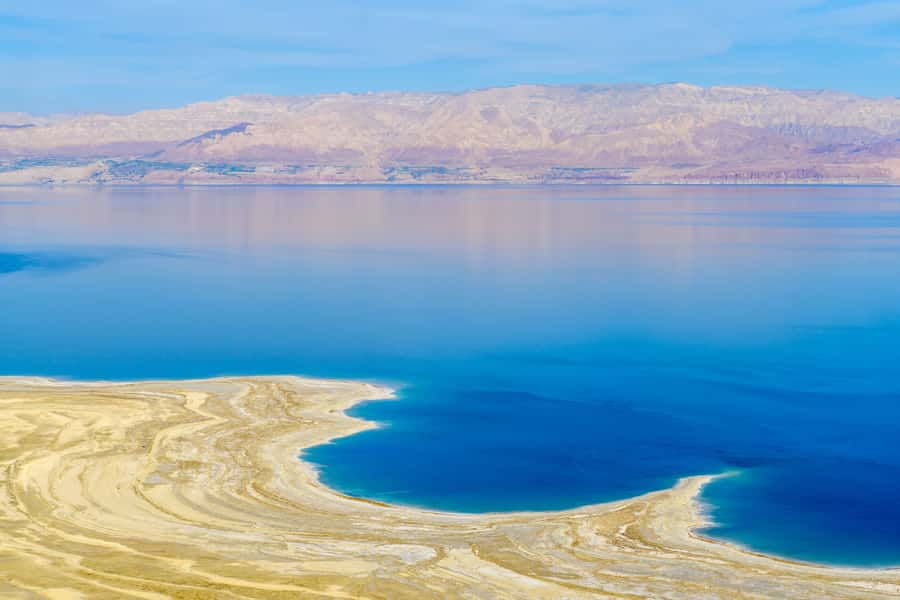
Reviewed · MASADA TOURS
From Ashdod Port: Masada and Dead Sea Guided Day Trip
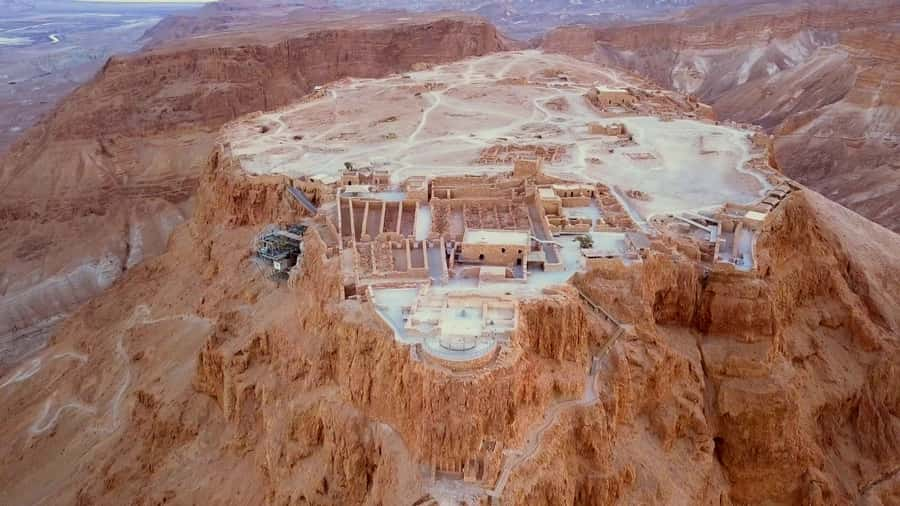
Masada rises from the Judean Desert like a giant stone ship, with the Dead Sea far below and a cable car carrying you to its flat summit. You’ll walk among King Herod’s palace rooms, Roman bath remains, storerooms, mosaics, and guard posts while your guide explains how this fortress became a refuge and later a rebel stronghold. The views are the star, but the site’s story gives them weight.
I like the combination of serious archaeology and pure holiday pleasure. You get a guided visit to one of Israel’s most important ancient sites, then time to float in the Dead Sea at Ein Bokek. I also like the practical port-to-port plan, which includes transport and entrance fees instead of leaving you to arrange a long desert journey on your own.
The main concern is timing. This is a long day with a fixed return to Ashdod, and any late port arrival can shorten the program. The Dead Sea can also be uncomfortably hot, as one August visitor found, so the advertised 1.5 hours at the beach may feel like plenty rather than too little.
Key points to know before booking
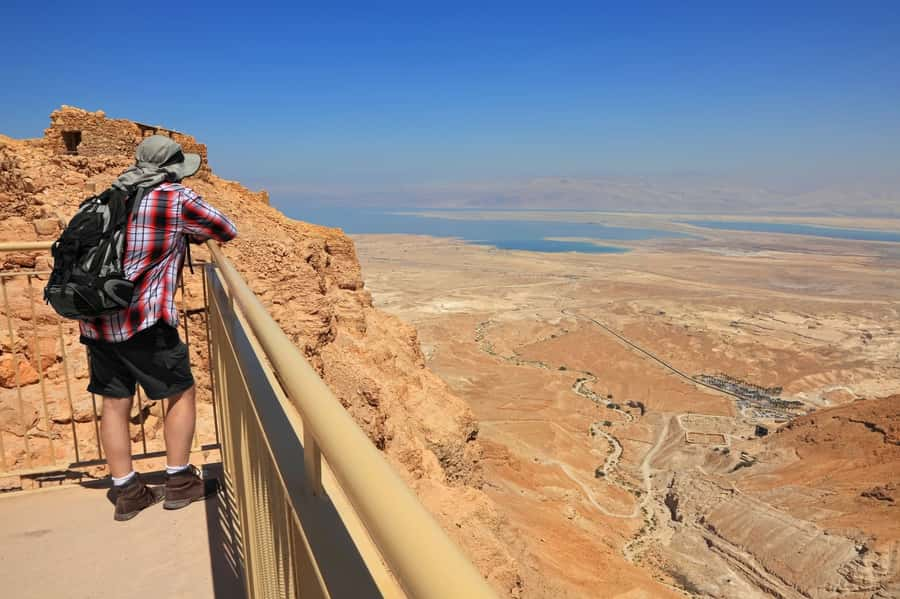
- Masada is reached by cable car, so you can visit the summit without making the steep climb on foot.
- The Dead Sea stop lasts about 1.5 hours, enough for floating, mud treatment, and a quick beach break.
- The drive takes you below sea level, with a photo stop at the sign marking the descent.
- The tour costs $120 per person, including round-trip port transport, guide service, and entrance fees, but not food or drinks.
- Your ship’s docking time matters, since departures after 8:00 AM may force a shortened visit.
- The experience is not suited to children under five or people with limited mobility.
From Ashdod Port to the Judean Desert
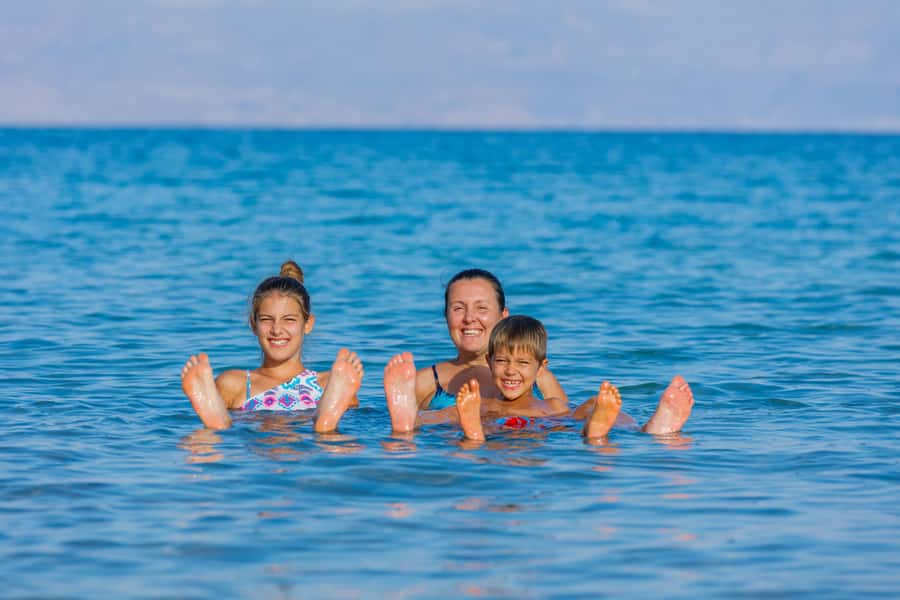
This trip is designed for cruise passengers, not independent visitors staying in Israel. Your guide from Bein Harim meets you at Ashdod Port holding a sign marked Bein Harim, so the first task is finding the correct person after you leave the ship.
The planned schedule runs from about 8:00 AM to 5:00 PM. That nine-hour window includes the outward drive, the Masada visit, the Dead Sea stop, lunch time, and the return to Ashdod through Arad. You need to provide your ship’s name and scheduled docking time when booking. This is not a minor formality: the operator uses that information to judge whether the full route can fit before your ship sails.
As you leave the port, the scenery changes steadily. The road heads south toward the Judean Mountains, then drops sharply toward the Dead Sea. One of the simple pleasures of the drive is watching the elevation change in real time. The group pauses at a sign marking the point below sea level, giving you a quick photo stop and a useful sense of the region’s unusual geography.
The road itself is part of the experience. You move from the Mediterranean side of Israel toward a dry desert basin, with the hills and open spaces becoming more pronounced. The guide provides commentary during the journey. One particularly strong account praised the explanation of Masada and the running commentary about Israel on the way there, while noting that the return drive was quieter. That is worth knowing if you expect a constant stream of narration.
More ways to climb Masada:
- From Tel Aviv: Masada & Dead Sea Full Day Tour with Pick Up
★ 4.5 · 1,496 reviews - Masada and the Dead Sea Day Trip from Tel Aviv
★ 4.5 · 1,014 reviews - From Jerusalem: Masada & Dead Sea Full Day Tour with Pick Up
★ 4.5 · 815 reviews
Masada by cable car and on foot
Masada is a massive rock outcrop rising about 434 meters, or 1,424 feet, above the surrounding desert. Herod the Great built his palace-fortress here between 37 and 31 BC, using the isolated summit as a protected retreat and royal complex.
The cable car is a major practical advantage. You reach the summit without tackling the exposed trail, then walk across the relatively level top with your guide. You should still wear comfortable shoes, since the site involves uneven archaeological surfaces, open courtyards, and walking between several remains.
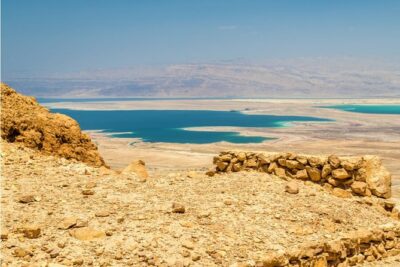
At the top, the view does much of the talking. The Dead Sea lies below, and the desert stretches toward the horizon. It is a place where geography explains the site’s purpose. Masada is hard to reach, easy to defend, and visually commanding. You can see why it appealed to Herod as a private fortress and why it later served as a refuge for Jewish rebels.
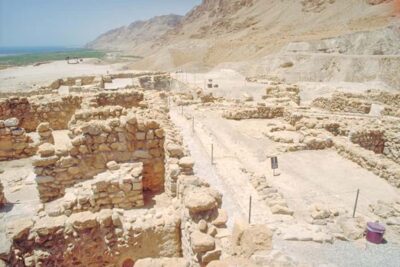
The ruins give the visit substance. You may see remains of:
- Herod’s palaces
- A Roman bathhouse
- Storerooms
- Guardhouses
- Mosaics
- Defensive structures
- Other palace and settlement remains
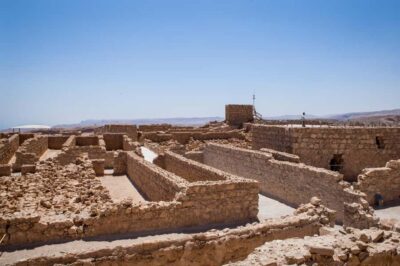
A guide matters here because many of the ruins are partial walls, foundations, and fragments. Without context, you might walk past a room without understanding its use. With an explanation, the summit becomes a functioning complex rather than a collection of stones.
The story of Masada is also emotionally charged. Herod’s building program shows the wealth and power of the Roman period, while the later rebel history gives the site a very different tone. Your guide will connect the remains to both periods, helping you understand that Masada was not built for just one chapter of history.
The summit can be hot and exposed. Bring a hat, sunglasses, sunscreen, and water. The tour is not recommended for people with mobility impairments, and the cable car does not remove every walking demand. If you have difficulty with uneven ground or extended standing, this may not be a comfortable stop.
At the foot of Masada, you may have time for the Masada Museum. It contains more than 500 objects found at the site, along with an informative film about Masada’s past. The exact amount of museum time depends on the day’s schedule and the group’s arrival and departure times, so you should treat it as a possible addition rather than the main feature.
The Dead Sea at Ein Bokek
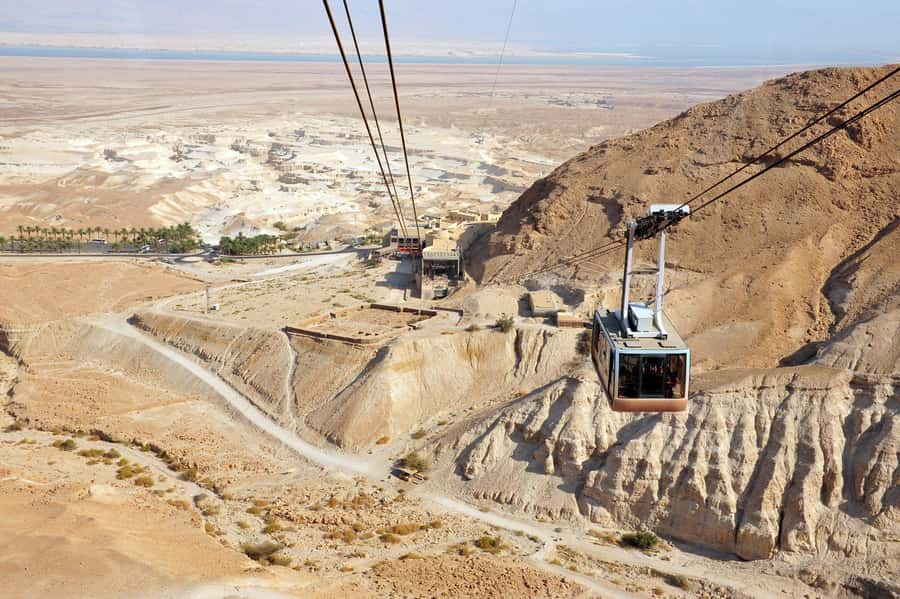
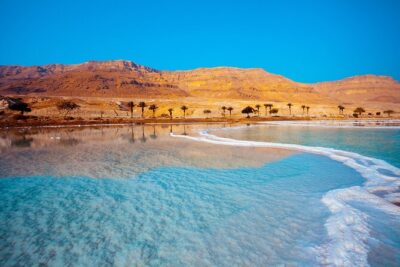
After Masada, the tour continues to Ein Bokek, a hotel and resort area on the Dead Sea shore. This is the lighter half of the day. After the archaeology and walking, you get time to sit, float, and experience the unusual water.
The beach stop lasts about 1.5 hours. That gives you enough time to change, enter the water, try the famous floating sensation, and use the black mineral-rich mud if you wish. The Dead Sea is so salty that your body remains buoyant, making it difficult to sink. You should not treat it like an ordinary swimming pool, though. The goal is to float calmly, not splash or swim vigorously.
The mud is part of the classic Dead Sea experience. You can spread it on your skin, allow it to dry, and rinse it off in the water. The water and mud are widely associated with therapeutic effects for the body and soul, but this tour presents the experience rather than promising a medical treatment. If you have a health concern, use your own judgment about entering the water.
Bring a towel and swimwear. Sandals or other water shoes are especially useful because the seabed can be slippery. Avoid shaving immediately before the stop, since salt water can sting irritated skin. That last tip is general practical advice for salt water, not a promise that the tour provides special facilities.
Heat can shape this part of the day. In August, the Dead Sea was described as incredibly hot, limiting time in the water despite the experience being memorable. You may find that 1.5 hours is a sensible limit in hot weather. The sun is strong, and the surrounding desert offers little relief, so sunscreen, water, and a hat are essential.
The beach stop is also where the tour’s pacing becomes apparent. If you want a long spa-style afternoon, this excursion may feel rushed. If you want a first taste of floating in the Dead Sea after visiting Masada, the time should be enough.
Lunch, transport, and what the $120 covers
Food and drinks are not included. Lunch is planned either at a restaurant near Masada or at the beach, depending on how the day is moving. You should budget separately and carry water from the start, especially in warm weather.
At $120 per person, the price is reasonable for a cruise-port excursion that includes round-trip transportation, a professional guide, entrance fees, and the cable-car visit to Masada. The value is strongest if you want both major sights in one day and do not want to arrange a private vehicle from Ashdod.
You are also paying for the return-to-ship structure. A missed sailing can be far more costly than a tour, so the planned drop-off at Ashdod is important. The operator is obligated to return you for the scheduled departure, which means the route is built around the ship’s timetable rather than your preferred pace.
The tradeoff is flexibility. You cannot simply spend another hour at Masada if the group is behind schedule, and you cannot turn the Dead Sea stop into a full afternoon. If your ship docks after 8:00 AM, the tour may be shortened and some planned sites may be left out.
The tour has an overall rating of 4.4 from 54 ratings, but the individual experiences show why you should read the cancellation terms carefully. Two cruise passengers reported losing money after their cruise lines canceled Israel calls, and one said a promised refund did not arrive. Other cancellations were connected to cruise changes after the war began. Since port calls can change for reasons outside the tour operator’s control, confirm the current cancellation conditions before you book and keep all refund correspondence.
A few more Dead Sea half-days to weigh up
- Masada and the Dead Sea Day Trip from Jerusalem
★ 4.5 · 757 reviews - From Jerusalem: Dead Sea Chill Out Half-Day Trip
★ 4.7 · 165 reviews - Day Trip: Masada Sunrise, Ein Gedi, and Dead Sea from Tel Aviv
★ 4.0 · 116 reviews - From Jerusalem: Masada Sunrise, Ein Gedi & Dead Sea Day Trip
★ 3.9 · 67 reviews
Timing, heat, and physical effort
The route is ambitious for one day. You spend several hours in a vehicle, walk around an exposed archaeological site, then change for a Dead Sea stop before returning to port. It is rewarding, but it is not a slow-paced outing.
You should be comfortable with:
- A full nine-hour day
- Walking on uneven surfaces at Masada
- Sun and heat
- Getting in and out of transport
- A fixed return schedule
- Limited time at each main stop
The tour is not suitable for children under five. It is also not advisable for people with mobility impairments. The cable car helps with the climb, but it does not make the summit fully accessible.
English and Spanish guiding are available. No guide name is provided in the tour details, so you cannot request a particular guide based on this information. Commentary quality can shape the day, especially at Masada, where the ruins need explanation. The strongest account available praised the guide’s clear Masada history and comments during the outward drive, while finding the return less talkative.
Security issues, holiday events, or access limits can occasionally change the route. A particular site may be skipped if conditions make it impractical. That is frustrating if you have planned the day around one stop, but it is a normal consideration for a port excursion in a region where access can change.
Who should book this Ashdod shore excursion?
I would choose this tour if you have one day in port and want Israel’s most distinctive contrast: an ancient fortress above a desert basin followed by a float in extremely salty water. It gives you the two experiences most cruise passengers hope to fit into the region without having to hire separate transport.
It suits you best if you value efficiency, guided context, and ship-safe timing over independence. It is also a good match if Masada is high on your list but you do not want to make the long journey alone.
I would hesitate if you dislike long drives, need a relaxed schedule, or want extended time at the beach. Hot weather can reduce the comfort of the Dead Sea stop, and a late ship arrival can cut the plan further.
For most physically able cruise passengers, the strongest reason to book is the pairing of two very different places in one day. Just bring water, sun protection, proper footwear, and realistic expectations about the clock. Confirm your ship’s docking time carefully, and remember that the $120 price does not include lunch or drinks.
FAQ
How long does the tour from Ashdod Port last?
The planned duration is nine hours, with an example schedule from 8:00 AM pickup to 5:00 PM drop-off at Ashdod Port.
What does the $120 price include?
The price includes round-trip transportation from Ashdod cruise port, entrance fees, and a professional guide. Food and beverages are not included.
How much time do I get at the Dead Sea?
You spend approximately 1.5 hours at Ein Bokek beach, where you can float in the water, use Dead Sea mud, and relax.
Is the Masada cable car included?
Yes. The tour includes a cable-car ride to Masada’s summit, followed by a guided visit to the archaeological remains.
What languages are available?
Live guiding is available in English and Spanish.
What should I bring to the tour?
Bring your passport, comfortable shoes, sunglasses, a hat, swimwear, a towel, sunscreen, and water. Sandals or suitable water shoes are recommended because the Dead Sea seabed can be slippery.
Just added around Dead Sea
- private Full-day Tour to Jericho + the Dead Sea★ 5.0 · 3 reviews
- Jerusalem and Dead Sea Trip from Tel Aviv★ 4.0 · 6 reviews
- Dead Sea, Masada at Sunrise and Ein Gedi Tour from Tel Aviv★ 4.5 · 35 reviews
- GoKEDEM Masada, DeadSea Camel Ride & Beduin Feast Tour From Tel Aviv★ 4.0 · 6 reviews
- Along the Dead Sea exciting Private Tour★ 5.0 · 6 reviews
- From Tel Aviv: Masada, Ein Gedi and Dead Sea★ 4.0 · 23 reviews
- From Tel Aviv: Masada Sunrise, Ein Gedi & Dead Sea★ 4.5 · 6 reviews
- Masada and Dead Sea from Tel Aviv★ 4.5 · 3 reviews
Masada Tours, compared.
Masada & Dead Sea Full Day Tour with Pick Up
Read our review →
Masada and the Dead Sea Day Trip from Tel Aviv
Read our review →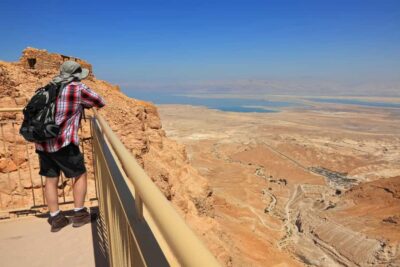
Masada and the Dead Sea Day Trip from Jerusalem
Read our review →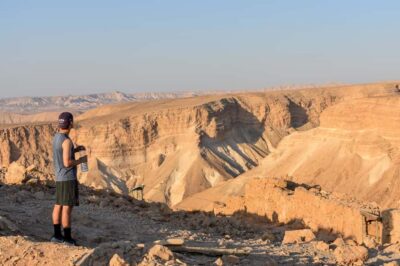
Masada, Ein Gedi, and The Dead Sea from Tel Aviv
Read our review →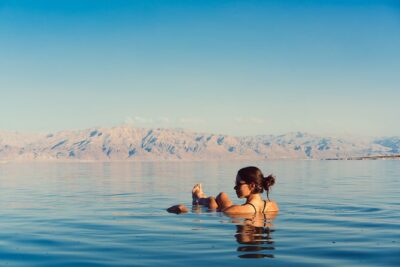
Masada, Ein Gedi and The Dead Sea from Jerusalem
Read our review →Browse the lists this tour appears in