
Reviewed · CAESAREA & ACRE TOURS
From Jerusalem: Caesarea, Haifa, Acre & Rosh Hanikra Tour
Caesarea’s Roman amphitheater, Haifa’s mountain gardens, and Rosh Hanikra’s wave-cut caves give this tour a remarkable range in one long day. You move from imperial ruins to a modern holy site, then on to a rugged coast and a living old city in Acre.
I especially like the four very different stops and the fact that the tour includes entrance fees, transport, and Jerusalem hotel pickup. I also like the chance to see Acre and Haifa, both connected with UNESCO recognition, without arranging several separate day trips. The tradeoff is clear: this is a lot of road time, with a 5:40 AM pickup and a packed schedule that leaves limited room for lingering.
Key points to know before booking

- Caesarea’s Roman amphitheater and Hippodrome reveal the scale of Herod’s port city.
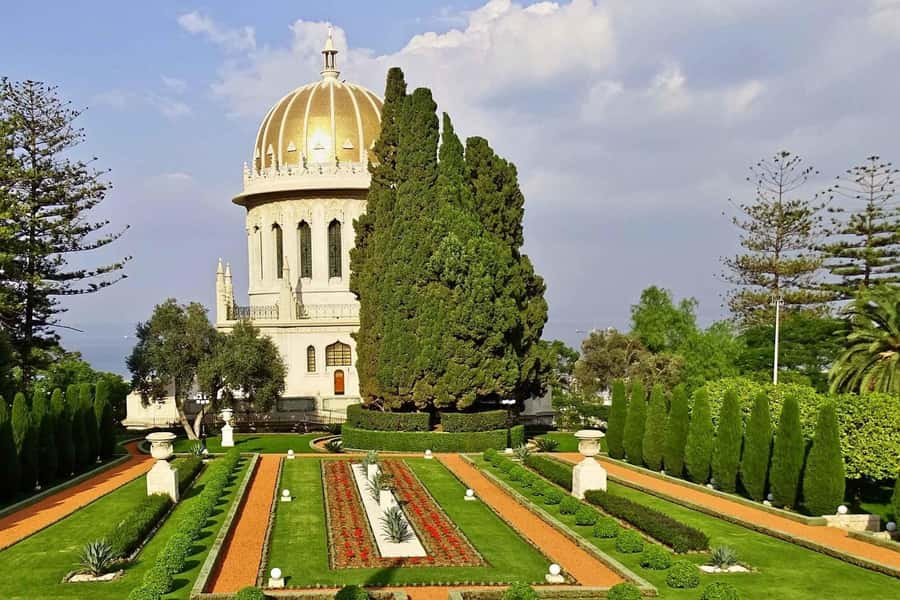
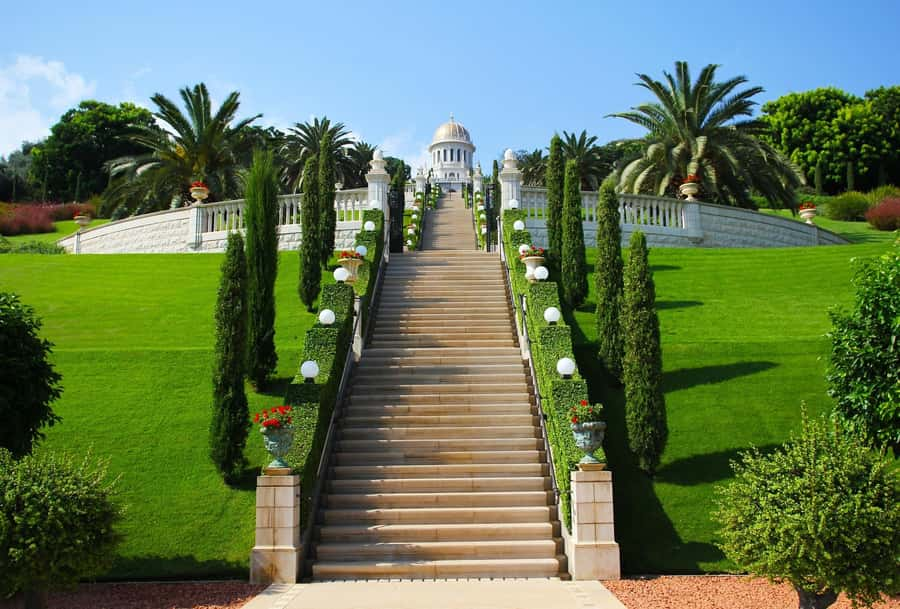
- Haifa’s Baha’i gardens are seen from Mount Carmel, with 19 carefully arranged terraces dropping toward the city.
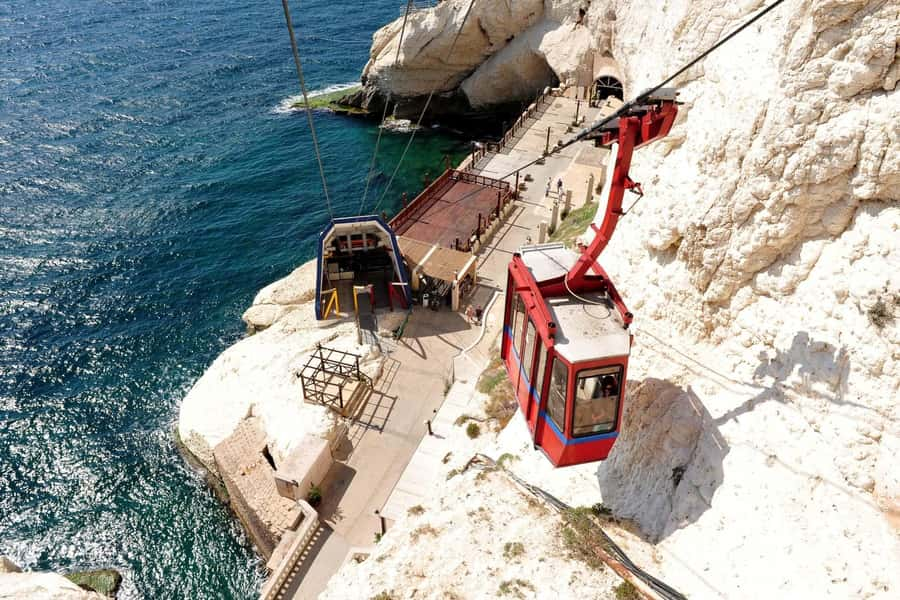
- Rosh Hanikra’s cable car carries you down to limestone grottoes shaped by the sea.
- Acre’s Crusader remains and Ottoman-era defenses bring together several layers of local history.
- Guide Omri received special praise for his guiding on one of the strongest reviews.
- The 5:40 AM start and long drive make comfortable shoes, water, and patience essential.
Four coastal highlights in one demanding day
This is a greatest-hits trip along Israel’s northern Mediterranean coast. From Jerusalem, you head north past Herzliya and Netanya before reaching Caesarea, then continue to Haifa and Rosh Hanikra. Acre comes on the return southbound leg.
That route makes good geographic sense, but it also explains the early start and the long day. You are not simply visiting one site at a relaxed pace. You are covering a large section of coast, with a guide adding historical context as the scenery changes.
I would choose this trip if you want a broad first look at northern Israel and prefer one organized day to several separate transport arrangements. I would not choose it if you want long meals, unhurried photography, or time to explore each site at your own pace.
The tour uses an air-conditioned coach and includes hotel pickup and drop-off from Jerusalem’s main hotels. Food and drinks are not included, so bring water and plan for a day when you will need to buy or carry your own meals.
More Caesarea, Acre and Rosh Hanikra days:
- From Tel Aviv: Caesarea, Haifa and Akko Day Trip
★ 4.4 · 744 reviews - Caesarea, Rosh Hanikra and Acre Day Trip from Tel Aviv
★ 4.5 · 406 reviews - Caesarea, Haifa & Akko Day Trip from Jerusalem
★ 4.3 · 96 reviews
Caesarea, where Herod built a Roman port
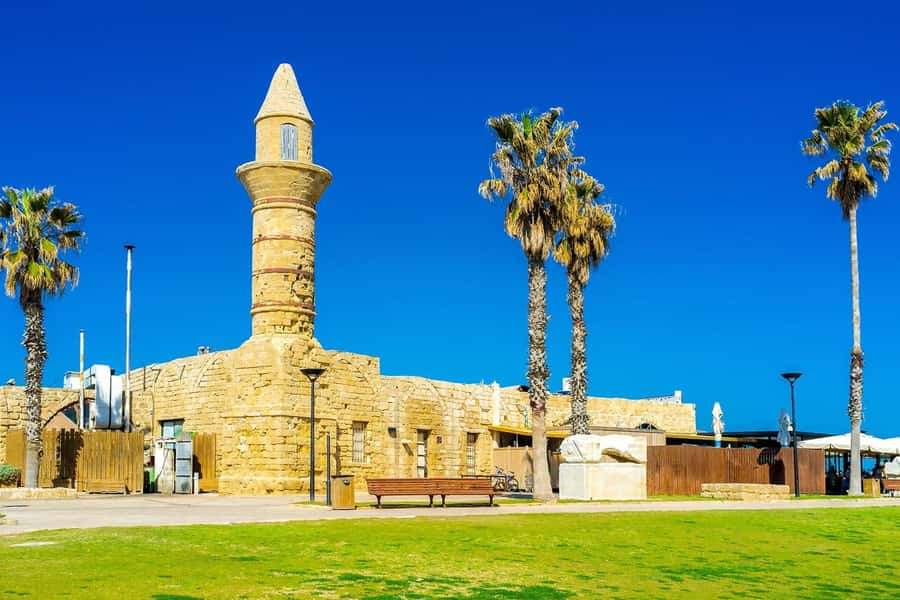
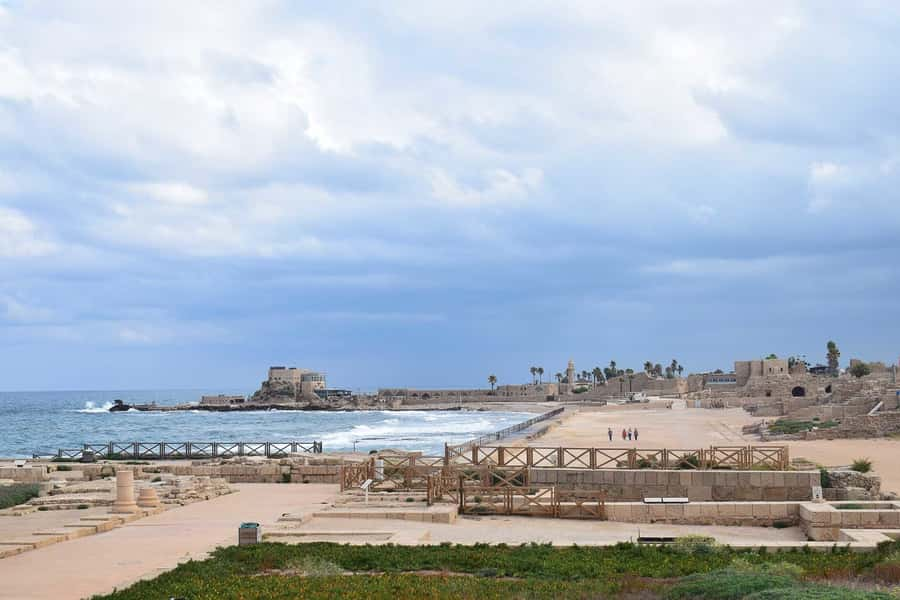
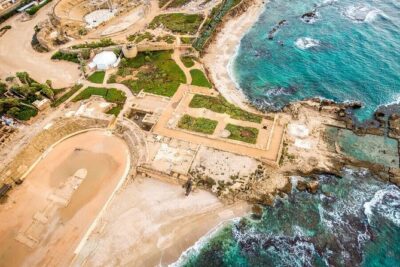
Caesarea is the first major stop, and it gives the day its strongest ancient-world opening. Herod built the city and named it for Caesar, turning this stretch of coast into a major port linked to Rome and the eastern trade routes.
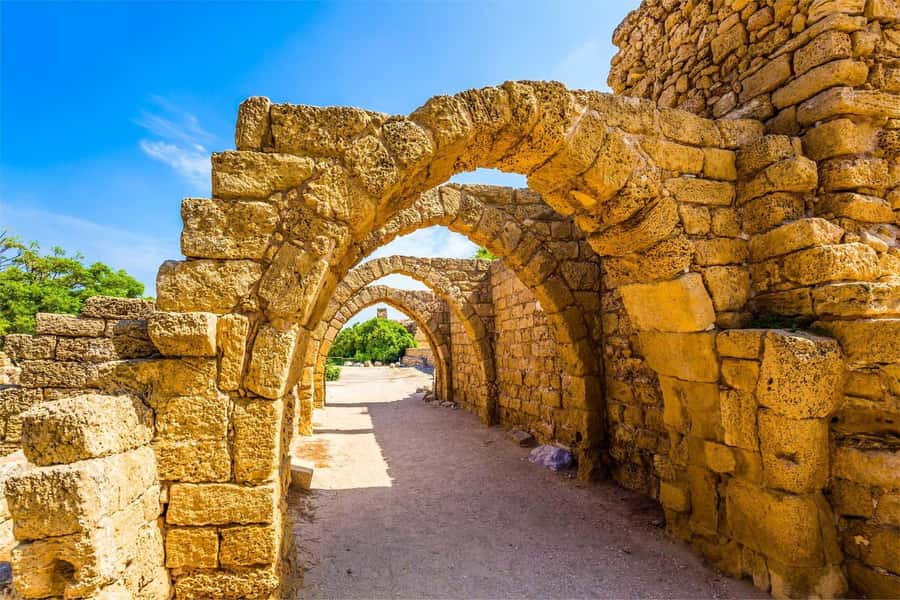
As you walk through the archaeological area, you can see gateways, a moat, walls, and surviving rooms. The remains help you picture Caesarea not as an isolated ruin, but as a planned city built around commerce, power, and access to the sea.
The Roman amphitheater is the clearest crowd-pleaser. Its shape remains easy to read, and it is still used for performances by Israeli and international artists. That modern use gives the ruin a sense of purpose rather than making it feel like a silent pile of stones.
Near the amphitheater are the remains of the Hippodrome and a Roman temple. The Hippodrome once hosted public events, while the temple and port area reflected the city’s political and religious importance. Your guide can connect these structures to the ships carrying goods from the east and the Nabatean caravans traveling toward Rome.
I like Caesarea because the site offers visible scale. The amphitheater, Hippodrome, port, and defensive features show how ambitious Herod’s project was. You get a better sense of the city’s former importance than you would from a small ruin with only a few standing walls.
The less appealing part is that the stop may feel short compared with the size of the site. The city changed greatly after the Crusader period and eventually slipped into decline, but a one-day route cannot cover every corner or explain every phase in equal detail. Pay close attention to the guide, since the story helps the scattered stones make sense.
Haifa’s 19 terraces on Mount Carmel
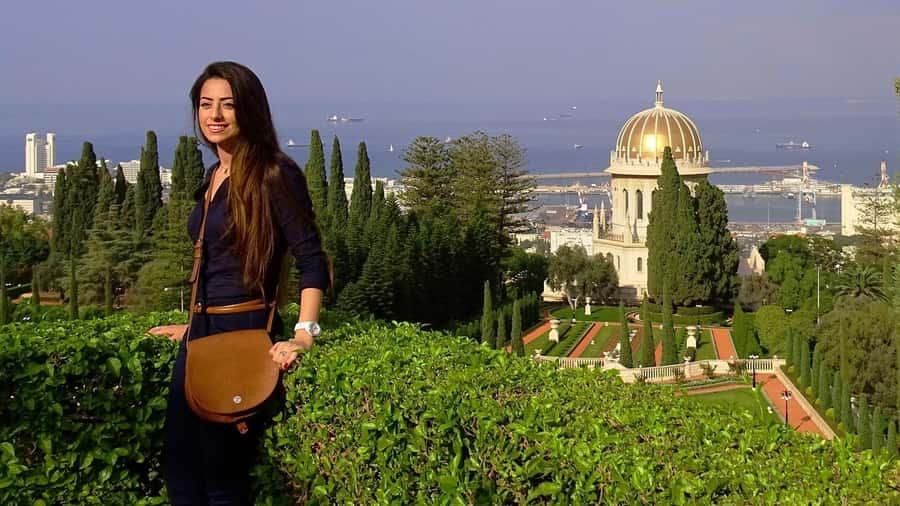
The next major stop is Haifa, where the Baha’i Shrine and gardens occupy the slopes of Mount Carmel. The gardens are arranged in 19 terraces, with flowers, clipped plantings, paths, and formal designs descending toward the city.
This is a very different experience from Caesarea. Instead of exposed Roman structures, you see order, symmetry, and a carefully maintained religious site set above Haifa. The view over the city adds to the stop, especially after the open coastal drive.
The visit focuses on the gardens and shrine rather than a long independent tour of Haifa. That makes the stop visually strong but relatively concentrated. You will want to have your camera ready and listen for the guide’s explanation of the site.
The gardens are also one reason this tour works well for someone who wants more than archaeology. The day includes ancient ruins, a major religious center, natural sea caves, and an old walled city. That variety keeps the route from feeling like four versions of the same stop.
Haifa is identified with UNESCO World Heritage recognition in the tour description, as is Acre. You should understand that the visit here is primarily a viewpoint and garden visit, not an extended study of every part of the city or Baha’i history.
Rosh Hanikra and the cable car to the sea caves
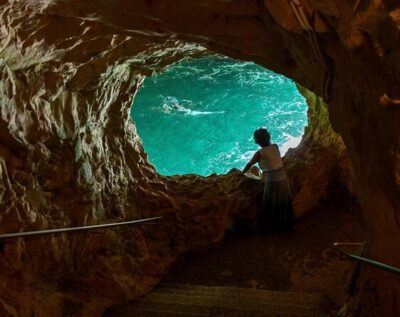
At Rosh Hanikra, the tour reaches the most dramatic natural setting of the day. This is the northernmost point along Israel’s Mediterranean coast, where waves have cut into the limestone and formed a network of grottoes.
The cable car carries you down from the cliff area to the caves. That short ride is part of the appeal. Instead of approaching the grottoes through a long hike, you descend directly toward the rock formations and sea.
Inside, expect a compact visit shaped by the natural contours of the caves. The constant force of the waves has created passages and openings in the limestone. Light, water, and rock make this stop feel different from the formal gardens and straight Roman walls earlier in the day.
I would rate Rosh Hanikra as the most memorable stop for anyone who likes scenery and unusual transport. The cable car adds a simple thrill, while the caves provide a close look at the coast’s geology.
Conditions at the coast can affect how the grottoes feel on the day. The supplied details do not promise a specific amount of time inside or describe every facility, so treat this as a focused stop rather than a long coastal outing. Comfortable shoes matter here, as they do throughout the tour.
A few more Jerusalem half-days to weigh up
- Walking Tour of Akko (Half-day)
★ 5.0 · 84 reviews - Caesarea, Acre & Rosh Hanikra Day Trip from Jerusalem
★ 4.0 · 78 reviews - Unforgettable Tour to Caesarea, Haifa, Acre and Rosh HaNikra from Tel Aviv
★ 4.0 · 56 reviews - Tel Aviv/Jerusalem: Caesarea, Haifa & Akko Day Tour
★ 4.5 · 53 reviews
Acre, where an old city still feels lived in

Acre, also called Akko, comes on the return journey south. It is described as the country’s largest Crusader city, and its appeal comes from the way old fortifications, underground remains, markets, and homes fit together.
The city is not only an archaeological park. People still live in and move through its ancient buildings, while markets bring daily activity into the historic quarter. That gives Acre a stronger sense of present-day life than a site preserved entirely behind gates.
The walls and moat are major sights. They were reconstructed and repaired by El Jazzar in the late 1900s, and they helped protect Acre from attack. The fortifications were strong enough to frustrate Napoleon, an important detail that makes the walls easier to appreciate.
The Crusader remains offer another layer. You can also see a prison used under Turkish rule and gallows connected with the British Mandate. Those gallows relate to the British restrictions on Jewish immigration to Palestine after World War II, and they bring the tour into much more recent and painful history.
Acre rewards careful listening because its story moves through several powers and periods. Crusader rule, Ottoman rule, the British Mandate, and modern daily life all appear within the same old city. The architecture is impressive, but the real value is seeing how a historic center can remain part of ordinary life.
The drawback is time. Acre deserves more than a quick glance, especially if you want to explore side streets or spend time in the markets. On this itinerary, you get a useful introduction rather than a complete visit.
What the long coach ride means for you
The distance from Jerusalem to the northern coast is the central practical issue. The tour begins at 5:40 AM, and the route includes four major destinations spread across a broad area.
The air-conditioned coach makes the journey easier, particularly during warm weather. You can also watch the coast and towns pass by, including Herzliya and Netanya. Still, several hours of driving are built into the day, and one French-language comment described the amount of road time as a major concern.
The guide is important here. Short site visits can feel thin if nobody explains what you are seeing. The strongest feedback singled out the guide, with Omri receiving special praise for an excellent tour. Other positive comments also point to a kind guide and useful explanations of the places visited.
The comments about the guiding are not entirely uniform. One assessment found the comments brief and considered the price extremely high. That is a fair warning: the quality of your day depends partly on how much historical detail the guide provides and how efficiently the group moves.
Because there is no listed food or drink provision, I would carry water and a meal or substantial snacks. The early start makes breakfast especially important. Comfortable shoes are specifically advised, and they are a sensible choice for uneven archaeological surfaces, old-city walking, walls, and the cave stop.
Does the tour offer good value?
No tour price is supplied here, so I cannot judge the exact cost. I can judge what the package includes: hotel pickup and drop-off from Jerusalem, an air-conditioned coach, a professional English-speaking guide, and all entrance fees.
That bundle has real value if you would otherwise need to arrange transport to four separate locations. Rosh Hanikra in particular is easier with an organized route, since the day combines the cable car visit with sites much farther south.
The value is weaker if your priority is depth at one place. You are paying for range and convenience, not a slow archaeological study of Caesarea or a full day in Acre. The schedule also means you may spend more time seeing highlights than wandering independently.
I would compare this tour with the cost and hassle of arranging northern transportation yourself, not just with the price of a single attraction. If you want to see all four places from a Jerusalem base, the included transfers and entrances can justify a higher price. If you already plan to stay in Haifa or Acre, separate local visits may give you more time and flexibility.
Who should book this northern Israel day trip?
I would recommend it to you if:
- You are staying in Jerusalem and want to reach northern sites without changing hotels.
- You prefer a guide to explain Roman, Crusader, Ottoman, British, and modern history.
- You enjoy a fast-moving day with several distinct stops.
- You want both famous sights and a natural attraction.
- You are comfortable with an early start and long coach sections.
I would hesitate if you want a relaxed pace, long restaurant stops, or substantial free time. Families and older visitors should also think about the full-day length and walking surfaces, although the supplied information does not provide detailed accessibility guidance.
The tour suits a first visit particularly well. It gives you a useful map of the coast, from Caesarea in the south to Rosh Hanikra in the north, with Haifa and Acre between them. You may leave wishing for more time at Acre or Caesarea, but you will have seen the main character of the region.
Final verdict: book it for range, not leisure

Book this tour if your goal is to cover four major northern sights from Jerusalem in one day. The combination of Roman ruins, formal gardens, sea caves, and Crusader walls is hard to match in a single outing, and the included transport and entrance fees remove much of the planning burden.
Skip it if the long road time bothers you or if you want to explore each place slowly. The best reason to go is variety, with Omri’s well-regarded guiding adding value when available. The main cost is your time and energy. For a packed first look at Israel’s Mediterranean north, that trade can be worthwhile.
FAQ
What time does pickup begin?
Pickup from Jerusalem’s main hotels begins at 5:40 AM.
How long does the tour last?
The experience lasts one full day.
Is hotel pickup and drop-off included?
Yes. Pickup and drop-off from Jerusalem’s main hotels are included.
What language is the tour conducted in?
The live guided tour is conducted in English.
Are entrance fees included?
Yes. All entrance fees are included.
Is food included?
No. Food and drinks are not included, so you should plan to bring or purchase them during the day.
What should I bring?
Comfortable shoes are specifically recommended. Bringing water is also practical because food and drinks are not included.
Can I cancel for a full refund?
You can cancel up to 24 hours in advance for a full refund. The activity also offers a reserve-now, pay-later option.
Just added around Jerusalem
- Tel Aviv & Old City of Jaffa – Tiny group from Tel Aviv★ 4.5 · 9 reviews
- Tel Aviv; Jaffa Old City, Port & Shuk Hapishpishim Walking Tour★ 4.5 · 11 reviews
- Discover the Secrets of the Underground Jerusalem with a private tour★ 5.0 · 4 reviews
- Private Tour : Jerusalem Old City Day Trip from Tel Aviv★ 5.0 · 19 reviews
- Private Tour from Tel Aviv to Jerusalem★ 5.0 · 3 reviews
- Luxury Private Tour to Jerusalem from Tel Aviv★ 5.0 · 22 reviews
- Tel Aviv Airport (TLV) to Jerusalem Hotels – Private Transfer★ 4.0 · 19 reviews
- Palm Sunday in Jerusalem: Mass at Bethpage and Via Dolorosa Procession with Transport from Tel Aviv★ 5.0 · 3 reviews
Caesarea & Acre Tours, compared.
Caesarea, Rosh Hanikra and Acre Day Trip from Tel Aviv
Read our review →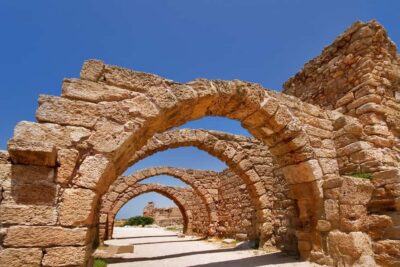
Caesarea, Acre & Rosh Hanikra Day Trip from Jerusalem
Read our review →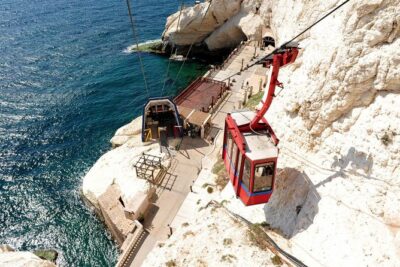
Unforgettable Tour to Caesarea, Haifa, Acre and Rosh HaNikra from Tel Aviv
Read our review →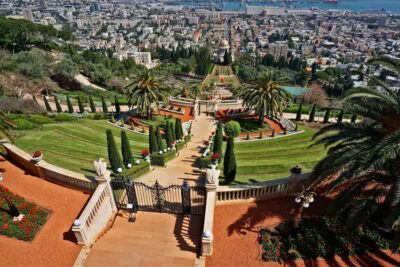
Tel Aviv/Jerusalem: Caesarea, Haifa & Akko Day Tour
Read our review →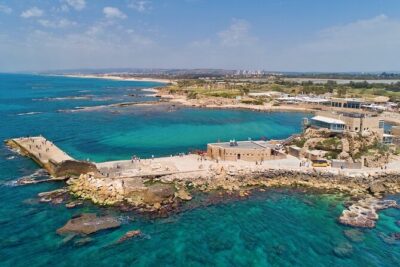
Browse the lists this tour appears in