
Reviewed · WORKSHOPS
Galilean Cooking Workshop 2-4 particpants
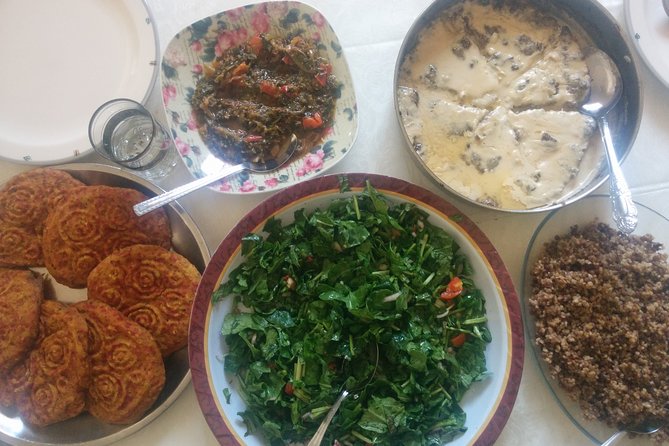
The best part of this experience is the move from the family living room to the kitchen. You begin with traditional coffee and an introduction to Druze life, then work with the family to prepare a real lunch of seasonal Galilean food. Makluba, hubeza, and sinya give the meal a clear local identity rather than turning it into a generic cooking class.
I like the small private format, which leaves room for questions and conversation. I also like the human side of the visit: Paul can help with translation and history, while the family shares its home, food, and customs directly with you. The main consideration is price. At $410 per person, this is a costly three-hour activity, so its value depends on how much you want personal contact and a home-based meal rather than a standard restaurant lunch.
Key points to know before booking
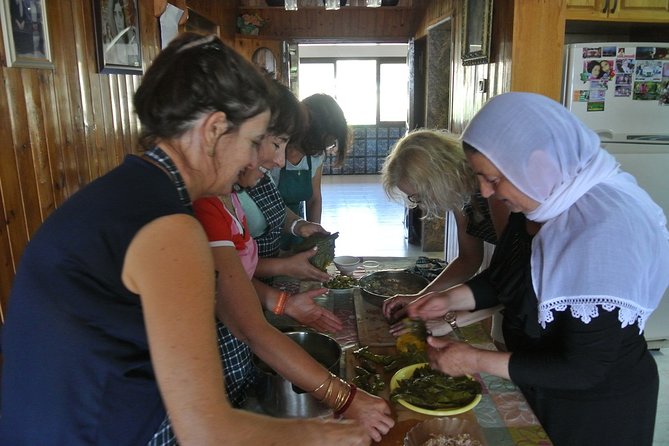
- Cook in a Druze family kitchen: You learn about Druze beliefs and culture before preparing lunch with your hosts.
- Expect hands-on work for about 1.5 hours: This is participation, not a cooking demonstration from the sidelines.
- Try distinctive Galilean ingredients: Wild greens, smoked green wheat, and seasonal vegetables may appear in the menu.
- Share the finished meal at the family table: Lunch is included, and the social setting is central to the experience.
- Private group format: Only your party takes part, with a stated minimum of four people per booking.
- Plan around the 11:00 am start: The activity begins in Karmiel and ends back at the meeting point after about three hours.
From Karmiel to a family kitchen near Haifa
This experience begins at 11:00 am in Karmiel, in Israel’s Galilee region, and finishes at the same meeting point. The description places the family kitchen in a village near Haifa, so you should pay close attention to the exact meeting instructions supplied after booking.
The setting matters. You are not simply being shown a regional menu by a chef in a commercial studio. You are entering a family home, meeting the people who cook the food, and learning how a meal fits into local life. That makes the visit feel more personal, but it also means you should come ready for a home visit rather than a polished restaurant service.
The activity lasts about three hours. That is long enough to cover introductions, cooking, and lunch without taking up your entire day. If you are planning a full day around Tiberias, Haifa, or another Galilee stop, the 11:00 am start still leaves part of the afternoon free, though the time spent getting to Karmiel should be considered separately.
Other Galilee days people book alongside this one:
- From Tel Aviv: Guided Day Trip to Nazareth & Sea of Galilee
★ 4.4 · 824 reviews - From Jerusalem: Nazareth and Sea of Galilee Tour
★ 4.5 · 588 reviews - Nazareth and the Sea of Galilee Day Trip from Tel Aviv
★ 4.5 · 541 reviews
Coffee, introductions, and Druze culture
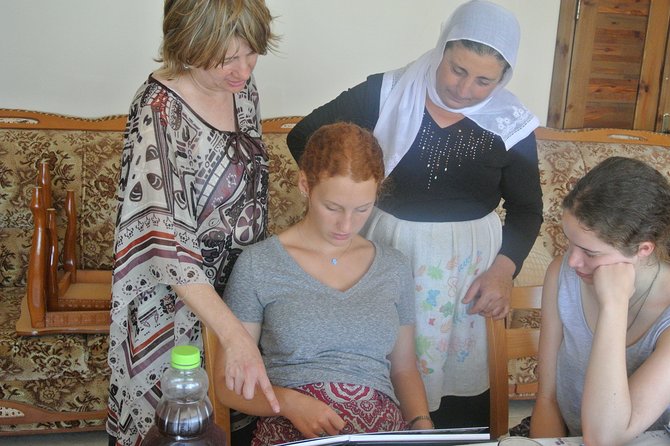
The visit begins with traditional coffee and introductions to the family. This first part is more than a polite welcome. It gives you a chance to understand who is hosting you and to hear explanations of Druze beliefs and culture before you start cooking.
That context adds value to the meal. Food makes more sense when you know something about the people preparing it and the traditions that shape daily life. Paul is described as helping with translation and history, which can be useful when the conversation moves beyond recipes and into family background, local customs, and Druze identity.
The quality of this part will depend partly on the questions you bring. Ask about the dishes as you go. Ask how seasonal ingredients are used, why a particular spice or green belongs in a recipe, or which foods are made for family occasions. A private group gives you more room for this than a large class would.
You should also keep your expectations sensible. The supplied information does not promise a formal lecture, a museum-style presentation, or a long cultural program. Think of it as an informal introduction at the family home, supported by a local guide.
One and a half hours of hands-on cooking
After the introductions, you move into the kitchen for about 1.5 hours of cooking. This is the heart of the activity. You do not simply watch a host prepare lunch. You work with the family and help produce the meal you later eat.
The menu is seasonal, so the exact dishes can vary. Possible local favorites include makluba, an upside-down rice and vegetable dish often prepared in a single pot; hubeza, a wild mallow green used in regional cooking; and sinya, a baked dish associated with the Levant. The menu may also feature wild greens, smoked green wheat, and local vegetables.
That changing menu is a strength for anyone interested in food as it is actually cooked at home. You are not guaranteed the same fixed plate every month, and that is part of the point. Seasonal cooking shows you what the region uses at a particular time rather than presenting a standard menu disconnected from the calendar.
It can also be a small drawback. If you have your heart set on one particular dish, ask about the expected menu before booking. The experience promises a seasonal Galilean meal, not a guaranteed list of recipes.
Cooking time should suit families and food lovers who like to take part. Children may enjoy the practical work, though the supplied information does not specify age limits or child-focused instruction. If you are booking with children, discuss their needs when arranging the visit.
What makes the ingredients taste like Galilee
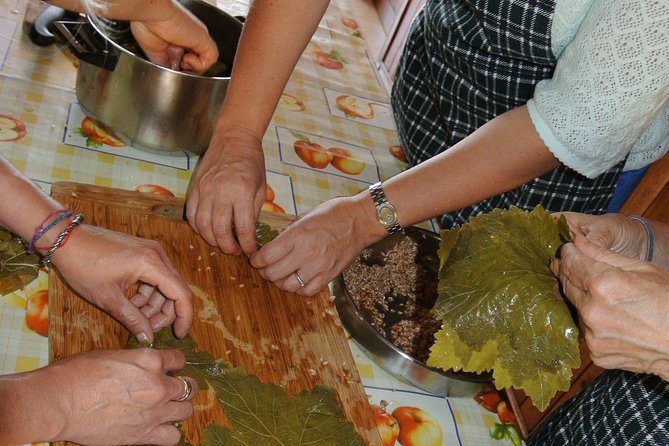
The food is not presented as a broad survey of Israeli cuisine. It focuses on the Galilee and on ingredients tied to the local kitchen. Wild greens and smoked green wheat are especially useful clues to what makes the meal different from an ordinary home-cooking class.
Wild greens bring a seasonal, earthy quality to food, while smoked green wheat adds a distinct taste and texture. Regional vegetables help keep the menu connected to the area. You may find the food less familiar than standard restaurant dishes, which is a benefit if you want to learn something new.
The cooking also gives you practical clues that a menu alone cannot provide. You can see how ingredients are handled, how dishes are assembled, and how several foods come together as one family meal. Even if you do not leave with a formal recipe booklet, you should come away with a better sense of how Galilean home cooking works.
The information does not promise that every recipe will be taught in exact written form. If you want to recreate a dish, take notes and ask questions during the preparation. The private setting should make that easier than it would be in a crowded class.
A few more Galilee half-days to weigh up
- Professional Surfing lessons in the heart of Tel Aviv
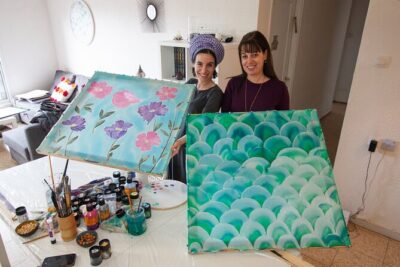
★ 5.0 · 11 reviews - Private Silk Wall Hanging Painting Workshop in Jerusalem
★ 5.0 · 11 reviews - Tel Aviv: Professional Surfing Lessons at Beach Club TLV
★ 3.3 · 5 reviews - Private Silk Painting Workshop in Jerusalem – Create a scarf –
★ 5.0 · 4 reviews
Sitting down to the lunch you prepared
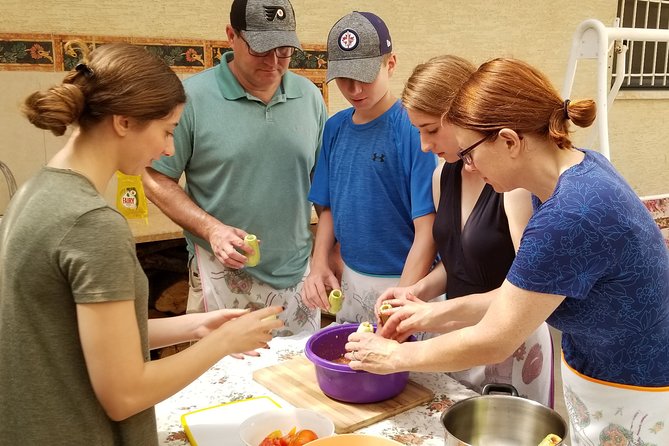
Once the cooking is finished, you sit with the family and eat the meal. Lunch is included, but the value is not only the food. Sharing the meal at the family table completes the visit in a way that a quick tasting would not.
This is where the experience shifts from a class to a social visit. You have already handled the ingredients and helped prepare the dishes. Eating them with the people who showed you how to make them gives the lunch a stronger sense of connection.
I would allow time for conversation here rather than treating lunch as a rushed final stop. The supplied timing gives the full activity about three hours, including introductions, cooking, and eating, so the meal is part of the planned experience.
There is no promise of a particular number of courses or a set dining time. If you have food allergies, dietary restrictions, or religious food requirements, tell the provider when booking. Vegetarian food is available if requested in advance. Do not wait until you arrive, since the menu is planned around the group.
Why the private format matters
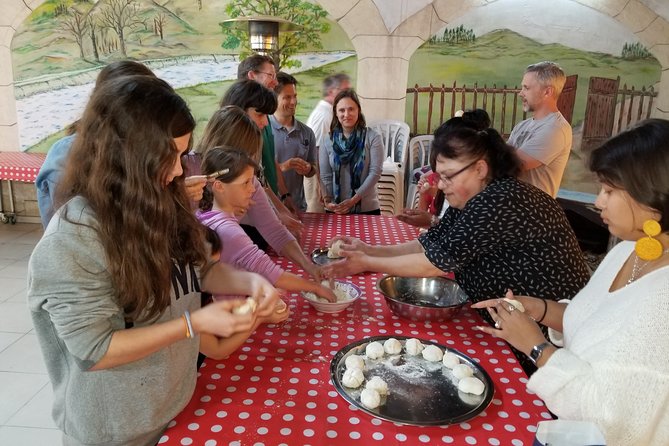
This is a private activity, meaning only your group participates. The listing is presented for two to four participants, but the additional information says a minimum of four people per booking is required. That conflict should be clarified before you pay. In practical terms, you should plan on needing four people unless the provider confirms a different arrangement.
For a group of friends or a family, the private format is a clear advantage. You can ask questions without holding up strangers, work at your own pace, and focus on the parts of Druze culture or Galilean food that interest you. It also makes the family setting feel less intrusive than a large crowd arriving together.
The same feature makes the experience less suitable for solo visitors or couples unless they can join with enough people to meet the booking minimum. The advertised group discount may help larger parties, but no discount amount is provided, so ask for the final price before booking.
At $410 per person, this is not a bargain cooking lesson. The cost needs to cover more than ingredients. You are paying for a private host family, a local guide, translation and cultural explanation, a meal, and a three-hour visit. That can be worthwhile if personal contact is your main goal.
If your priority is learning a large number of recipes at the lowest possible price, a standard cooking school will likely offer better value. If your priority is sharing time with a local family and understanding the food in its cultural setting, the higher price is easier to justify.
The role of Paul and the local guide
A local guide is included, and Paul is identified as an important part of the experience. His role includes translation and history, which can make a major difference in a private home setting where conversation may otherwise be limited by language.
Good translation does more than convert words. It helps explain a joke, a family story, a cooking method, or a cultural point that might be lost in a quick exchange. It also lets you ask more detailed questions and follow the conversation at the table.
The guide is not described as the person doing all the cooking. The family hosts you and leads the home-based portion, while the guide helps connect you with them. That division is a positive feature: you get direct contact with the family rather than a guide speaking for them from a distance.
The experience has earned a 5 out of 5 rating from 27 reviews, with 100 percent recommending it. The strongest praise centers on the welcome from the hosts, the help with translation and history, and the feeling of being treated as part of the household for the visit. Those qualities are more important here than polished kitchen equipment.
Who will get the most from this visit
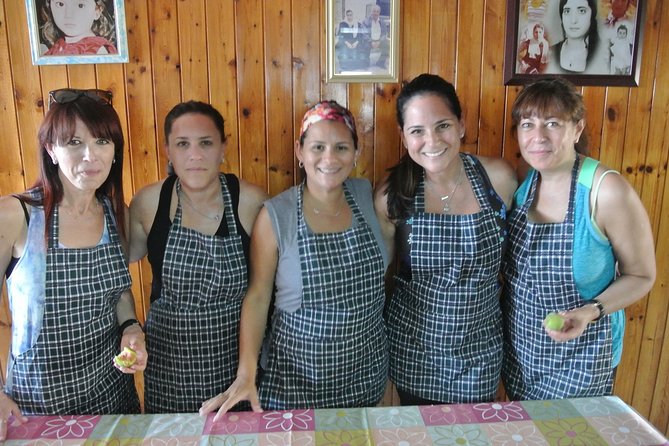
I would recommend this experience most strongly to:
- Families who want a shared activity beyond sightseeing
- Couples or friends who can meet the four-person booking minimum
- Food lovers interested in seasonal and regional cooking
- People who value home visits and conversation over formal instruction
- Visitors who want an introduction to Druze culture alongside lunch
It may be less suitable if you need a tightly scripted class, a guaranteed menu, or a low-cost meal. It also may not work for a small party if the minimum of four cannot be met.
The experience is a particularly good choice for anyone who feels that restaurants only show one part of a place. Eating in a family home lets you see food as part of daily life, hospitality, and identity. That is the main reason to book it.
Practical planning for a smooth visit
Confirmation is received at booking, and you should provide dietary requirements at that point. Vegetarian food is available with advance notice. The activity includes the equipment needed for the cooking session, lunch, the local guide, taxes, fuel surcharges, and service fees.
The meeting point is in Karmiel, and the activity returns there at the end. Since the experience is also described as being in a village near Haifa, check the precise pickup and meeting details carefully. The information provided does not include hotel pickup, so do not assume transportation from Tiberias or another city is included.
The start time is 11:00 am. Arrive ready to begin the family visit, not expecting a separate breakfast or an early market stop. Wear practical clothing suitable for kitchen work, although no specific dress code is given.
Free cancellation is available if you cancel at least 24 hours before the local start time. Cancellations made within 24 hours are not refunded, and late changes are not accepted. That is worth noting because the activity requires advance menu planning and a host family’s time.
Should you book this Galilean cooking workshop?
Book it if you want a personal, home-based experience built around food, conversation, and Druze culture. The family welcome, the chance to cook for 1.5 hours, Paul’s help with translation and history, and the shared lunch all work together to create something more meaningful than a restaurant meal.
Think carefully before booking if $410 per person feels high for three hours, or if you want a formal class with a fixed recipe list. Confirm the four-person minimum, the exact meeting location, the expected seasonal menu, and any dietary arrangements before paying.
For the right group, this is a strong choice. You leave with more than a full stomach. You gain a practical look at Galilean cooking and a direct connection with a local family, which is exactly where the experience earns its price.
FAQ
Where does the cooking workshop start?
The activity starts in Karmiel, Israel, at 11:00 am.
Where does the activity finish?
The activity ends back at the meeting point in Karmiel.
How long does the experience last?
The workshop lasts approximately three hours.
How much does the experience cost?
The listed price is $410 per person.
How many people are required to book?
The additional information states that a minimum of four people per booking is required. The experience is described as being for two to four participants, so you should clarify this difference with the provider before booking.
Is this a private activity?
Yes. Only your group participates.
Is lunch included?
Yes. You eat the meal prepared during the workshop, and lunch is included in the price.
Is a vegetarian option available?
Yes. A vegetarian option is available if you request it when booking.
Can I cancel for a full refund?
Yes, if you cancel at least 24 hours before the experience start time. Cancellations made less than 24 hours in advance are not refunded.
Just added around Galilee
- Sea of Galilee – Off the Beaten Track★ 5.0 · 3 reviews
- A Day of Spiritual Discovery in the Upper Galilee★ 5.0 · 7 reviews
- Tour The Mystical City Of Safed★ 5.0 · 11 reviews
- Druze Culinary Tour of the Western Galilee★ 5.0 · 6 reviews
- The Golan heights★ 5.0 · 4 reviews
- Sea of Galilee, Capernaum and Nazareth Day Trip from Tel Aviv★ 4.0 · 6 reviews
- Private tour: Around the Sea of Galilee.★ 5.0 · 7 reviews
- GoKEDEM Golan Heights ATV Action & Wine-Tasting Tour From Tel Aviv★ 5.0 · 8 reviews
Workshops, compared.
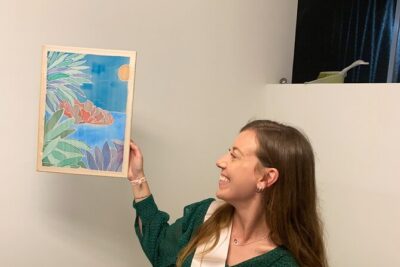
Private Silk Wall Hanging Painting Workshop in Jerusalem
Read our review →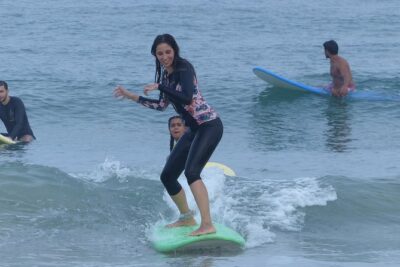
Professional Surfing lessons in the heart of Tel Aviv
Read our review →
Private Silk Painting Workshop in Jerusalem – Create a scarf –
Read our review →
Browse the lists this tour appears in