
Reviewed · CAESAREA & ACRE TOURS
Caesarea and Haifa Private Tour from Tel Aviv
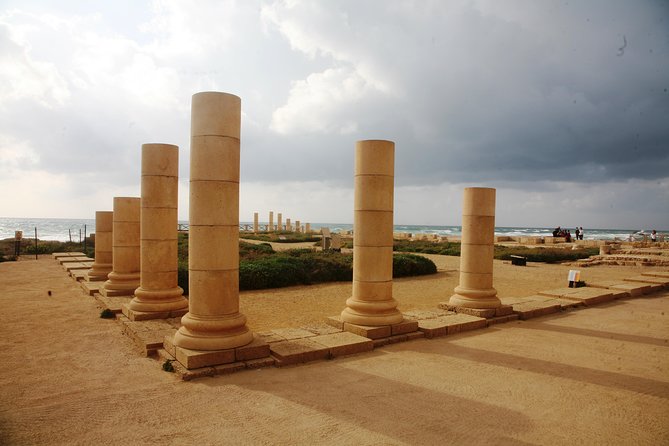
Caesarea is the star here: a Roman theater, Herod’s harbor, palace ruins, baths, hippodrome, Crusader walls, and a remarkably intact aqueduct all fit into one archaeological park. Then the tour shifts to Haifa, where mountain views, several faiths, and the formal Baha’i Gardens give the day a very different rhythm.
I like the private vehicle and dedicated guide, especially because Caesarea’s many ruins make more sense when someone explains what you are seeing. I also like the mix of Roman, Crusader, Christian, Jewish, Muslim, and Baha’i settings. The main drawback is the price: at $1,149 for up to four people, this makes the most sense for a small group that values privacy and direct hotel pickup.
Key points at a glance
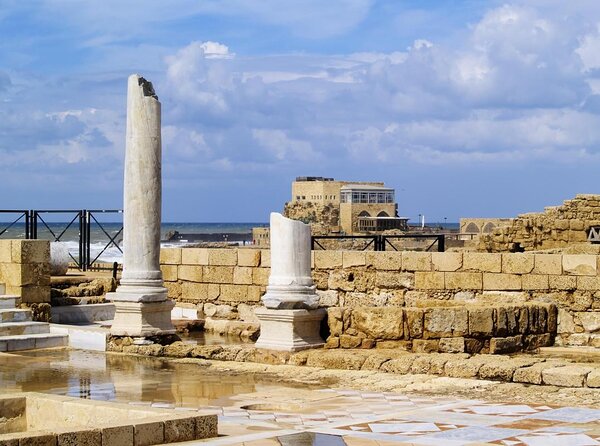
- Roman Caesarea in two hours: See Herod’s theater, harbor, palace area, hippodrome, baths, villas, Crusader citadel, and aqueduct.
- Private transport from three coastal areas: Pickup and drop-off are offered from hotels in Tel Aviv, Herzliya, or Netanya.
- A strong Haifa viewpoint stop: Travel down Mount Carmel toward the sea and pause for views over the city.
- The Baha’i Gardens require proper clothing: Shorts and sleeveless clothing are not permitted.
- Several faiths and eras in one day: The route links Roman, Crusader, Christian, German Protestant, and Baha’i landmarks.
- Best value for up to four people: The group price works better when shared, since the vehicle and guide are private.
From Tel Aviv to Roman Caesarea
The day begins at 9:00 a.m. with hotel pickup in Tel Aviv, Herzliya, or Netanya. You ride in a private vehicle, so you are not working around a large group or waiting for multiple hotel stops. That matters on a six to seven-hour outing, especially when the route already covers a fair stretch of Israel’s northern coast.
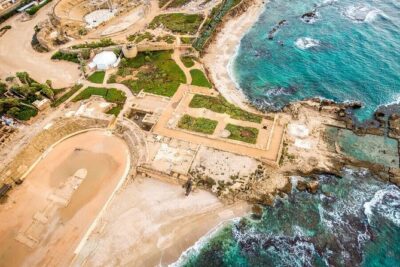
Your first stop is Caesarea National Park, with about two hours set aside for the archaeological area. Caesarea was built by King Herod as a Roman city, and the remains let you follow the site’s development across roughly 2,000 years.
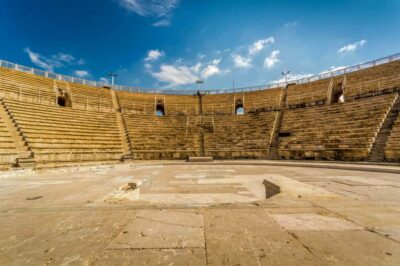
Start with the Roman theater, said to have held more than 3,000 people. It is an easy place to picture public performances in the ancient city, and a guide can help you separate the original Roman features from later changes. The theater also gives the visit a clear starting point before you move through the larger, more scattered site.
From there, the route includes Herod’s palace area, Roman villas, and hot baths. You reach some of these remains by walking along the hippodrome, another reminder that Caesarea was not simply a small port settlement. It was planned as a major city with public entertainment, grand residences, and facilities for daily life.
More Private Tours in the Northern Coast
- Haifa Culinary Private Tour
★ 5.0 · 38 reviews - Haifa Highlights Private Tour
★ 5.0 · 20 reviews - Druzeland – Cultural Private Tour on Mt. Carmel
★ 5.0 · 8 reviews
Herod’s harbor and the Crusader walls
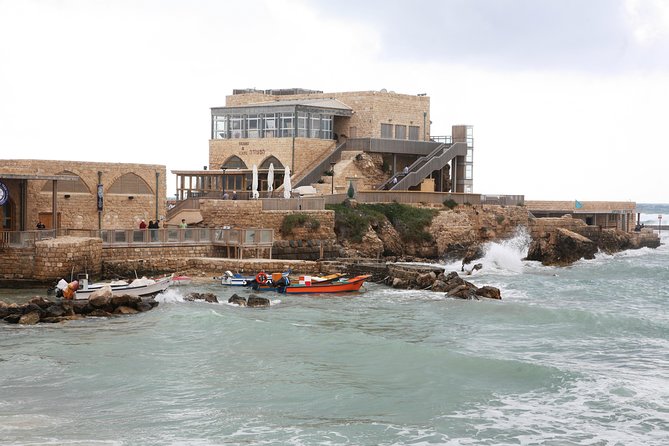
The harbor is one of Caesarea’s most striking subjects. Herod built it as a major port, and the tour places it within the larger story of how this coastal city connected to the Roman world. The remains are spread around an open archaeological setting, so comfortable shoes are sensible even though the tour description does not list a formal walking difficulty.
The site also includes medieval Caesarea. You will see the Crusader citadel, city walls, towers, and other defensive features. This change from Roman imperial city to medieval fortified town is one of the tour’s best teaching moments. You are not looking at one frozen period. You are watching one coastal location get reused by different powers over many centuries.
The Roman aqueduct is the final major Caesarea sight. It is especially useful because it shows the practical side of ancient engineering. The theater and palace suggest power and spectacle, while the aqueduct explains how a large city supported itself. The description calls it perfectly preserved, so allow time to appreciate its long, straightforward lines rather than treating it as a quick photo stop.
Admission to Caesarea National Park is not included. Factor that extra cost into your budget before booking. The other listed stops do not have separate admission charges.
Modern Caesarea and the road north
The itinerary also includes modern Caesarea and the Ralli Art Museum complex. The supplied details do not specify how much time is spent inside the museum, so you should ask your guide about the exact schedule if art is a major reason for choosing this outing.
This is a useful contrast with the archaeological park. Modern Caesarea gives you a sense of how an old site continues to function beyond its ancient remains. Still, the tour’s strongest historical content is concentrated in the national park, and the two-hour allocation means you will need to keep moving if you want to cover all the listed ruins.
After Caesarea, you continue north toward Haifa. The private format helps here because your guide can adjust the conversation to your interests. You can ask more questions about Roman rule, the Crusader period, modern Haifa, or the city’s religious communities without competing with a busload of people for attention.
Haifa from Mount Carmel to the sea
Haifa is Israel’s third-largest city and spreads along the slopes of Mount Carmel. The tour allows about two hours for Haifa itself, separate from the 30-minute Baha’i Gardens stop and the 30-minute visit to Stella Maris Monastery.
The route takes you down the slopes toward the sea, with a viewpoint stop on Mount Carmel. This is where Haifa’s unusual setting becomes clear. The city is not laid out on one flat plain. Its hills, sea, neighborhoods, and ports create a layered view, and the guide’s commentary adds context about the mix of languages and religions found here.
I like this part of the day because it gives you time to look beyond individual monuments. Caesarea is mainly an archaeological site. Haifa is a living city, and its character comes from the way different communities and periods overlap. The tour does not treat Haifa as just a place to snap a garden photograph and leave.
The two-hour Haifa portion is not a full city tour. You should think of it as a focused introduction with selected viewpoints and landmarks. If you want extensive time in markets, museums, or neighborhood streets, this schedule may feel tight.
More Caesarea, Acre and Rosh Hanikra days:
- From Tel Aviv: Caesarea, Haifa and Akko Day Trip
★ 4.4 · 744 reviews - Caesarea, Rosh Hanikra and Acre Day Trip from Tel Aviv
★ 4.5 · 406 reviews - Caesarea, Haifa & Akko Day Trip from Jerusalem
★ 4.3 · 96 reviews - Walking Tour of Akko (Half-day)
★ 5.0 · 84 reviews
The Baha’i Gardens and their strict dress code
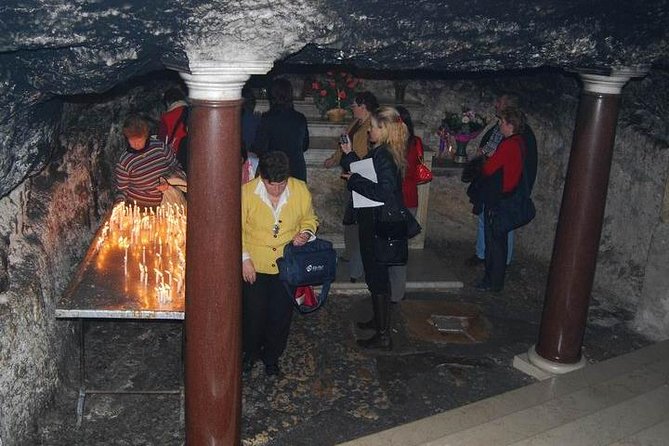
The Baha’i Gardens are one of Haifa’s defining sights and a UNESCO World Heritage Site. The gardens descend in carefully arranged terraces, with a view over the city and the sea. The stop is scheduled for about 30 minutes, enough for a look, photographs, and an introduction to the Baha’i faith, but not enough for a slow garden visit.
The top viewpoint is the key moment. From there, the terraces create a strong sense of order and scale, while Haifa spreads below. This is one of the places where the private guide is useful, since the visual design alone does not explain the beliefs and traditions connected with the site.
Pay close attention to the clothing rule. Shorts and sleeveless clothing are not permitted at the Baha’i Gardens. This is not a minor packing note. Dress modestly from the start, especially if you are combining this tour with a warm-weather stay in Tel Aviv.
Admission to the gardens is listed as free, but access rules still apply. The gardens are a religious site, not just a public park, so follow your guide’s instructions and allow the visit to feel quieter than the archaeological stops.
Stella Maris and the German Colony
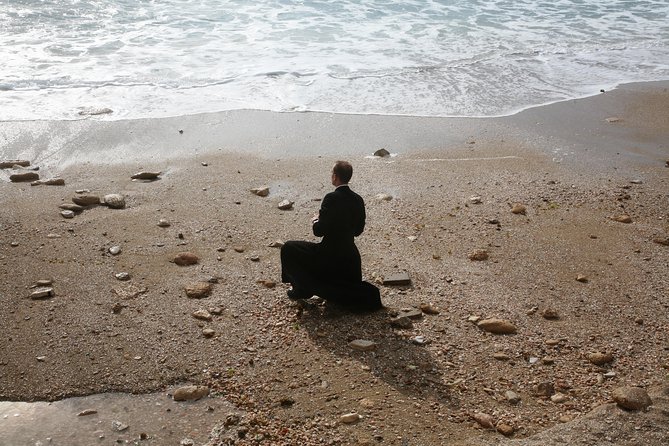
The Carmelite Monastery of Stella Maris is scheduled for 30 minutes. The church is associated with the Carmelite tradition and sits in a historic part of Haifa linked to early German settlers. Its architecture offers a sharp change from the Roman stonework at Caesarea and the formal lines of the Baha’i terraces.
The stop also provides a way to discuss the Jewish and Arab involvement connected with the foundations of Christian faith in the area. That makes Stella Maris more than an architectural photo stop. It links religious history with Haifa’s wider story of different communities living and working around Mount Carmel.
The German Colony receives another 30 minutes. German Protestant settlers established this 19th-century community, and the preserved settlement reflects an early period of modern development in Palestine. The area helps explain how Haifa changed long after the Roman and Crusader periods had passed.
Thirty minutes is enough for a short walk and an overview, not an extended neighborhood visit. I would use the time to focus on the preserved architecture and ask your guide how the colony fits into Haifa’s later growth. The tour description presents it as a place tied to the revival of local life about 150 years ago, so it adds useful modern context to a day otherwise dominated by ancient sites.
What the private format is worth
The cost is $1,149 per group of up to four people. That is a high total for a day trip, but the comparison changes when you divide it among a full group. Four people would pay about $287 per person before the Caesarea entrance fee and any food or drinks. For two people, the per-person cost is much higher.
You are paying for a private vehicle, hotel pickup and drop-off, a driver-guide, and a professional art historian guide. You also get a private activity with only your own group, which means you can ask questions freely and avoid the fixed pace of a large coach tour.
The value is strongest for families or friends who want a single vehicle and a guide focused on their interests. It is weaker if you mainly want transportation and brief photo stops, since the price includes a level of personal service that those visitors may not use.
Food and drinks are not included. Bring a plan for refreshments, or ask the guide about the day’s practical rhythm. The tour lasts six to seven hours, but the listed stops already fill much of that time.
Timing, comfort, and who should book
The tour is scheduled to start at 9:00 a.m. and return to your original departure point. Hotel pickup is available in Tel Aviv, Herzliya, and Netanya, which makes this convenient if you are based along that part of the coast.
The day combines outdoor archaeological walking, city viewpoints, religious sites, and short neighborhood visits. Wear comfortable shoes and clothing suitable for warm weather, but avoid shorts and sleeveless tops because of the Baha’i Gardens. Since the route includes open ruins and walking between remains, you should be prepared for sun and uneven surfaces, even though the supplied information does not give a formal accessibility rating.
Most people can participate, and the tour is operated by a multilingual guide. A professional art historian guide is included, which should appeal to you if you want more than basic transportation and landmark names. No individual guide name is provided, so if a particular language or specialist matters to you, confirm that before booking.
The tour suits first-time visitors who want to connect several northern highlights in one day. It also works well for people with limited time in Israel who would rather see a broad range of sites than spend a full day in one city.
It is less suitable if you prefer slow museum visits, long independent walks, or a relaxed schedule with plenty of free time. The route is ambitious, and each stop has a clear time limit.
Should you book this Caesarea and Haifa tour?
Book it if you are a small group that values a private guide, hotel pickup, and a well-organized route through several very different places. The best feature is the range: Roman Caesarea, Crusader defenses, Herod’s harbor, Mount Carmel views, the Baha’i Gardens, Stella Maris, and the German Colony all appear in one day.
Think twice if the $1,149 group price is difficult to share, or if you want to explore Haifa at a leisurely pace. The Caesarea entrance fee, food, and drinks cost extra, and the Baha’i Gardens dress rule requires planning.
For the right group, this is a strong choice for an informative northern-coast introduction. The private setting gives you room to ask questions, while the professional art historian guide can help turn a long list of sights into a connected story.
FAQ
How long does the tour last?
The experience lasts approximately six to seven hours, with a 9:00 a.m. start time.
Where is hotel pickup available?
Pickup and drop-off are offered from hotels in Tel Aviv, Herzliya, or Netanya.
Is the tour private?
Yes. Only your group participates, and the private vehicle and guide are provided for your party.
Is the Caesarea entrance fee included?
No. The entrance fee for Caesarea National Park is not included in the tour price.
What should I wear to the Baha’i Gardens?
Shorts and sleeveless clothing are not permitted at the Baha’i Gardens. Wear clothing that follows this rule for the visit.
Can I cancel for a full refund?
Yes, if you cancel at least 24 hours before the experience start time. Cancellations or changes made less than 24 hours before the start are not accepted for a refund.
Just added around Tel Aviv
- Private wine tour of Northern Israel★ 5.0 · 4 reviews
- Package VIP Skip Line Services in BGN Airport with Transfer to Tel aviv Hotels★ 5.0 · 3 reviews
- Israel Holy Land Christian Tour Package 7 days – Private Tour Package★ 5.0 · 31 reviews
- VIP Tel Aviv airport Terminal 3 Fast Track Skip Line From plane★ 4.5 · 9 reviews
- Tel Aviv and Jaffa Most Exciting Private Tour★ 4.5 · 13 reviews
- Food & Drink Private Guided Tour in Tel Aviv★ 5.0 · 3 reviews
- Tel Aviv & Jaffa Urban Bike Expedition★ 5.0 · 33 reviews
- Urban Walking & Food Tour in Tel Aviv★ 5.0 · 7 reviews
Caesarea & Acre Tours, compared.
Caesarea, Rosh Hanikra and Acre Day Trip from Tel Aviv
Read our review →
Caesarea, Acre & Rosh Hanikra Day Trip from Jerusalem
Read our review →
Unforgettable Tour to Caesarea, Haifa, Acre and Rosh HaNikra from Tel Aviv
Read our review →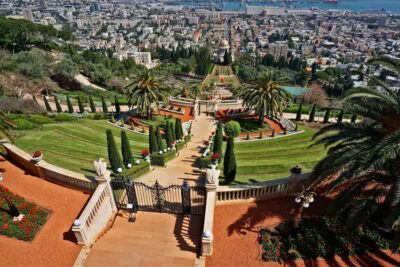
Tel Aviv/Jerusalem: Caesarea, Haifa & Akko Day Tour
Read our review →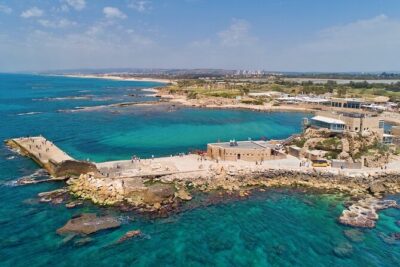
Browse the lists this tour appears in