
Reviewed · MULTI-DAY ISRAEL TOURS
16-Night Israel Jordan and Egypt Tour
This is an ambitious journey through three ancient countries in 17 days, linking Israel’s holy places, Petra’s rose-colored ruins, Sinai’s mountain, and Egypt’s great monuments. You get airport transfers, domestic flights, border assistance, hotels, many meals, and a Nile cruise without having to build the route yourself.
I like the sheer range of the trip, especially the chance to see Petra, the Giza pyramids, and the Nile temples in one booking. I also like the well-planned coverage of Israel, from Galilee and Caesarea to Jerusalem and the Dead Sea. The main concern is the Jordan-to-Egypt connection: after a full day in Petra, you face a border crossing and a nighttime climb of Mount Sinai, which can be tiring and poorly suited to anyone who needs a slower pace.
Key details to know before booking
- The route covers three countries: You begin at Ben Gurion Airport and finish at Cairo International Airport.
- The hardest stretch is Petra to Mount Sinai: You may leave Petra around 5:00 p.m., cross into Egypt, and climb Sinai at night for sunrise.
- Israel days begin early: Most pickups are around 7:20 a.m., with full sightseeing days and several long drives.
- A Nile cruise connects Aswan and Luxor: You visit Philae, Kom Ombo, Edfu, the Valley of the Kings, Karnak, and Luxor Temple.
- The advertised price is not the final cost: Add the $130 departure tax, a $60 Egypt visa, and a $75 Jordan visa per person.
- The tour suits fit, active sightseers: Expect walking, stairs, cable cars, border procedures, early starts, and a mountain climb.
A sweeping route from Tel Aviv to Cairo
At $3,478 per person, this tour is built for convenience rather than independence. You are paying for 15 nights of accommodation, 15 breakfasts, six lunches, three dinners, domestic flights, ground transport, border help, guided sightseeing, and a Nile cruise.
The required extras add $265 per person, bringing the known cost to $3,743 before any optional activities or other charges. Petra by Night costs about $15, and entry to the mummy room in Cairo is not included. The price can still be good value for such a complicated route, but you should budget beyond the headline figure.
The schedule is tightly packed. Most days run about eight to ten hours, and Day 6 lasts about 12 hours before the flight to Eilat. Group size can reach 50 people, although some sections may have far fewer participants. One account describes only two people on the Jordan-to-Egypt portion, so the feel of the tour may change from one section to another.
More multi-day trips starting in Tel Aviv:
- Fully Inclusive Private Customized Israel Tour
★ 5.0 · 34 reviews - 7-Night Israel Highlights and Bibleland Tour
★ 4.5 · 25 reviews - GoKedem 5-Day Private All-Inclusive Cross-Israel Adventure
★ 5.0 · 4 reviews
Tel Aviv, Galilee, and the Mediterranean coast
Your first night is in Tel Aviv after a transfer from Ben Gurion Airport. There is no scheduled sightseeing, which is sensible after an international flight. Use the evening to rest, since the next pickup is around 7:20 a.m.
Day 2 takes you north through the Armageddon Plain, with a view toward Megiddo and a stop at Mount Precipitation near Nazareth. In Nazareth, you visit the Church of the Annunciation and the nearby Church of St. Joseph. These places matter most if biblical history is a main reason for your trip, and the guide helps connect the sites to the stories behind them.
The route then passes Cana and reaches the Sea of Galilee. Capernaum, Mount Beatitude, and the Benedictine church linked with the multiplication of the loaves and fish fill out the day. You may also have the chance to enter the Jordan River at Yardenit for a baptism.
This is a full day with several religious sites, so it may feel repetitive if you are not particularly interested in Christian history. The benefit is that you see a broad section of northern Israel without changing hotels.
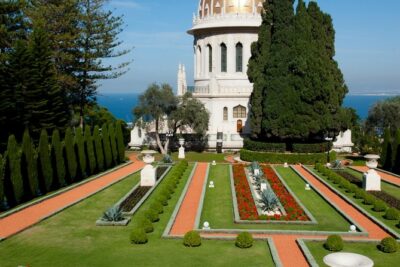
Day 3 follows the Mediterranean coast to Caesarea, where Roman ruins include a theater and hippodrome. In Haifa, the Baha’i gardens and shrine provide a change of mood, with carefully planned terraces and broad coastal views.
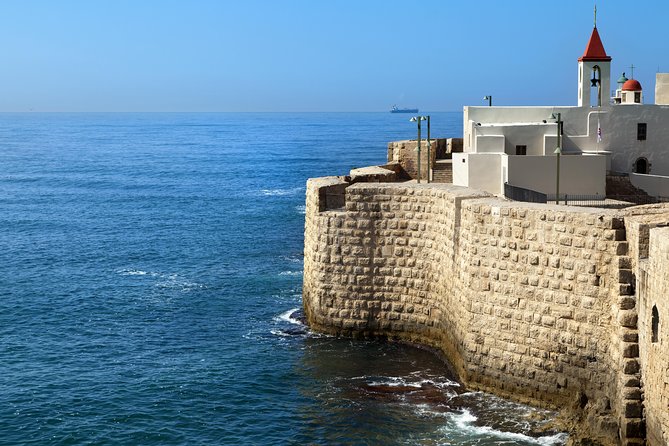
At Rosh Hanikra, a cable car takes you down to sea grottoes. The final stop is Acre, one of the country’s major Crusader cities. The Turkish prison also recalls a painful chapter of the British Mandate period, when Jewish prisoners were executed there.
This is one of the better-balanced days in Israel. You get Roman remains, modern religious architecture, sea scenery, and Crusader history. The drawback is distance. You spend much of the day in the vehicle, and the exact driving time depends on traffic.
Jerusalem, Bethlehem, and the Dead Sea
Jerusalem receives two major touring days, though both are packed.
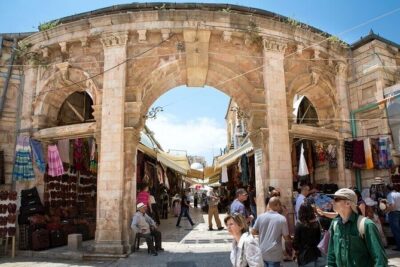
Day 4 begins on the Mount of Olives, with views toward the Old City, followed by the Church of All Nations and the Garden of Gethsemane. Inside the Old City, you pass through the Zion Gate, the Armenian Quarter, the Byzantine Cardo, and the Jewish Quarter before reaching the Western Wall.
You then follow sections of the Via Dolorosa to the Church of the Holy Sepulcher. The markets provide a little breathing room between major religious sites, though the route involves walking on uneven paving and moving through crowded passages.
The day ends at Yad Vashem, Israel’s Holocaust museum. Its subject is serious, and the visit adds modern history to a day otherwise focused on ancient and religious Jerusalem. The museum is closed on Fridays and Saturdays, so the order of the day may need to change.
Day 5 combines Jericho, the Dead Sea area, and Bethlehem. You pass the Inn of the Good Samaritan and stop at the sea-level marker before reaching Jericho, described here as the oldest continuously inhabited city in the world. Mount Temptation rises above the city.
In Bethlehem, you walk across Manger Square to the Church of the Nativity. You see the fourth-century mosaic floor, the traditional place of Jesus’ birth, the Manger, and the altar associated with the Three Wise Men. The nearby Church of St. Catherine and its grotto follow, along with the Milk Grotto and Shepherds’ Fields.
The day is valuable because it links major biblical places with very little planning on your part. It is also a demanding schedule, and Bethlehem involves a border between Israeli and Palestinian-controlled areas, so delays can affect the timing.
Masada, Qumran, and the Dead Sea
Day 6 is the longest day in Israel. You travel south through the Judean Desert to Masada, Herod’s fortified palace complex above the Dead Sea. The cable car saves you from climbing the Snake Path, but the site itself still requires walking in heat and over exposed ground.
At the summit, you see palaces, a bathhouse, a synagogue, Roman barracks, and other remains. Masada is memorable because the ruins sit high above the desert, making the defensive purpose of the site easy to understand.
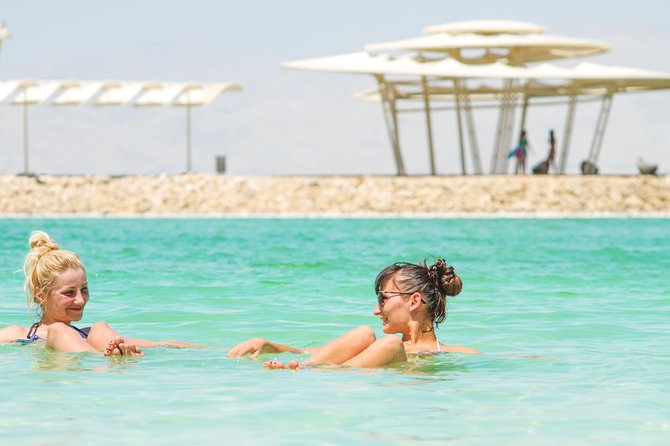
The route continues past Ein Gedi and the Qumran caves, associated with the discovery of the Dead Sea Scrolls. You then reach the Dead Sea for a swim or float in its mineral-heavy water. Follow the usual practical rule: keep the water away from your eyes and any cuts.
After the day’s sightseeing, you are taken to Ben Gurion Airport for a flight to Ramon Airport in Eilat, followed by a transfer to your hotel. There are no domestic flights on Friday, so the plan changes to an overnight in Tel Aviv and a flight to Eilat the next day.
That detail matters. A Friday departure can alter the whole rhythm of the trip, so check the operating day before you book. This is also the point where fatigue begins to build.
More Tel Aviv evenings worth booking:
- Guided Pub Crawl Night Tour at Tel Aviv
★ 5.0 · 85 reviews - Eilat Mountains: Sunset Jeep Adventure to Mount Joash
★ 4.7 · 143 reviews - 8-Night Israel Tour from Tel Aviv: Jerusalem, Dead Sea, Bethlehem, Nazareth, Northern Israel and Petra
★ 4.5 · 11 reviews - Sunset time Ramon Crater Jeep tour, bonfire and stargazing
★ 5.0 · 4 reviews
Petra and the difficult Jordan-to-Egypt transfer
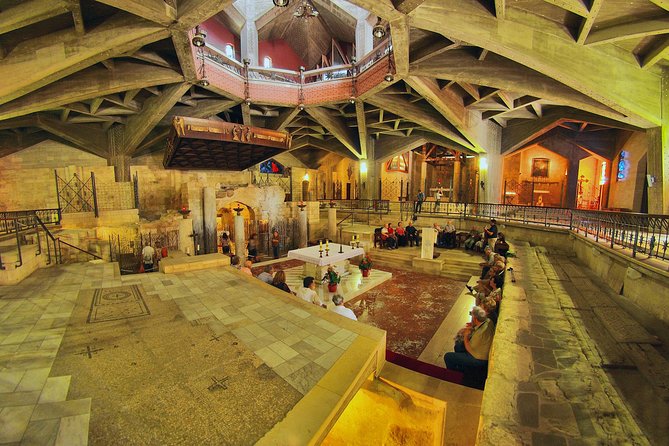
On Day 7, a driver takes you to the Arava border. Assistance is provided during the border process, and a Jordanian driver takes you on the roughly two-hour drive to Petra.
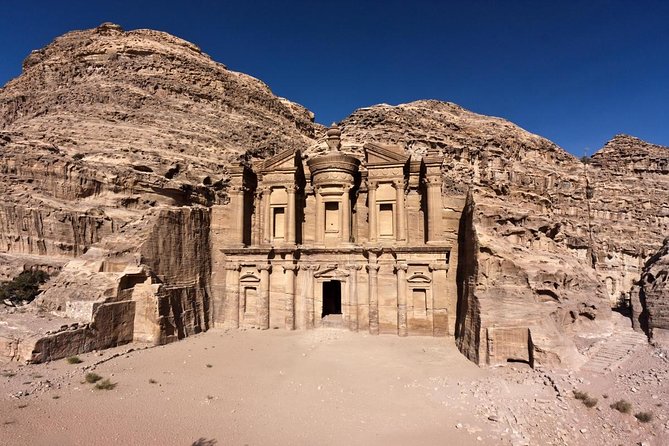
Petra itself is the reward for the long route. You enter through the famous approach to the Treasury, then continue to temples, tombs, caves, and the Roman Theater. The site is much larger than the Treasury photograph suggests, so wear practical shoes and expect substantial walking.
Petra by Night is optional and costs about $15. It is not included, and you should ask your guide about current arrangements rather than assume it fits the schedule.
Day 8 is intentionally lighter in the morning. You can return to Petra independently, walk through the market, or rest at the hotel. At about 5:00 p.m., you head back to the border and Eilat, with a short window to eat or swim before continuing to Egypt.
This sounds efficient on paper, but it is the tour’s weakest link. You may finish a full day at Petra, cross two borders, and then be driven to Mount Sinai for a nighttime ascent. One account describes this transition as especially difficult, with only two people on that part of the trip. Do not treat this as a relaxed transfer.
Mount Sinai and Saint Catherine’s Monastery
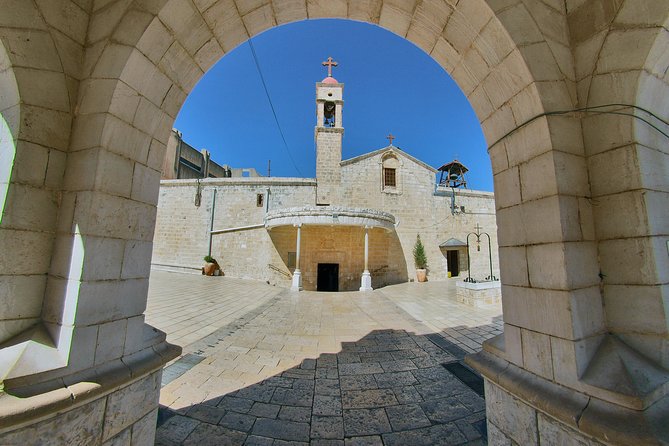
The Sinai section runs through the night and early morning. You climb Mount Sinai in darkness to reach the summit for sunrise, then visit Saint Catherine’s Monastery, a sixth-century church and one of the oldest working monasteries in the world.
The visit includes the Burning Bush, Jethro’s Well, and the monastery’s famous ancient library. Afterward, you drive to Cairo for the night.
You need moderate physical fitness for this part of the journey. The combination of a long transfer, border formalities, little sleep, and a mountain climb is the real test of the itinerary. If you have knee problems, dislike night hikes, or need regular sleep, think carefully before booking the full route.
Giza, Saqqara, and the old capital at Memphis
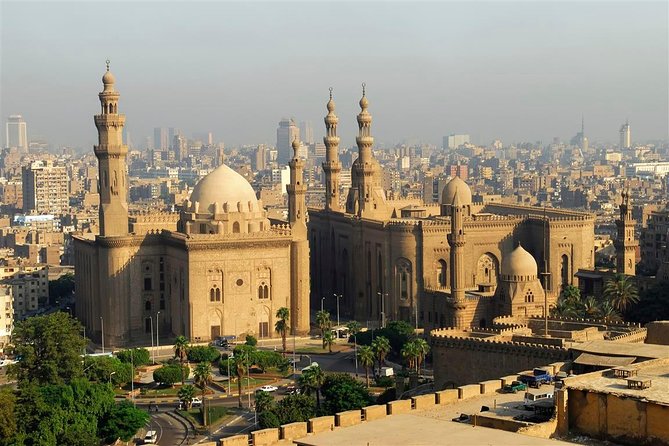
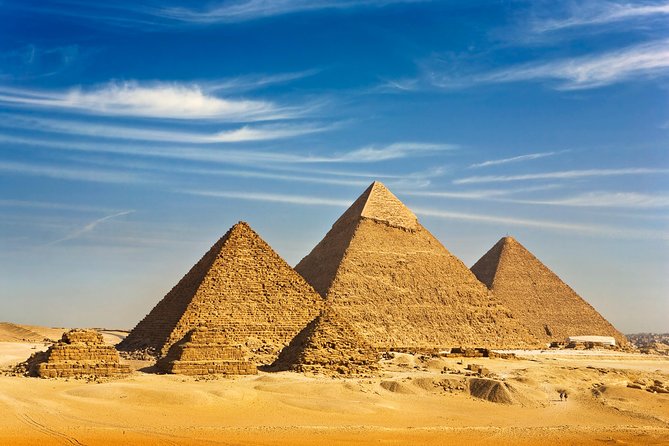
Cairo begins with the Giza Plateau and its great pyramids: Cheops, Chephren, and Mycrenos. You also see the Sphinx and take a short camel ride in the area.
The itinerary then moves to Saqqara, where you visit the Step Pyramid of Djoser and the pyramids of King Titi. Lunch at a local restaurant breaks up the sightseeing before you continue to Memphis and its Open Air Museum, including the statue of Ramses II.
This day gives you more than the standard pyramid stop. Saqqara helps show how Egyptian pyramid building developed, while Memphis adds context about the ancient capital. Entry to the mummy room is not included, so ask about the additional cost if that part matters to you.
Aswan and three nights on the Nile

On Day 11, you fly from Cairo to Aswan and board the cruise ship. After lunch, the first visits are the Aswan High Dam and Philae Temple, followed by dinner and a Nubian show.
The Nile cruise is one of the tour’s strongest practical features. Instead of packing and unpacking for every temple, you use the ship as your base while moving north toward Luxor. The tradeoff is a fixed schedule and limited control over how long you spend at each place.
Day 12 brings the Temple of Kom Ombo, dedicated to Sobek and Haroeris, then Edfu and the Temple of Horus. The ship continues toward Luxor for the night.
On Day 13, you visit the West Bank, including the Theban Necropolis, the Valley of the Kings, and the Temple of Hatshepsut. Three royal tombs are included in the Valley of the Kings visit. You return to the ship for lunch, have a free afternoon, and attend evening entertainment onboard.
Day 14 covers Luxor’s East Bank after checkout. Karnak and Luxor temples provide the final major temple visits before lunch and a flight from Luxor back to Cairo.
Cairo’s museum, Citadel, and free day
Back in Cairo, Day 15 focuses on the Egyptian Museum, the city center, historic churches, the Citadel of Salah El Dien, and the Mosque of Mohamed Ali. It is a useful change from tombs and temples, giving you a look at Cairo’s religious and civic past.
Optional tours, cruises, and shows may be offered through your guide. Treat these as extras and ask for the price before agreeing, since they are not part of the stated inclusions.
Day 16 is free. After such a packed route, this is not wasted time. You can rest, walk around on your own, or recover before the flight home. Day 17 provides the airport transfer to Cairo International Airport.
Who should book this route?
I would recommend this tour to you if you want the main sights of Israel, Jordan, and Egypt in one organized package and you value logistics more than free time. It is especially useful if arranging border crossings, internal flights, hotels, and the Nile cruise yourself feels like too much work.
I would not choose it for a slow cultural trip. The early starts, long drives, 50-person maximum group, border formalities, and Sinai night climb make this a strenuous itinerary. The Jordan-to-Egypt stretch deserves special caution.
The non-refundable booking rule also matters. Since changes and cancellations do not receive a refund, confirm your dates, passport details, visa needs, and fitness level before paying. Children must be accompanied by an adult, and all participants need a current passport.
FAQ
How long is the Israel, Jordan, and Egypt tour?
The trip lasts about 17 days and includes 16 nights in the advertised title. The inclusions specify 15 nights of accommodation, so confirm the exact hotel-night arrangement before booking.
Where does the tour begin and end?
You begin at Ben Gurion Airport in Israel. The tour ends with a drop-off at Cairo International Airport in Egypt.
What meals are included?
The package includes 15 breakfasts, six lunches, and three dinners. Other meals are not listed as included.
Are visas and departure taxes included?
No. The listed price excludes a $130 per person departure tax, a $60 Egypt visa, and a $75 Jordan visa per person.
Is Petra by Night included?
No. Petra by Night costs about $15 and is not included in the tour price. Ask your guide about the current arrangement.
How physically demanding is the tour?
You should have a moderate fitness level. The itinerary includes extensive walking, early starts, long drives, border crossings, cable-car sites, and a nighttime climb of Mount Sinai.
Just added around Tel Aviv
- Private wine tour of Northern Israel★ 5.0 · 4 reviews
- Package VIP Skip Line Services in BGN Airport with Transfer to Tel aviv Hotels★ 5.0 · 3 reviews
- Israel Holy Land Christian Tour Package 7 days – Private Tour Package★ 5.0 · 31 reviews
- VIP Tel Aviv airport Terminal 3 Fast Track Skip Line From plane★ 4.5 · 9 reviews
- Tel Aviv and Jaffa Most Exciting Private Tour★ 4.5 · 13 reviews
- Food & Drink Private Guided Tour in Tel Aviv★ 5.0 · 3 reviews
- Urban Walking & Food Tour in Tel Aviv★ 5.0 · 7 reviews
- Tel Aviv & Jaffa Urban Bike Expedition★ 5.0 · 33 reviews
Multi-Day Israel Tours, compared.
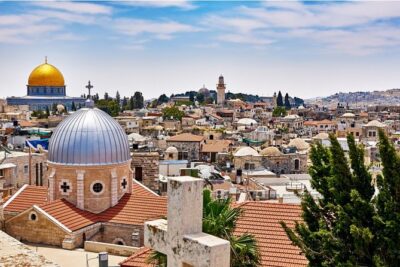
2-Day Best of Israel Tour from Tel Aviv: Jerusalem, Bethlehem and Masada Tour
Read our review →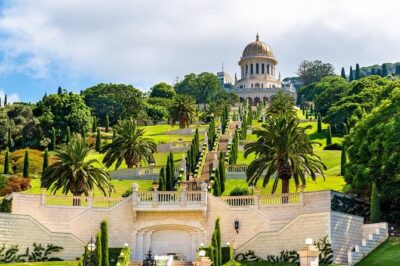
5-Day Best of Israel Tour from Tel Aviv: Jerusalem, Dead Sea, Nazareth, and Masada
Read our review →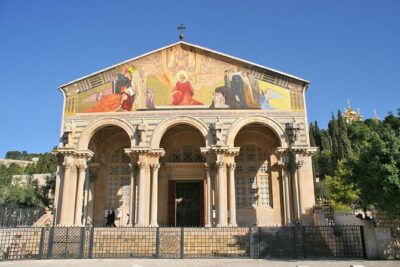
2-Day Best of Israel Tour: Old Jerusalem, Bethlehem, Masada and the Dead Sea
Read our review →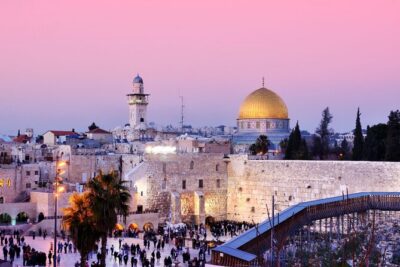
8-Night Israel Tour from Tel Aviv: Jerusalem, Dead Sea, Bethlehem, Nazareth, Northern Israel and Petra
Read our review →
2-Day Northern Israel Tour from Jerusalem: Golan Heights, Nazareth and the Sea of Galilee
Read our review →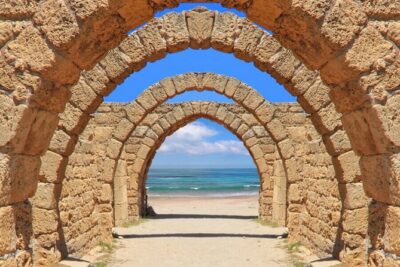
2-Day Israel Tour from Tel Aviv: Acre, Caesarea, Nazareth and the Sea of Galilee
Read our review →Browse the lists this tour appears in